Camerafarm product archive #39721
| Image |
Date |
Product description |
Price |
Buy |
|
02/10
|
Hoya Neutral Density 8x HMC Filter - 82mm Hoya Neutral Density 8x HMC Filter - 82mm

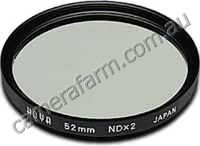 In conditions of extreme light intensity, such as sunshine on snowy mountains or on the beach, or when using a camcorder, ND (Neutral Density) filters are recommended as essential. |
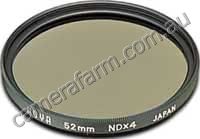 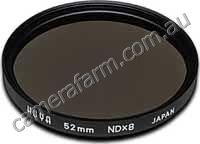 |
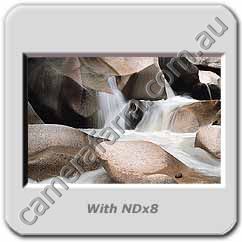 Neutral Density filters are often ignored by photographers, but they have several uses and offer the possibility to achieve otherwise unachievable results. ND filters appear grey and reduce the amount of light reaching the film, they have no affect on color balance. They have four main uses:
- To enable slow shutter speeds to be used, especially with fast films, to record movement in subjects such as waterfalls, clouds, cars, seas etc.
- To decrease depth of field by allowing wider apertures to be used, which helps separate subjects from their background.
- To decrease the effective ISO of high speed film (ie: above ISO400) and allow it to be used outdoors in blight situations.
- To allow cine and video cameras (which have fixed shutter speeds) to film subjects such as snow, sand or other bright scenes which would normally cause over-exposure.
|
NDx2 |
NDx4 |
NDx8 |
Shutter Spped/
Aperture Decrease |
1 Stop |
2 Stops |
3 Stops |
ISO Film Speed
Decrease
i.e. ISO800 |
1/2
ISO400 |
1/4
ISO200 |
1/8
ISO100 |
|
|


|
|
|
02/10
|
Hoya Neutral Density 8x HMC Filter - 77mm Hoya Neutral Density 8x HMC Filter - 77mm

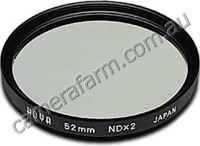 In conditions of extreme light intensity, such as sunshine on snowy mountains or on the beach, or when using a camcorder, ND (Neutral Density) filters are recommended as essential. |
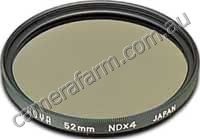 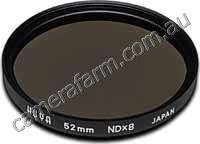 |
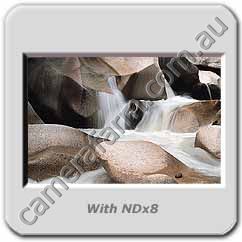 Neutral Density filters are often ignored by photographers, but they have several uses and offer the possibility to achieve otherwise unachievable results. ND filters appear grey and reduce the amount of light reaching the film, they have no affect on color balance. They have four main uses:
- To enable slow shutter speeds to be used, especially with fast films, to record movement in subjects such as waterfalls, clouds, cars, seas etc.
- To decrease depth of field by allowing wider apertures to be used, which helps separate subjects from their background.
- To decrease the effective ISO of high speed film (ie: above ISO400) and allow it to be used outdoors in blight situations.
- To allow cine and video cameras (which have fixed shutter speeds) to film subjects such as snow, sand or other bright scenes which would normally cause over-exposure.
|
NDx2 |
NDx4 |
NDx8 |
Shutter Spped/
Aperture Decrease |
1 Stop |
2 Stops |
3 Stops |
ISO Film Speed
Decrease
i.e. ISO800 |
1/2
ISO400 |
1/4
ISO200 |
1/8
ISO100 |
|
|
|
|
|
02/10
|
Hoya Neutral Density 8x HMC Filter - 72mm Hoya Neutral Density 8x HMC Filter - 72mm

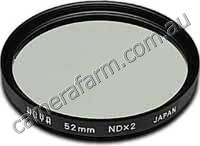 In conditions of extreme light intensity, such as sunshine on snowy mountains or on the beach, or when using a camcorder, ND (Neutral Density) filters are recommended as essential. |
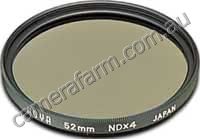 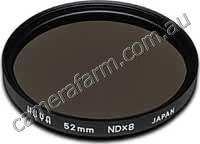 |
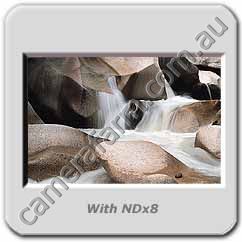 Neutral Density filters are often ignored by photographers, but they have several uses and offer the possibility to achieve otherwise unachievable results. ND filters appear grey and reduce the amount of light reaching the film, they have no affect on color balance. They have four main uses:
- To enable slow shutter speeds to be used, especially with fast films, to record movement in subjects such as waterfalls, clouds, cars, seas etc.
- To decrease depth of field by allowing wider apertures to be used, which helps separate subjects from their background.
- To decrease the effective ISO of high speed film (ie: above ISO400) and allow it to be used outdoors in blight situations.
- To allow cine and video cameras (which have fixed shutter speeds) to film subjects such as snow, sand or other bright scenes which would normally cause over-exposure.
|
NDx2 |
NDx4 |
NDx8 |
Shutter Spped/
Aperture Decrease |
1 Stop |
2 Stops |
3 Stops |
ISO Film Speed
Decrease
i.e. ISO800 |
1/2
ISO400 |
1/4
ISO200 |
1/8
ISO100 |
|
|
|
|
|
02/10
|
Hoya Neutral Density 8x HMC Filter - 67mm Hoya Neutral Density 8x HMC Filter - 67mm

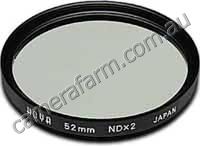 In conditions of extreme light intensity, such as sunshine on snowy mountains or on the beach, or when using a camcorder, ND (Neutral Density) filters are recommended as essential. |
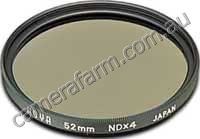 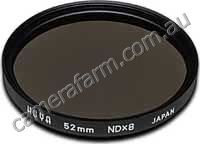 |
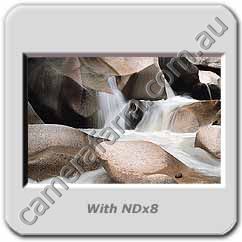 Neutral Density filters are often ignored by photographers, but they have several uses and offer the possibility to achieve otherwise unachievable results. ND filters appear grey and reduce the amount of light reaching the film, they have no affect on color balance. They have four main uses:
- To enable slow shutter speeds to be used, especially with fast films, to record movement in subjects such as waterfalls, clouds, cars, seas etc.
- To decrease depth of field by allowing wider apertures to be used, which helps separate subjects from their background.
- To decrease the effective ISO of high speed film (ie: above ISO400) and allow it to be used outdoors in blight situations.
- To allow cine and video cameras (which have fixed shutter speeds) to film subjects such as snow, sand or other bright scenes which would normally cause over-exposure.
|
NDx2 |
NDx4 |
NDx8 |
Shutter Spped/
Aperture Decrease |
1 Stop |
2 Stops |
3 Stops |
ISO Film Speed
Decrease
i.e. ISO800 |
1/2
ISO400 |
1/4
ISO200 |
1/8
ISO100 |
|
|
|
|
|
02/10
|
Hoya Neutral Density 8x HMC Filter - 62mm Hoya Neutral Density 8x HMC Filter - 62mm

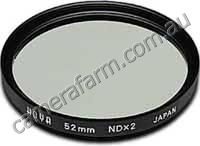 In conditions of extreme light intensity, such as sunshine on snowy mountains or on the beach, or when using a camcorder, ND (Neutral Density) filters are recommended as essential. |
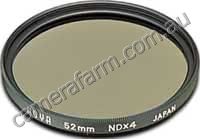 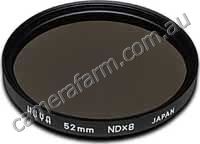 |
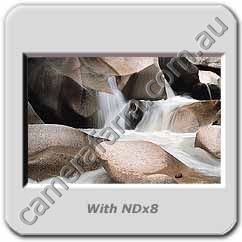 Neutral Density filters are often ignored by photographers, but they have several uses and offer the possibility to achieve otherwise unachievable results. ND filters appear grey and reduce the amount of light reaching the film, they have no affect on color balance. They have four main uses:
- To enable slow shutter speeds to be used, especially with fast films, to record movement in subjects such as waterfalls, clouds, cars, seas etc.
- To decrease depth of field by allowing wider apertures to be used, which helps separate subjects from their background.
- To decrease the effective ISO of high speed film (ie: above ISO400) and allow it to be used outdoors in blight situations.
- To allow cine and video cameras (which have fixed shutter speeds) to film subjects such as snow, sand or other bright scenes which would normally cause over-exposure.
|
NDx2 |
NDx4 |
NDx8 |
Shutter Spped/
Aperture Decrease |
1 Stop |
2 Stops |
3 Stops |
ISO Film Speed
Decrease
i.e. ISO800 |
1/2
ISO400 |
1/4
ISO200 |
1/8
ISO100 |
|
|
|
|
|
02/10
|
Hoya Neutral Density 8x HMC Filter - B60 Hoya Neutral Density 8x HMC Filter - B60

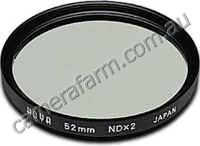 In conditions of extreme light intensity, such as sunshine on snowy mountains or on the beach, or when using a camcorder, ND (Neutral Density) filters are recommended as essential. |
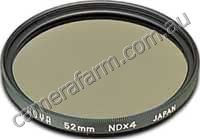 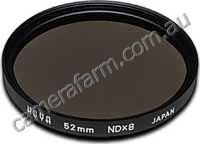 |
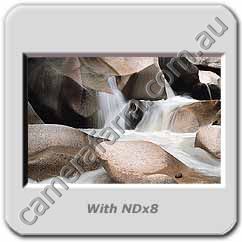 Neutral Density filters are often ignored by photographers, but they have several uses and offer the possibility to achieve otherwise unachievable results. ND filters appear grey and reduce the amount of light reaching the film, they have no affect on color balance. They have four main uses:
- To enable slow shutter speeds to be used, especially with fast films, to record movement in subjects such as waterfalls, clouds, cars, seas etc.
- To decrease depth of field by allowing wider apertures to be used, which helps separate subjects from their background.
- To decrease the effective ISO of high speed film (ie: above ISO400) and allow it to be used outdoors in blight situations.
- To allow cine and video cameras (which have fixed shutter speeds) to film subjects such as snow, sand or other bright scenes which would normally cause over-exposure.
|
NDx2 |
NDx4 |
NDx8 |
Shutter Spped/
Aperture Decrease |
1 Stop |
2 Stops |
3 Stops |
ISO Film Speed
Decrease
i.e. ISO800 |
1/2
ISO400 |
1/4
ISO200 |
1/8
ISO100 |
|
|
|
|
|
02/10
|
Hoya Neutral Density 8x HMC Filter - 58mm Hoya Neutral Density 8x HMC Filter - 58mm

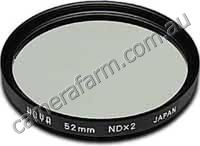 In conditions of extreme light intensity, such as sunshine on snowy mountains or on the beach, or when using a camcorder, ND (Neutral Density) filters are recommended as essential. |
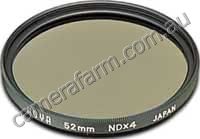 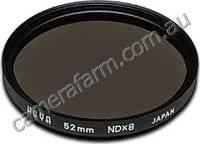 |
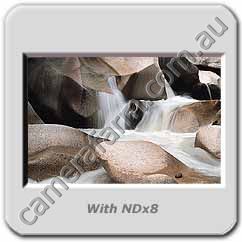 Neutral Density filters are often ignored by photographers, but they have several uses and offer the possibility to achieve otherwise unachievable results. ND filters appear grey and reduce the amount of light reaching the film, they have no affect on color balance. They have four main uses:
- To enable slow shutter speeds to be used, especially with fast films, to record movement in subjects such as waterfalls, clouds, cars, seas etc.
- To decrease depth of field by allowing wider apertures to be used, which helps separate subjects from their background.
- To decrease the effective ISO of high speed film (ie: above ISO400) and allow it to be used outdoors in blight situations.
- To allow cine and video cameras (which have fixed shutter speeds) to film subjects such as snow, sand or other bright scenes which would normally cause over-exposure.
|
NDx2 |
NDx4 |
NDx8 |
Shutter Spped/
Aperture Decrease |
1 Stop |
2 Stops |
3 Stops |
ISO Film Speed
Decrease
i.e. ISO800 |
1/2
ISO400 |
1/4
ISO200 |
1/8
ISO100 |
|
|
|
|
|
02/10
|
Hoya Neutral Density 8x HMC Filter - 55mm Hoya Neutral Density 8x HMC Filter - 55mm
|
|
|
|
02/10
|
Hoya Neutral Density 8x HMC Filter - 52mm Hoya Neutral Density 8x HMC Filter - 52mm

 In conditions of extreme light intensity, such as sunshine on snowy mountains or on the beach, or when using a camcorder, ND (Neutral Density) filters are recommended as essential. |
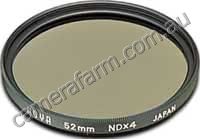 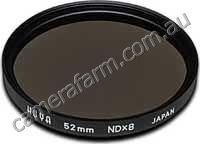 |
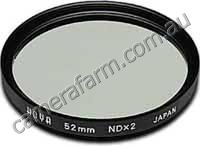
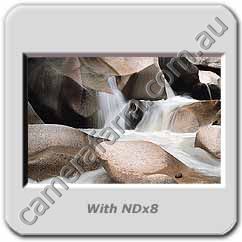 Neutral Density filters are often ignored by photographers, but they have several uses and offer the possibility to achieve otherwise unachievable results. ND filters appear grey and reduce the amount of light reaching the film, they have no affect on color balance. They have four main uses:
- To enable slow shutter speeds to be used, especially with fast films, to record movement in subjects such as waterfalls, clouds, cars, seas etc.
- To decrease depth of field by allowing wider apertures to be used, which helps separate subjects from their background.
- To decrease the effective ISO of high speed film (ie: above ISO400) and allow it to be used outdoors in blight situations.
- To allow cine and video cameras (which have fixed shutter speeds) to film subjects such as snow, sand or other bright scenes which would normally cause over-exposure.
|
NDx2 |
NDx4 |
NDx8 |
Shutter Spped/
Aperture Decrease |
1 Stop |
2 Stops |
3 Stops |
ISO Film Speed
Decrease
i.e. ISO800 |
1/2
ISO400 |
1/4
ISO200 |
1/8
ISO100 |
|
|
|
|
|
02/10
|
Hoya Neutral Density 8x HMC Filter - 49mm Hoya Neutral Density 8x HMC Filter - 49mm

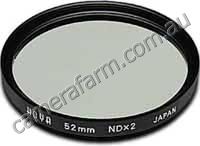 In conditions of extreme light intensity, such as sunshine on snowy mountains or on the beach, or when using a camcorder, ND (Neutral Density) filters are recommended as essential. |
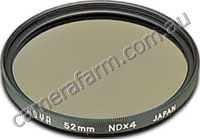 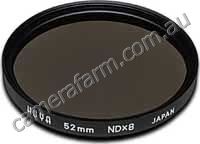 |
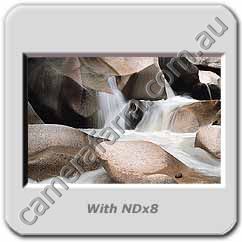 Neutral Density filters are often ignored by photographers, but they have several uses and offer the possibility to achieve otherwise unachievable results. ND filters appear grey and reduce the amount of light reaching the film, they have no affect on color balance. They have four main uses:
- To enable slow shutter speeds to be used, especially with fast films, to record movement in subjects such as waterfalls, clouds, cars, seas etc.
- To decrease depth of field by allowing wider apertures to be used, which helps separate subjects from their background.
- To decrease the effective ISO of high speed film (ie: above ISO400) and allow it to be used outdoors in blight situations.
- To allow cine and video cameras (which have fixed shutter speeds) to film subjects such as snow, sand or other bright scenes which would normally cause over-exposure.
|
NDx2 |
NDx4 |
NDx8 |
Shutter Spped/
Aperture Decrease |
1 Stop |
2 Stops |
3 Stops |
ISO Film Speed
Decrease
i.e. ISO800 |
1/2
ISO400 |
1/4
ISO200 |
1/8
ISO100 |
|
|
|
|
|
02/10
|
Hoya Neutral Density 8x HMC Filter - 46mm Hoya Neutral Density 8x HMC Filter - 46mm

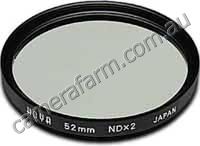 In conditions of extreme light intensity, such as sunshine on snowy mountains or on the beach, or when using a camcorder, ND (Neutral Density) filters are recommended as essential. |
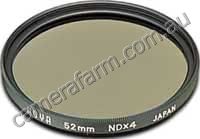 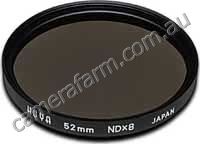 |
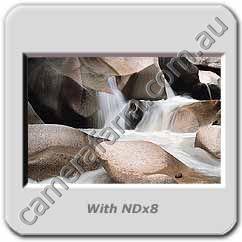 Neutral Density filters are often ignored by photographers, but they have several uses and offer the possibility to achieve otherwise unachievable results. ND filters appear grey and reduce the amount of light reaching the film, they have no affect on color balance. They have four main uses:
- To enable slow shutter speeds to be used, especially with fast films, to record movement in subjects such as waterfalls, clouds, cars, seas etc.
- To decrease depth of field by allowing wider apertures to be used, which helps separate subjects from their background.
- To decrease the effective ISO of high speed film (ie: above ISO400) and allow it to be used outdoors in blight situations.
- To allow cine and video cameras (which have fixed shutter speeds) to film subjects such as snow, sand or other bright scenes which would normally cause over-exposure.
|
NDx2 |
NDx4 |
NDx8 |
Shutter Spped/
Aperture Decrease |
1 Stop |
2 Stops |
3 Stops |
ISO Film Speed
Decrease
i.e. ISO800 |
1/2
ISO400 |
1/4
ISO200 |
1/8
ISO100 |
|
|
|
|
|
02/10
|
Hoya Neutral Density 8x HMC Filter - 37mm Hoya Neutral Density 8x HMC Filter - 37mm

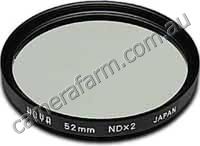 In conditions of extreme light intensity, such as sunshine on snowy mountains or on the beach, or when using a camcorder, ND (Neutral Density) filters are recommended as essential. |
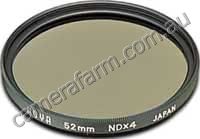 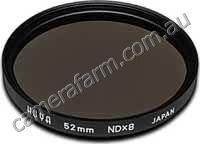 |
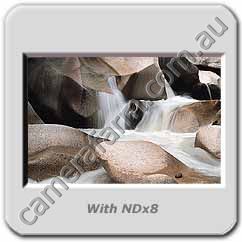 Neutral Density filters are often ignored by photographers, but they have several uses and offer the possibility to achieve otherwise unachievable results. ND filters appear grey and reduce the amount of light reaching the film, they have no affect on color balance. They have four main uses:
- To enable slow shutter speeds to be used, especially with fast films, to record movement in subjects such as waterfalls, clouds, cars, seas etc.
- To decrease depth of field by allowing wider apertures to be used, which helps separate subjects from their background.
- To decrease the effective ISO of high speed film (ie: above ISO400) and allow it to be used outdoors in blight situations.
- To allow cine and video cameras (which have fixed shutter speeds) to film subjects such as snow, sand or other bright scenes which would normally cause over-exposure.
|
NDx2 |
NDx4 |
NDx8 |
Shutter Spped/
Aperture Decrease |
1 Stop |
2 Stops |
3 Stops |
ISO Film Speed
Decrease
i.e. ISO800 |
1/2
ISO400 |
1/4
ISO200 |
1/8
ISO100 |
|
|
|
|
|
02/10
|
Hoya Neutral Density 8x HMC Filter - 27mm Hoya Neutral Density 8x HMC Filter - 27mm

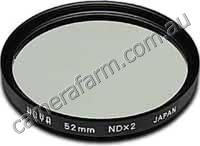 In conditions of extreme light intensity, such as sunshine on snowy mountains or on the beach, or when using a camcorder, ND (Neutral Density) filters are recommended as essential. |
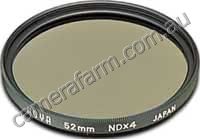 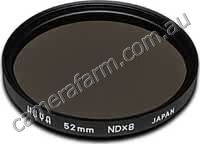 |
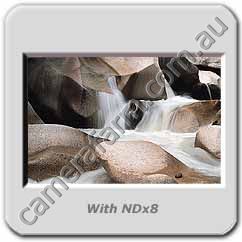 Neutral Density filters are often ignored by photographers, but they have several uses and offer the possibility to achieve otherwise unachievable results. ND filters appear grey and reduce the amount of light reaching the film, they have no affect on color balance. They have four main uses:
- To enable slow shutter speeds to be used, especially with fast films, to record movement in subjects such as waterfalls, clouds, cars, seas etc.
- To decrease depth of field by allowing wider apertures to be used, which helps separate subjects from their background.
- To decrease the effective ISO of high speed film (ie: above ISO400) and allow it to be used outdoors in blight situations.
- To allow cine and video cameras (which have fixed shutter speeds) to film subjects such as snow, sand or other bright scenes which would normally cause over-exposure.
|
NDx2 |
NDx4 |
NDx8 |
Shutter Spped/
Aperture Decrease |
1 Stop |
2 Stops |
3 Stops |
ISO Film Speed
Decrease
i.e. ISO800 |
1/2
ISO400 |
1/4
ISO200 |
1/8
ISO100 |
|
|
|
|
|
02/10
|
Hoya Colour Conversion Filter 82C, HMC - 82mm

These are light balancing filters used to increase the color temperature slightly for a cooler (bluer) tone.
Corrects the tendency toward reddish tones. For example, select the 82B when using tungsten Type B color film (3200K) with ordinary household 100W electric bulbs (2900K). These series filters are also used to prevent the reddish tones in early morning or late evening light for natural skin tones. These filters can be used together, but do not mix 81 and 82 series filters since they cancel out each other. |

These popular filters are renowned for their ability to minimise reflection at the filter surfaces which reduces flare and ghosting. The result is an average light transmission of over 97%, giving sharp contrast and well balanced color. HOYA HMC filters are recommended for enhancing the performance of today's multicoated lenses.
|
|
|
|
|
02/10
|
Hoya Colour Conversion Filter 82C, HMC - 77mm

These are light balancing filters used to increase the color temperature slightly for a cooler (bluer) tone.
Corrects the tendency toward reddish tones. For example, select the 82B when using tungsten Type B color film (3200K) with ordinary household 100W electric bulbs (2900K). These series filters are also used to prevent the reddish tones in early morning or late evening light for natural skin tones. These filters can be used together, but do not mix 81 and 82 series filters since they cancel out each other. |

These popular filters are renowned for their ability to minimise reflection at the filter surfaces which reduces flare and ghosting. The result is an average light transmission of over 97%, giving sharp contrast and well balanced color. HOYA HMC filters are recommended for enhancing the performance of today's multicoated lenses.
|
|
|
|
|
02/10
|
Hoya Colour Conversion Filter 82C, HMC - 72mm

These are light balancing filters used to increase the color temperature slightly for a cooler (bluer) tone.
Corrects the tendency toward reddish tones. For example, select the 82B when using tungsten Type B color film (3200K) with ordinary household 100W electric bulbs (2900K). These series filters are also used to prevent the reddish tones in early morning or late evening light for natural skin tones. These filters can be used together, but do not mix 81 and 82 series filters since they cancel out each other. |

These popular filters are renowned for their ability to minimise reflection at the filter surfaces which reduces flare and ghosting. The result is an average light transmission of over 97%, giving sharp contrast and well balanced color. HOYA HMC filters are recommended for enhancing the performance of today's multicoated lenses.
|
|
|
|
|
02/10
|
Hoya Colour Conversion Filter 82C, HMC - 67mm

These are light balancing filters used to increase the color temperature slightly for a cooler (bluer) tone.
Corrects the tendency toward reddish tones. For example, select the 82B when using tungsten Type B color film (3200K) with ordinary household 100W electric bulbs (2900K). These series filters are also used to prevent the reddish tones in early morning or late evening light for natural skin tones. These filters can be used together, but do not mix 81 and 82 series filters since they cancel out each other. |

These popular filters are renowned for their ability to minimise reflection at the filter surfaces which reduces flare and ghosting. The result is an average light transmission of over 97%, giving sharp contrast and well balanced color. HOYA HMC filters are recommended for enhancing the performance of today's multicoated lenses.
|
|
|
|
|
02/10
|
Hoya Colour Conversion Filter 82C, HMC - 62mm

These are light balancing filters used to increase the color temperature slightly for a cooler (bluer) tone.
Corrects the tendency toward reddish tones. For example, select the 82B when using tungsten Type B color film (3200K) with ordinary household 100W electric bulbs (2900K). These series filters are also used to prevent the reddish tones in early morning or late evening light for natural skin tones. These filters can be used together, but do not mix 81 and 82 series filters since they cancel out each other. |

These popular filters are renowned for their ability to minimise reflection at the filter surfaces which reduces flare and ghosting. The result is an average light transmission of over 97%, giving sharp contrast and well balanced color. HOYA HMC filters are recommended for enhancing the performance of today's multicoated lenses.
|
|
|
|
|
02/10
|
Hoya Colour Conversion Filter 82C, HMC - Bayonet 60 (newer/current Hasselblad lenses)

These are light balancing filters used to increase the color temperature slightly for a cooler (bluer) tone.
Corrects the tendency toward reddish tones. For example, select the 82B when using tungsten Type B color film (3200K) with ordinary household 100W electric bulbs (2900K). These series filters are also used to prevent the reddish tones in early morning or late evening light for natural skin tones. These filters can be used together, but do not mix 81 and 82 series filters since they cancel out each other. |

These popular filters are renowned for their ability to minimise reflection at the filter surfaces which reduces flare and ghosting. The result is an average light transmission of over 97%, giving sharp contrast and well balanced color. HOYA HMC filters are recommended for enhancing the performance of today's multicoated lenses.
|
|
|
|
|
02/10
|
Hoya Colour Conversion Filter 82C, HMC - 58mm

These are light balancing filters used to increase the color temperature slightly for a cooler (bluer) tone.
Corrects the tendency toward reddish tones. For example, select the 82B when using tungsten Type B color film (3200K) with ordinary household 100W electric bulbs (2900K). These series filters are also used to prevent the reddish tones in early morning or late evening light for natural skin tones. These filters can be used together, but do not mix 81 and 82 series filters since they cancel out each other. |

These popular filters are renowned for their ability to minimise reflection at the filter surfaces which reduces flare and ghosting. The result is an average light transmission of over 97%, giving sharp contrast and well balanced color. HOYA HMC filters are recommended for enhancing the performance of today's multicoated lenses.
|
|
|
|
|
02/10
|
Hoya Colour Conversion Filter 82C, HMC - 55mm

These are light balancing filters used to increase the color temperature slightly for a cooler (bluer) tone.
Corrects the tendency toward reddish tones. For example, select the 82B when using tungsten Type B color film (3200K) with ordinary household 100W electric bulbs (2900K). These series filters are also used to prevent the reddish tones in early morning or late evening light for natural skin tones. These filters can be used together, but do not mix 81 and 82 series filters since they cancel out each other. |

These popular filters are renowned for their ability to minimise reflection at the filter surfaces which reduces flare and ghosting. The result is an average light transmission of over 97%, giving sharp contrast and well balanced color. HOYA HMC filters are recommended for enhancing the performance of today's multicoated lenses.
|
|
|
|
|
02/10
|
Hoya Colour Conversion Filter 82C, HMC - 52mm

These are light balancing filters used to increase the color temperature slightly for a cooler (bluer) tone.
Corrects the tendency toward reddish tones. For example, select the 82B when using tungsten Type B color film (3200K) with ordinary household 100W electric bulbs (2900K). These series filters are also used to prevent the reddish tones in early morning or late evening light for natural skin tones. These filters can be used together, but do not mix 81 and 82 series filters since they cancel out each other. |

These popular filters are renowned for their ability to minimise reflection at the filter surfaces which reduces flare and ghosting. The result is an average light transmission of over 97%, giving sharp contrast and well balanced color. HOYA HMC filters are recommended for enhancing the performance of today's multicoated lenses.
|
|
|
|
|
02/10
|
Hoya Colour Conversion Filter 82C, HMC - 49mm

These are light balancing filters used to increase the color temperature slightly for a cooler (bluer) tone.
Corrects the tendency toward reddish tones. For example, select the 82B when using tungsten Type B color film (3200K) with ordinary household 100W electric bulbs (2900K). These series filters are also used to prevent the reddish tones in early morning or late evening light for natural skin tones. These filters can be used together, but do not mix 81 and 82 series filters since they cancel out each other. |

These popular filters are renowned for their ability to minimise reflection at the filter surfaces which reduces flare and ghosting. The result is an average light transmission of over 97%, giving sharp contrast and well balanced color. HOYA HMC filters are recommended for enhancing the performance of today's multicoated lenses.
|
|
|
|
|
02/10
|
Hoya Neutral Density 4x HMC Filter - 82mm Hoya Neutral Density 4x HMC Filter - 82mm

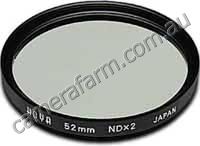 In conditions of extreme light intensity, such as sunshine on snowy mountains or on the beach, or when using a camcorder, ND (Neutral Density) filters are recommended as essential. |
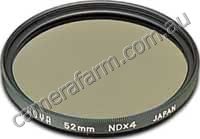 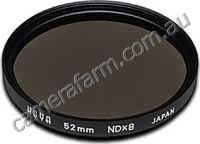 |
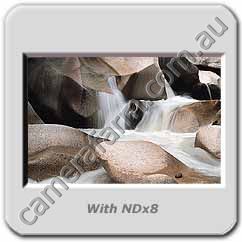 Neutral Density filters are often ignored by photographers, but they have several uses and offer the possibility to achieve otherwise unachievable results. ND filters appear grey and reduce the amount of light reaching the film, they have no affect on color balance. They have four main uses:
- To enable slow shutter speeds to be used, especially with fast films, to record movement in subjects such as waterfalls, clouds, cars, seas etc.
- To decrease depth of field by allowing wider apertures to be used, which helps separate subjects from their background.
- To decrease the effective ISO of high speed film (ie: above ISO400) and allow it to be used outdoors in blight situations.
- To allow cine and video cameras (which have fixed shutter speeds) to film subjects such as snow, sand or other bright scenes which would normally cause over-exposure.
|
NDx2 |
NDx4 |
NDx8 |
Shutter Spped/
Aperture Decrease |
1 Stop |
2 Stops |
3 Stops |
ISO Film Speed
Decrease
i.e. ISO800 |
1/2
ISO400 |
1/4
ISO200 |
1/8
ISO100 |
|
|
|
|
|
02/10
|
Hoya Neutral Density 4x HMC Filter - 77mm Hoya Neutral Density 4x HMC Filter - 77mm

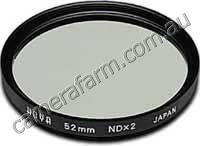 In conditions of extreme light intensity, such as sunshine on snowy mountains or on the beach, or when using a camcorder, ND (Neutral Density) filters are recommended as essential. |
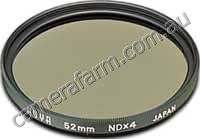 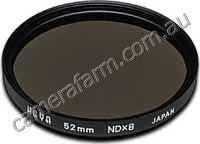 |
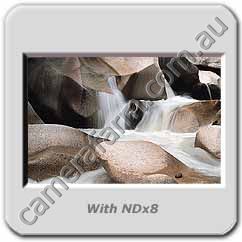 Neutral Density filters are often ignored by photographers, but they have several uses and offer the possibility to achieve otherwise unachievable results. ND filters appear grey and reduce the amount of light reaching the film, they have no affect on color balance. They have four main uses:
- To enable slow shutter speeds to be used, especially with fast films, to record movement in subjects such as waterfalls, clouds, cars, seas etc.
- To decrease depth of field by allowing wider apertures to be used, which helps separate subjects from their background.
- To decrease the effective ISO of high speed film (ie: above ISO400) and allow it to be used outdoors in blight situations.
- To allow cine and video cameras (which have fixed shutter speeds) to film subjects such as snow, sand or other bright scenes which would normally cause over-exposure.
|
NDx2 |
NDx4 |
NDx8 |
Shutter Spped/
Aperture Decrease |
1 Stop |
2 Stops |
3 Stops |
ISO Film Speed
Decrease
i.e. ISO800 |
1/2
ISO400 |
1/4
ISO200 |
1/8
ISO100 |
|
|
|
|
|
02/10
|
Hoya Neutral Density 4x HMC Filter - 72mm Hoya Neutral Density 4x HMC Filter - 72mm

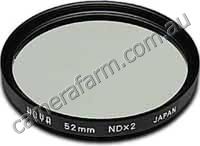 In conditions of extreme light intensity, such as sunshine on snowy mountains or on the beach, or when using a camcorder, ND (Neutral Density) filters are recommended as essential. |
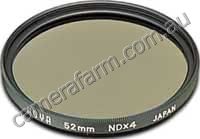 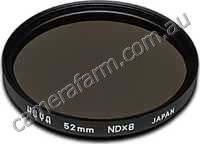 |
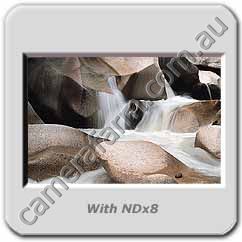 Neutral Density filters are often ignored by photographers, but they have several uses and offer the possibility to achieve otherwise unachievable results. ND filters appear grey and reduce the amount of light reaching the film, they have no affect on color balance. They have four main uses:
- To enable slow shutter speeds to be used, especially with fast films, to record movement in subjects such as waterfalls, clouds, cars, seas etc.
- To decrease depth of field by allowing wider apertures to be used, which helps separate subjects from their background.
- To decrease the effective ISO of high speed film (ie: above ISO400) and allow it to be used outdoors in blight situations.
- To allow cine and video cameras (which have fixed shutter speeds) to film subjects such as snow, sand or other bright scenes which would normally cause over-exposure.
|
NDx2 |
NDx4 |
NDx8 |
Shutter Spped/
Aperture Decrease |
1 Stop |
2 Stops |
3 Stops |
ISO Film Speed
Decrease
i.e. ISO800 |
1/2
ISO400 |
1/4
ISO200 |
1/8
ISO100 |
|
|
|
|
|
02/10
|
Hoya Colour Conversion Filter 82C, HMC - 46mm

These are light balancing filters used to increase the color temperature slightly for a cooler (bluer) tone.
Corrects the tendency toward reddish tones. For example, select the 82B when using tungsten Type B color film (3200K) with ordinary household 100W electric bulbs (2900K). These series filters are also used to prevent the reddish tones in early morning or late evening light for natural skin tones. These filters can be used together, but do not mix 81 and 82 series filters since they cancel out each other. |

These popular filters are renowned for their ability to minimise reflection at the filter surfaces which reduces flare and ghosting. The result is an average light transmission of over 97%, giving sharp contrast and well balanced color. HOYA HMC filters are recommended for enhancing the performance of today's multicoated lenses.
|
|
|
|
|
02/10
|
Hoya Neutral Density 4x HMC Filter - 67mm Hoya Neutral Density 4x HMC Filter - 67mm

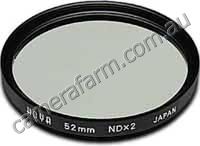 In conditions of extreme light intensity, such as sunshine on snowy mountains or on the beach, or when using a camcorder, ND (Neutral Density) filters are recommended as essential. |
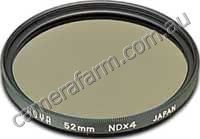 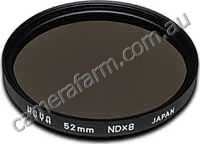 |
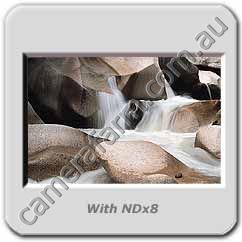 Neutral Density filters are often ignored by photographers, but they have several uses and offer the possibility to achieve otherwise unachievable results. ND filters appear grey and reduce the amount of light reaching the film, they have no affect on color balance. They have four main uses:
- To enable slow shutter speeds to be used, especially with fast films, to record movement in subjects such as waterfalls, clouds, cars, seas etc.
- To decrease depth of field by allowing wider apertures to be used, which helps separate subjects from their background.
- To decrease the effective ISO of high speed film (ie: above ISO400) and allow it to be used outdoors in blight situations.
- To allow cine and video cameras (which have fixed shutter speeds) to film subjects such as snow, sand or other bright scenes which would normally cause over-exposure.
|
NDx2 |
NDx4 |
NDx8 |
Shutter Spped/
Aperture Decrease |
1 Stop |
2 Stops |
3 Stops |
ISO Film Speed
Decrease
i.e. ISO800 |
1/2
ISO400 |
1/4
ISO200 |
1/8
ISO100 |
|
|
|
|
|
02/10
|
Hoya Neutral Density 4x HMC Filter - 62mm Hoya Neutral Density 4x HMC Filter - 62mm

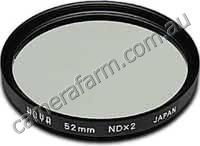 In conditions of extreme light intensity, such as sunshine on snowy mountains or on the beach, or when using a camcorder, ND (Neutral Density) filters are recommended as essential. |
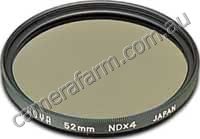 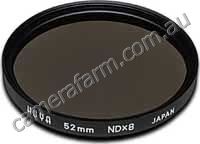 |
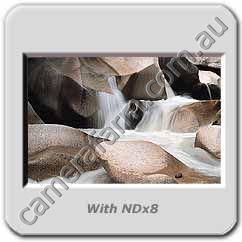 Neutral Density filters are often ignored by photographers, but they have several uses and offer the possibility to achieve otherwise unachievable results. ND filters appear grey and reduce the amount of light reaching the film, they have no affect on color balance. They have four main uses:
- To enable slow shutter speeds to be used, especially with fast films, to record movement in subjects such as waterfalls, clouds, cars, seas etc.
- To decrease depth of field by allowing wider apertures to be used, which helps separate subjects from their background.
- To decrease the effective ISO of high speed film (ie: above ISO400) and allow it to be used outdoors in blight situations.
- To allow cine and video cameras (which have fixed shutter speeds) to film subjects such as snow, sand or other bright scenes which would normally cause over-exposure.
|
NDx2 |
NDx4 |
NDx8 |
Shutter Spped/
Aperture Decrease |
1 Stop |
2 Stops |
3 Stops |
ISO Film Speed
Decrease
i.e. ISO800 |
1/2
ISO400 |
1/4
ISO200 |
1/8
ISO100 |
|
|
|
|
|
02/10
|
Hoya Neutral Density 4x HMC Filter - B60 Hoya Neutral Density 4x HMC Filter - B60

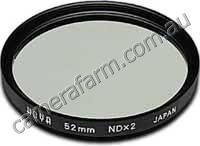 In conditions of extreme light intensity, such as sunshine on snowy mountains or on the beach, or when using a camcorder, ND (Neutral Density) filters are recommended as essential. |
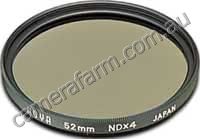 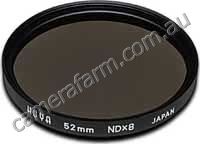 |
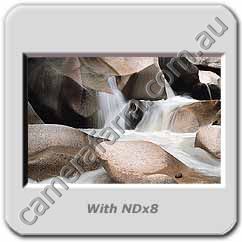 Neutral Density filters are often ignored by photographers, but they have several uses and offer the possibility to achieve otherwise unachievable results. ND filters appear grey and reduce the amount of light reaching the film, they have no affect on color balance. They have four main uses:
- To enable slow shutter speeds to be used, especially with fast films, to record movement in subjects such as waterfalls, clouds, cars, seas etc.
- To decrease depth of field by allowing wider apertures to be used, which helps separate subjects from their background.
- To decrease the effective ISO of high speed film (ie: above ISO400) and allow it to be used outdoors in blight situations.
- To allow cine and video cameras (which have fixed shutter speeds) to film subjects such as snow, sand or other bright scenes which would normally cause over-exposure.
|
NDx2 |
NDx4 |
NDx8 |
Shutter Spped/
Aperture Decrease |
1 Stop |
2 Stops |
3 Stops |
ISO Film Speed
Decrease
i.e. ISO800 |
1/2
ISO400 |
1/4
ISO200 |
1/8
ISO100 |
|
|
|
|
|
02/10
|
Hoya Neutral Density 4x HMC Filter - 58mm Hoya Neutral Density 4x HMC Filter - 58mm

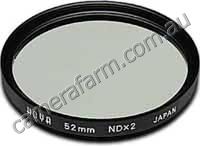 In conditions of extreme light intensity, such as sunshine on snowy mountains or on the beach, or when using a camcorder, ND (Neutral Density) filters are recommended as essential. |
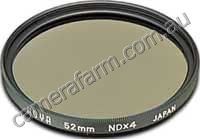 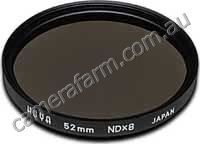 |
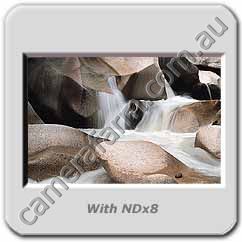 Neutral Density filters are often ignored by photographers, but they have several uses and offer the possibility to achieve otherwise unachievable results. ND filters appear grey and reduce the amount of light reaching the film, they have no affect on color balance. They have four main uses:
- To enable slow shutter speeds to be used, especially with fast films, to record movement in subjects such as waterfalls, clouds, cars, seas etc.
- To decrease depth of field by allowing wider apertures to be used, which helps separate subjects from their background.
- To decrease the effective ISO of high speed film (ie: above ISO400) and allow it to be used outdoors in blight situations.
- To allow cine and video cameras (which have fixed shutter speeds) to film subjects such as snow, sand or other bright scenes which would normally cause over-exposure.
|
NDx2 |
NDx4 |
NDx8 |
Shutter Spped/
Aperture Decrease |
1 Stop |
2 Stops |
3 Stops |
ISO Film Speed
Decrease
i.e. ISO800 |
1/2
ISO400 |
1/4
ISO200 |
1/8
ISO100 |
|
|
|
|
|
02/10
|
Hoya Neutral Density 4x HMC Filter - 55mm Hoya Neutral Density 4x HMC Filter - 55mm

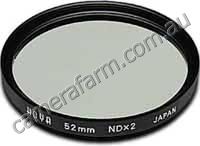 In conditions of extreme light intensity, such as sunshine on snowy mountains or on the beach, or when using a camcorder, ND (Neutral Density) filters are recommended as essential. |
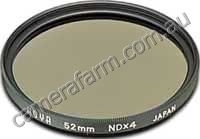 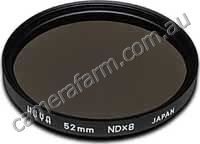 |
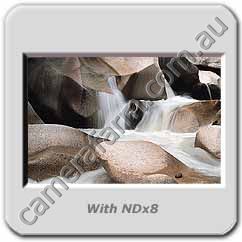 Neutral Density filters are often ignored by photographers, but they have several uses and offer the possibility to achieve otherwise unachievable results. ND filters appear grey and reduce the amount of light reaching the film, they have no affect on color balance. They have four main uses:
- To enable slow shutter speeds to be used, especially with fast films, to record movement in subjects such as waterfalls, clouds, cars, seas etc.
- To decrease depth of field by allowing wider apertures to be used, which helps separate subjects from their background.
- To decrease the effective ISO of high speed film (ie: above ISO400) and allow it to be used outdoors in blight situations.
- To allow cine and video cameras (which have fixed shutter speeds) to film subjects such as snow, sand or other bright scenes which would normally cause over-exposure.
|
NDx2 |
NDx4 |
NDx8 |
Shutter Spped/
Aperture Decrease |
1 Stop |
2 Stops |
3 Stops |
ISO Film Speed
Decrease
i.e. ISO800 |
1/2
ISO400 |
1/4
ISO200 |
1/8
ISO100 |
|
|
|
|
|
02/10
|
Hoya Neutral Density 4x HMC Filter - 52mm Hoya Neutral Density 4x HMC Filter - 52mm

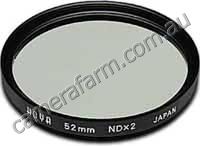 In conditions of extreme light intensity, such as sunshine on snowy mountains or on the beach, or when using a camcorder, ND (Neutral Density) filters are recommended as essential. |
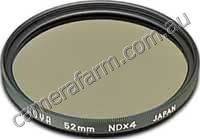 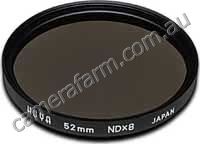 |
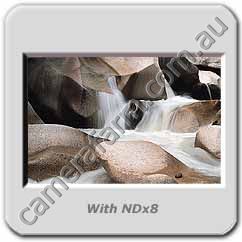 Neutral Density filters are often ignored by photographers, but they have several uses and offer the possibility to achieve otherwise unachievable results. ND filters appear grey and reduce the amount of light reaching the film, they have no affect on color balance. They have four main uses:
- To enable slow shutter speeds to be used, especially with fast films, to record movement in subjects such as waterfalls, clouds, cars, seas etc.
- To decrease depth of field by allowing wider apertures to be used, which helps separate subjects from their background.
- To decrease the effective ISO of high speed film (ie: above ISO400) and allow it to be used outdoors in blight situations.
- To allow cine and video cameras (which have fixed shutter speeds) to film subjects such as snow, sand or other bright scenes which would normally cause over-exposure.
|
NDx2 |
NDx4 |
NDx8 |
Shutter Spped/
Aperture Decrease |
1 Stop |
2 Stops |
3 Stops |
ISO Film Speed
Decrease
i.e. ISO800 |
1/2
ISO400 |
1/4
ISO200 |
1/8
ISO100 |
|
|
|
|
|
02/10
|
Hoya Neutral Density 4x HMC Filter - 49mm Hoya Neutral Density 4x HMC Filter - 49mm

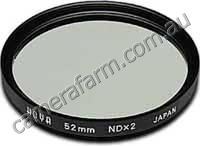 In conditions of extreme light intensity, such as sunshine on snowy mountains or on the beach, or when using a camcorder, ND (Neutral Density) filters are recommended as essential. |
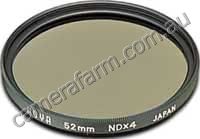 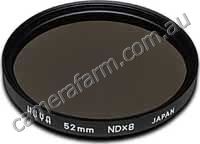 |
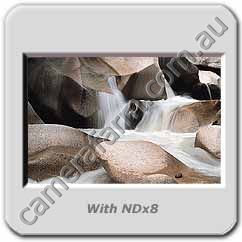 Neutral Density filters are often ignored by photographers, but they have several uses and offer the possibility to achieve otherwise unachievable results. ND filters appear grey and reduce the amount of light reaching the film, they have no affect on color balance. They have four main uses:
- To enable slow shutter speeds to be used, especially with fast films, to record movement in subjects such as waterfalls, clouds, cars, seas etc.
- To decrease depth of field by allowing wider apertures to be used, which helps separate subjects from their background.
- To decrease the effective ISO of high speed film (ie: above ISO400) and allow it to be used outdoors in blight situations.
- To allow cine and video cameras (which have fixed shutter speeds) to film subjects such as snow, sand or other bright scenes which would normally cause over-exposure.
|
NDx2 |
NDx4 |
NDx8 |
Shutter Spped/
Aperture Decrease |
1 Stop |
2 Stops |
3 Stops |
ISO Film Speed
Decrease
i.e. ISO800 |
1/2
ISO400 |
1/4
ISO200 |
1/8
ISO100 |
|
|
|
|
|
02/10
|
Hoya Neutral Density 4x HMC Filter - 46mm Hoya Neutral Density 4x HMC Filter - 46mm

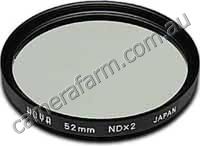 In conditions of extreme light intensity, such as sunshine on snowy mountains or on the beach, or when using a camcorder, ND (Neutral Density) filters are recommended as essential. |
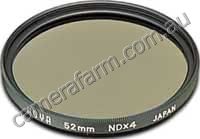 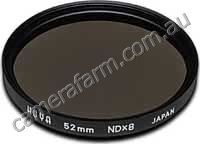 |
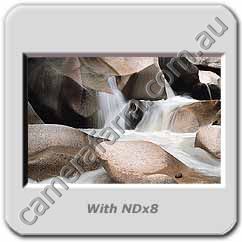 Neutral Density filters are often ignored by photographers, but they have several uses and offer the possibility to achieve otherwise unachievable results. ND filters appear grey and reduce the amount of light reaching the film, they have no affect on color balance. They have four main uses:
- To enable slow shutter speeds to be used, especially with fast films, to record movement in subjects such as waterfalls, clouds, cars, seas etc.
- To decrease depth of field by allowing wider apertures to be used, which helps separate subjects from their background.
- To decrease the effective ISO of high speed film (ie: above ISO400) and allow it to be used outdoors in blight situations.
- To allow cine and video cameras (which have fixed shutter speeds) to film subjects such as snow, sand or other bright scenes which would normally cause over-exposure.
|
NDx2 |
NDx4 |
NDx8 |
Shutter Spped/
Aperture Decrease |
1 Stop |
2 Stops |
3 Stops |
ISO Film Speed
Decrease
i.e. ISO800 |
1/2
ISO400 |
1/4
ISO200 |
1/8
ISO100 |
|
|
|
|
|
02/10
|
Hoya Neutral Density 4x HMC Filter - 37mm Hoya Neutral Density 4x HMC Filter - 37mm

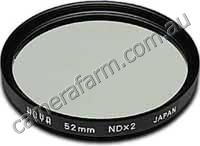 In conditions of extreme light intensity, such as sunshine on snowy mountains or on the beach, or when using a camcorder, ND (Neutral Density) filters are recommended as essential. |
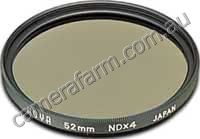 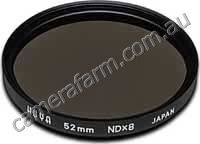 |
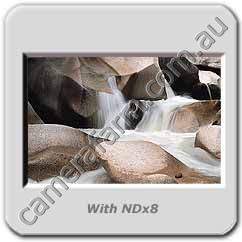 Neutral Density filters are often ignored by photographers, but they have several uses and offer the possibility to achieve otherwise unachievable results. ND filters appear grey and reduce the amount of light reaching the film, they have no affect on color balance. They have four main uses:
- To enable slow shutter speeds to be used, especially with fast films, to record movement in subjects such as waterfalls, clouds, cars, seas etc.
- To decrease depth of field by allowing wider apertures to be used, which helps separate subjects from their background.
- To decrease the effective ISO of high speed film (ie: above ISO400) and allow it to be used outdoors in blight situations.
- To allow cine and video cameras (which have fixed shutter speeds) to film subjects such as snow, sand or other bright scenes which would normally cause over-exposure.
|
NDx2 |
NDx4 |
NDx8 |
Shutter Spped/
Aperture Decrease |
1 Stop |
2 Stops |
3 Stops |
ISO Film Speed
Decrease
i.e. ISO800 |
1/2
ISO400 |
1/4
ISO200 |
1/8
ISO100 |
|
|
|
|
|
02/10
|
Sony VCLHA07A One Touch Wide Conversion LensIdeal for widening field of view.
Supplied 25mm, 30mm and 37mm adapter rings allow lens to be used with a variety of Handycam camcorders.
Magnification 0.7x.
Lens with 3 groups 3 elements.
High quality ABS plastic and glass construction.
|
|
|
|
02/10
|
Hoya Neutral Density 4x HMC Filter - 27mm Hoya Neutral Density 4x HMC Filter - 27mm

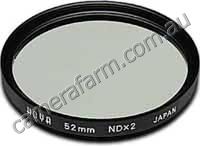 In conditions of extreme light intensity, such as sunshine on snowy mountains or on the beach, or when using a camcorder, ND (Neutral Density) filters are recommended as essential. |
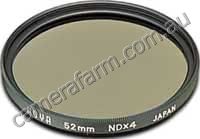 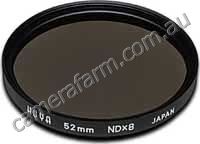 |
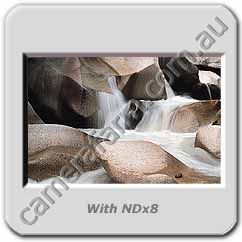 Neutral Density filters are often ignored by photographers, but they have several uses and offer the possibility to achieve otherwise unachievable results. ND filters appear grey and reduce the amount of light reaching the film, they have no affect on color balance. They have four main uses:
- To enable slow shutter speeds to be used, especially with fast films, to record movement in subjects such as waterfalls, clouds, cars, seas etc.
- To decrease depth of field by allowing wider apertures to be used, which helps separate subjects from their background.
- To decrease the effective ISO of high speed film (ie: above ISO400) and allow it to be used outdoors in blight situations.
- To allow cine and video cameras (which have fixed shutter speeds) to film subjects such as snow, sand or other bright scenes which would normally cause over-exposure.
|
NDx2 |
NDx4 |
NDx8 |
Shutter Spped/
Aperture Decrease |
1 Stop |
2 Stops |
3 Stops |
ISO Film Speed
Decrease
i.e. ISO800 |
1/2
ISO400 |
1/4
ISO200 |
1/8
ISO100 |
|
|
|
|
|
02/10
|
Hoya Neutral Density 2x HMC Filter - 82mm Hoya Neutral Density 2x HMC Filter - 82mm

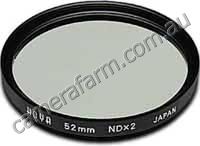 In conditions of extreme light intensity, such as sunshine on snowy mountains or on the beach, or when using a camcorder, ND (Neutral Density) filters are recommended as essential. |
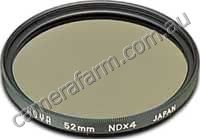 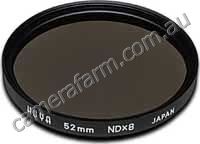 |
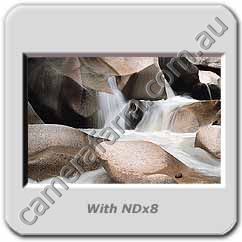 Neutral Density filters are often ignored by photographers, but they have several uses and offer the possibility to achieve otherwise unachievable results. ND filters appear grey and reduce the amount of light reaching the film, they have no affect on color balance. They have four main uses:
- To enable slow shutter speeds to be used, especially with fast films, to record movement in subjects such as waterfalls, clouds, cars, seas etc.
- To decrease depth of field by allowing wider apertures to be used, which helps separate subjects from their background.
- To decrease the effective ISO of high speed film (ie: above ISO400) and allow it to be used outdoors in blight situations.
- To allow cine and video cameras (which have fixed shutter speeds) to film subjects such as snow, sand or other bright scenes which would normally cause over-exposure.
|
NDx2 |
NDx4 |
NDx8 |
Shutter Spped/
Aperture Decrease |
1 Stop |
2 Stops |
3 Stops |
ISO Film Speed
Decrease
i.e. ISO800 |
1/2
ISO400 |
1/4
ISO200 |
1/8
ISO100 |
|
|
|
|
|
02/10
|
Sony VCLHG0862 High Grade Wide Lens (x0.8) - 62mmWant to fit more into your High Definition picture? Got a great landscape to film that you should do justice to? Using the VCLHG0862 Wide conversion lens that is exactly what you can do. The VCLHG0862 is a high grade lens specifically built for the HDRFX7 High-definition Handycam. It comes with a protective pouch. Compatible with: Any Handycam with a 62mm Lens Filter Diameter. Please consult your user manual (or specifications on the SONY website) to confirm the filter diameter of your Handycam lens. Key features
- High Grade lens with X 0.8 conversion
- Comes with carry pouch for protection
|
|
|
|
02/10
|
Sony VCLHG0872 High Grade Wide Lens (x0.8) - 72mmWant to fit more into your High-Definition picture? Got a great landscape to film that you should do justice to? Using the VCLHG0872 Wide conversion lens that is exactly what you can do. The VCLHG0872 is a high grade lens specifically built for the HDRFX1 High-definition handycam. It comes with a Conversion Lens Hood and a protective pouch. Compatible with: Any Handycam with a 72mm Lens Filter Diameter. Please consult your user manual (or specifications on the SONY website) to confirm the filter diameter of your Handycam lens. Key features
- 0.8x magnification for superb group and landscape video
- Made specifically for the HDRFX1 but will fit all 72mm thread Handycams
- High grade lens offers increased detail at the edge of an image for minimised distortion
- Compatible with Standard, High-Vision and 16:9 recording
- Features a 3 group and 4 element design for precision optics
- All aluminum and glass construction for increased durability
- Designed for use with the HDR-FX1 HDV Handycam camcorder
- Lens hood provides protection while minimising ambient light
- Includes two lens covers and a carrying pouch
General
- Weight (Lens): 550g
- Dimension (Diameter x Length, Lens): 96 x 47mm
- Magnification : : x 0.8
|
|
|
|
02/10
|
Sony VCLHG1758 High Grade Tele Conversion Lens (x1.7) - 58mmA Tele Conversion Lens enhances your Handycam zoom function, giving you a front seat to the action . Compatible with: Any Handycam with a 58mm Lens Filter Diameter. Please consult your user manual (or specifications on the SONY website) to confirm the filter diameter of your Handycam lens. Key features
- High grade 1.7 x tele conversion lens for DCRVX2000.
|
|
|
|
02/10
|
Hoya Neutral Density 2x HMC Filter - 77mm Hoya Neutral Density 2x HMC Filter - 77mm

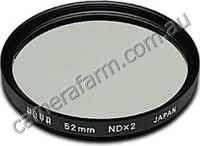 In conditions of extreme light intensity, such as sunshine on snowy mountains or on the beach, or when using a camcorder, ND (Neutral Density) filters are recommended as essential. |
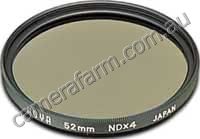 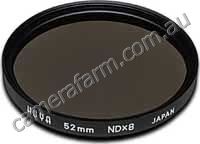 |
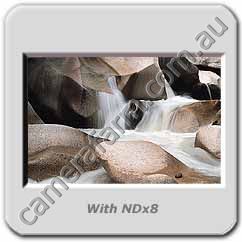 Neutral Density filters are often ignored by photographers, but they have several uses and offer the possibility to achieve otherwise unachievable results. ND filters appear grey and reduce the amount of light reaching the film, they have no affect on color balance. They have four main uses:
- To enable slow shutter speeds to be used, especially with fast films, to record movement in subjects such as waterfalls, clouds, cars, seas etc.
- To decrease depth of field by allowing wider apertures to be used, which helps separate subjects from their background.
- To decrease the effective ISO of high speed film (ie: above ISO400) and allow it to be used outdoors in blight situations.
- To allow cine and video cameras (which have fixed shutter speeds) to film subjects such as snow, sand or other bright scenes which would normally cause over-exposure.
|
NDx2 |
NDx4 |
NDx8 |
Shutter Spped/
Aperture Decrease |
1 Stop |
2 Stops |
3 Stops |
ISO Film Speed
Decrease
i.e. ISO800 |
1/2
ISO400 |
1/4
ISO200 |
1/8
ISO100 |
|
|
|
|
|
02/10
|
Hoya Neutral Density 2x HMC Filter - 72mm Hoya Neutral Density 2x HMC Filter - 72mm

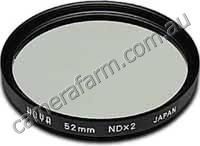 In conditions of extreme light intensity, such as sunshine on snowy mountains or on the beach, or when using a camcorder, ND (Neutral Density) filters are recommended as essential. |
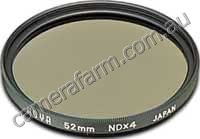 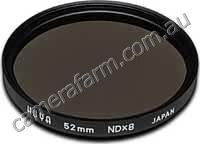 |
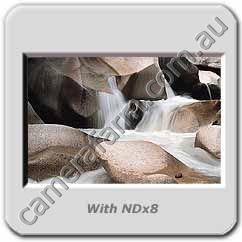 Neutral Density filters are often ignored by photographers, but they have several uses and offer the possibility to achieve otherwise unachievable results. ND filters appear grey and reduce the amount of light reaching the film, they have no affect on color balance. They have four main uses:
- To enable slow shutter speeds to be used, especially with fast films, to record movement in subjects such as waterfalls, clouds, cars, seas etc.
- To decrease depth of field by allowing wider apertures to be used, which helps separate subjects from their background.
- To decrease the effective ISO of high speed film (ie: above ISO400) and allow it to be used outdoors in blight situations.
- To allow cine and video cameras (which have fixed shutter speeds) to film subjects such as snow, sand or other bright scenes which would normally cause over-exposure.
|
NDx2 |
NDx4 |
NDx8 |
Shutter Spped/
Aperture Decrease |
1 Stop |
2 Stops |
3 Stops |
ISO Film Speed
Decrease
i.e. ISO800 |
1/2
ISO400 |
1/4
ISO200 |
1/8
ISO100 |
|
|
|
|
|
02/10
|
Hoya Neutral Density 2x HMC Filter - 67mm Hoya Neutral Density 2x HMC Filter - 67mm

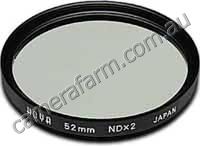 In conditions of extreme light intensity, such as sunshine on snowy mountains or on the beach, or when using a camcorder, ND (Neutral Density) filters are recommended as essential. |
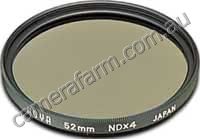 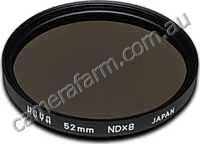 |
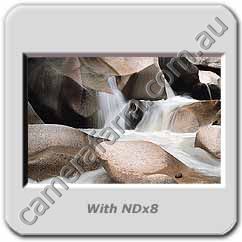 Neutral Density filters are often ignored by photographers, but they have several uses and offer the possibility to achieve otherwise unachievable results. ND filters appear grey and reduce the amount of light reaching the film, they have no affect on color balance. They have four main uses:
- To enable slow shutter speeds to be used, especially with fast films, to record movement in subjects such as waterfalls, clouds, cars, seas etc.
- To decrease depth of field by allowing wider apertures to be used, which helps separate subjects from their background.
- To decrease the effective ISO of high speed film (ie: above ISO400) and allow it to be used outdoors in blight situations.
- To allow cine and video cameras (which have fixed shutter speeds) to film subjects such as snow, sand or other bright scenes which would normally cause over-exposure.
|
NDx2 |
NDx4 |
NDx8 |
Shutter Spped/
Aperture Decrease |
1 Stop |
2 Stops |
3 Stops |
ISO Film Speed
Decrease
i.e. ISO800 |
1/2
ISO400 |
1/4
ISO200 |
1/8
ISO100 |
|
|
|
|
|
02/10
|
Hoya Neutral Density 2x HMC Filter - 62mm Hoya Neutral Density 2x HMC Filter - 62mm

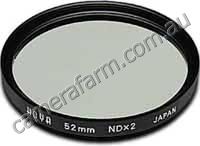 In conditions of extreme light intensity, such as sunshine on snowy mountains or on the beach, or when using a camcorder, ND (Neutral Density) filters are recommended as essential. |
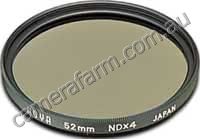 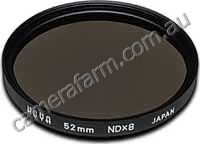 |
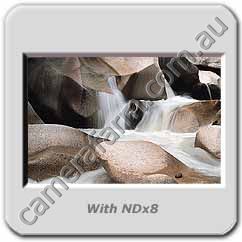 Neutral Density filters are often ignored by photographers, but they have several uses and offer the possibility to achieve otherwise unachievable results. ND filters appear grey and reduce the amount of light reaching the film, they have no affect on color balance. They have four main uses:
- To enable slow shutter speeds to be used, especially with fast films, to record movement in subjects such as waterfalls, clouds, cars, seas etc.
- To decrease depth of field by allowing wider apertures to be used, which helps separate subjects from their background.
- To decrease the effective ISO of high speed film (ie: above ISO400) and allow it to be used outdoors in blight situations.
- To allow cine and video cameras (which have fixed shutter speeds) to film subjects such as snow, sand or other bright scenes which would normally cause over-exposure.
|
NDx2 |
NDx4 |
NDx8 |
Shutter Spped/
Aperture Decrease |
1 Stop |
2 Stops |
3 Stops |
ISO Film Speed
Decrease
i.e. ISO800 |
1/2
ISO400 |
1/4
ISO200 |
1/8
ISO100 |
|
|
|
|
|
02/10
|
Hoya Neutral Density 2x HMC Filter - B60 Hoya Neutral Density 2x HMC Filter - B60

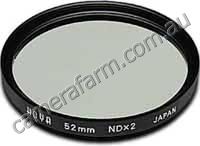 In conditions of extreme light intensity, such as sunshine on snowy mountains or on the beach, or when using a camcorder, ND (Neutral Density) filters are recommended as essential. |
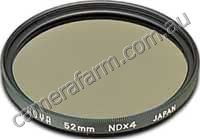 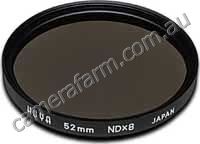 |
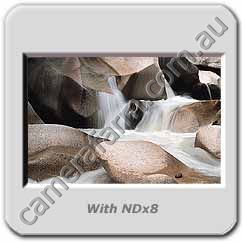 Neutral Density filters are often ignored by photographers, but they have several uses and offer the possibility to achieve otherwise unachievable results. ND filters appear grey and reduce the amount of light reaching the film, they have no affect on color balance. They have four main uses:
- To enable slow shutter speeds to be used, especially with fast films, to record movement in subjects such as waterfalls, clouds, cars, seas etc.
- To decrease depth of field by allowing wider apertures to be used, which helps separate subjects from their background.
- To decrease the effective ISO of high speed film (ie: above ISO400) and allow it to be used outdoors in blight situations.
- To allow cine and video cameras (which have fixed shutter speeds) to film subjects such as snow, sand or other bright scenes which would normally cause over-exposure.
|
NDx2 |
NDx4 |
NDx8 |
Shutter Spped/
Aperture Decrease |
1 Stop |
2 Stops |
3 Stops |
ISO Film Speed
Decrease
i.e. ISO800 |
1/2
ISO400 |
1/4
ISO200 |
1/8
ISO100 |
|
|
|
|
|
02/10
|
Hoya Neutral Density 2x HMC Filter - 58mm Hoya Neutral Density 2x HMC Filter - 58mm

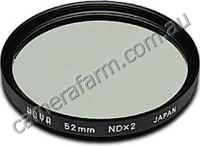 In conditions of extreme light intensity, such as sunshine on snowy mountains or on the beach, or when using a camcorder, ND (Neutral Density) filters are recommended as essential. |
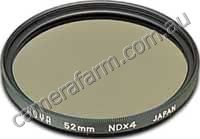 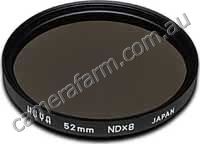 |
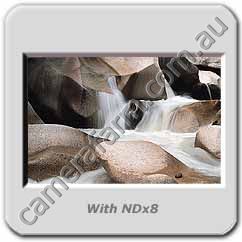 Neutral Density filters are often ignored by photographers, but they have several uses and offer the possibility to achieve otherwise unachievable results. ND filters appear grey and reduce the amount of light reaching the film, they have no affect on color balance. They have four main uses:
- To enable slow shutter speeds to be used, especially with fast films, to record movement in subjects such as waterfalls, clouds, cars, seas etc.
- To decrease depth of field by allowing wider apertures to be used, which helps separate subjects from their background.
- To decrease the effective ISO of high speed film (ie: above ISO400) and allow it to be used outdoors in blight situations.
- To allow cine and video cameras (which have fixed shutter speeds) to film subjects such as snow, sand or other bright scenes which would normally cause over-exposure.
|
NDx2 |
NDx4 |
NDx8 |
Shutter Spped/
Aperture Decrease |
1 Stop |
2 Stops |
3 Stops |
ISO Film Speed
Decrease
i.e. ISO800 |
1/2
ISO400 |
1/4
ISO200 |
1/8
ISO100 |
|
|
|
|
|
02/10
|
Hoya Neutral Density 2x HMC Filter - 55mm Hoya Neutral Density 2x HMC Filter - 55mm

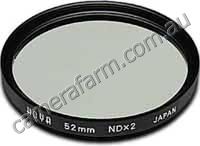 In conditions of extreme light intensity, such as sunshine on snowy mountains or on the beach, or when using a camcorder, ND (Neutral Density) filters are recommended as essential. |
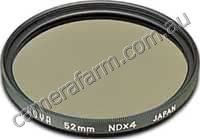 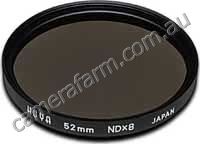 |
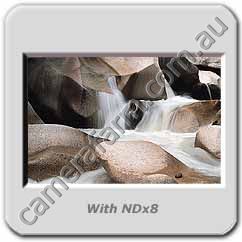 Neutral Density filters are often ignored by photographers, but they have several uses and offer the possibility to achieve otherwise unachievable results. ND filters appear grey and reduce the amount of light reaching the film, they have no affect on color balance. They have four main uses:
- To enable slow shutter speeds to be used, especially with fast films, to record movement in subjects such as waterfalls, clouds, cars, seas etc.
- To decrease depth of field by allowing wider apertures to be used, which helps separate subjects from their background.
- To decrease the effective ISO of high speed film (ie: above ISO400) and allow it to be used outdoors in blight situations.
- To allow cine and video cameras (which have fixed shutter speeds) to film subjects such as snow, sand or other bright scenes which would normally cause over-exposure.
|
NDx2 |
NDx4 |
NDx8 |
Shutter Spped/
Aperture Decrease |
1 Stop |
2 Stops |
3 Stops |
ISO Film Speed
Decrease
i.e. ISO800 |
1/2
ISO400 |
1/4
ISO200 |
1/8
ISO100 |
|
|
|
|
|
02/10
|
Hoya Neutral Density 2x HMC Filter - 52mm Hoya Neutral Density 2x HMC Filter - 52mm

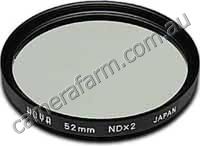 In conditions of extreme light intensity, such as sunshine on snowy mountains or on the beach, or when using a camcorder, ND (Neutral Density) filters are recommended as essential. |
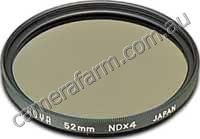 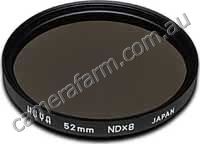 |
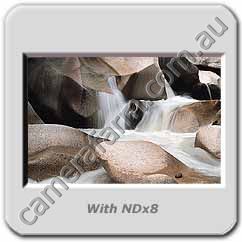 Neutral Density filters are often ignored by photographers, but they have several uses and offer the possibility to achieve otherwise unachievable results. ND filters appear grey and reduce the amount of light reaching the film, they have no affect on color balance. They have four main uses:
- To enable slow shutter speeds to be used, especially with fast films, to record movement in subjects such as waterfalls, clouds, cars, seas etc.
- To decrease depth of field by allowing wider apertures to be used, which helps separate subjects from their background.
- To decrease the effective ISO of high speed film (ie: above ISO400) and allow it to be used outdoors in blight situations.
- To allow cine and video cameras (which have fixed shutter speeds) to film subjects such as snow, sand or other bright scenes which would normally cause over-exposure.
|
NDx2 |
NDx4 |
NDx8 |
Shutter Spped/
Aperture Decrease |
1 Stop |
2 Stops |
3 Stops |
ISO Film Speed
Decrease
i.e. ISO800 |
1/2
ISO400 |
1/4
ISO200 |
1/8
ISO100 |
|
|
|
|
|
02/10
|
Hoya Neutral Density 2x HMC Filter - 49mm Hoya Neutral Density 2x HMC Filter - 49mm

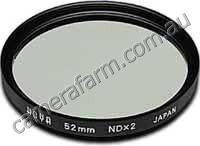 In conditions of extreme light intensity, such as sunshine on snowy mountains or on the beach, or when using a camcorder, ND (Neutral Density) filters are recommended as essential. |
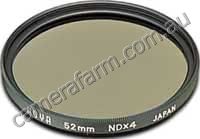 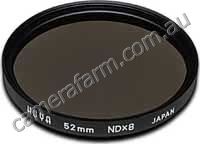 |
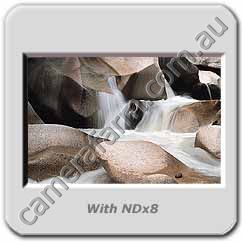 Neutral Density filters are often ignored by photographers, but they have several uses and offer the possibility to achieve otherwise unachievable results. ND filters appear grey and reduce the amount of light reaching the film, they have no affect on color balance. They have four main uses:
- To enable slow shutter speeds to be used, especially with fast films, to record movement in subjects such as waterfalls, clouds, cars, seas etc.
- To decrease depth of field by allowing wider apertures to be used, which helps separate subjects from their background.
- To decrease the effective ISO of high speed film (ie: above ISO400) and allow it to be used outdoors in blight situations.
- To allow cine and video cameras (which have fixed shutter speeds) to film subjects such as snow, sand or other bright scenes which would normally cause over-exposure.
|
NDx2 |
NDx4 |
NDx8 |
Shutter Spped/
Aperture Decrease |
1 Stop |
2 Stops |
3 Stops |
ISO Film Speed
Decrease
i.e. ISO800 |
1/2
ISO400 |
1/4
ISO200 |
1/8
ISO100 |
|
|
|
|
|
02/10
|
Hoya Neutral Density 2x HMC Filter - 46mm Hoya Neutral Density 2x HMC Filter - 46mm

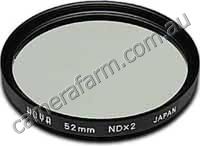 In conditions of extreme light intensity, such as sunshine on snowy mountains or on the beach, or when using a camcorder, ND (Neutral Density) filters are recommended as essential. |
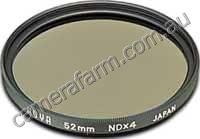 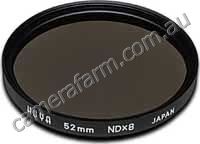 |
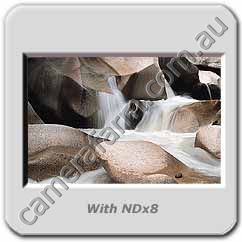 Neutral Density filters are often ignored by photographers, but they have several uses and offer the possibility to achieve otherwise unachievable results. ND filters appear grey and reduce the amount of light reaching the film, they have no affect on color balance. They have four main uses:
- To enable slow shutter speeds to be used, especially with fast films, to record movement in subjects such as waterfalls, clouds, cars, seas etc.
- To decrease depth of field by allowing wider apertures to be used, which helps separate subjects from their background.
- To decrease the effective ISO of high speed film (ie: above ISO400) and allow it to be used outdoors in blight situations.
- To allow cine and video cameras (which have fixed shutter speeds) to film subjects such as snow, sand or other bright scenes which would normally cause over-exposure.
|
NDx2 |
NDx4 |
NDx8 |
Shutter Spped/
Aperture Decrease |
1 Stop |
2 Stops |
3 Stops |
ISO Film Speed
Decrease
i.e. ISO800 |
1/2
ISO400 |
1/4
ISO200 |
1/8
ISO100 |
|
|
|
|
|
02/10
|
Hoya Neutral Density 8x Filter - B60 Hoya Neutral Density 8x Filter - B60

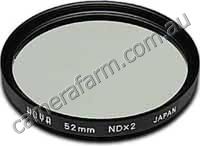 In conditions of extreme light intensity, such as sunshine on snowy mountains or on the beach, or when using a camcorder, ND (Neutral Density) filters are recommended as essential. |
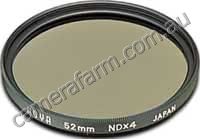 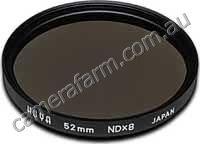 |
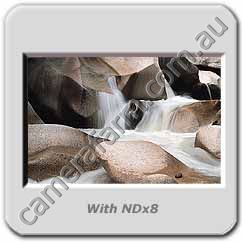 Neutral Density filters are often ignored by photographers, but they have several uses and offer the possibility to achieve otherwise unachievable results. ND filters appear grey and reduce the amount of light reaching the film, they have no affect on color balance. They have four main uses:
- To enable slow shutter speeds to be used, especially with fast films, to record movement in subjects such as waterfalls, clouds, cars, seas etc.
- To decrease depth of field by allowing wider apertures to be used, which helps separate subjects from their background.
- To decrease the effective ISO of high speed film (ie: above ISO400) and allow it to be used outdoors in blight situations.
- To allow cine and video cameras (which have fixed shutter speeds) to film subjects such as snow, sand or other bright scenes which would normally cause over-exposure.
|
NDx2 |
NDx4 |
NDx8 |
Shutter Spped/
Aperture Decrease |
1 Stop |
2 Stops |
3 Stops |
ISO Film Speed
Decrease
i.e. ISO800 |
1/2
ISO400 |
1/4
ISO200 |
1/8
ISO100 |
|
|
|
|
|
02/10
|
Hoya Neutral Density 8x Filter - 86mm Hoya Neutral Density 8x Filter - 86mm

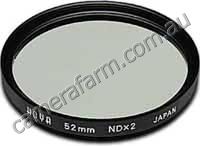 In conditions of extreme light intensity, such as sunshine on snowy mountains or on the beach, or when using a camcorder, ND (Neutral Density) filters are recommended as essential. |
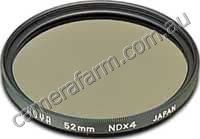 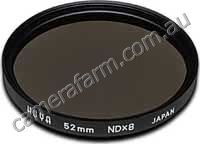 |
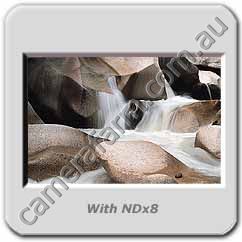 Neutral Density filters are often ignored by photographers, but they have several uses and offer the possibility to achieve otherwise unachievable results. ND filters appear grey and reduce the amount of light reaching the film, they have no affect on color balance. They have four main uses:
- To enable slow shutter speeds to be used, especially with fast films, to record movement in subjects such as waterfalls, clouds, cars, seas etc.
- To decrease depth of field by allowing wider apertures to be used, which helps separate subjects from their background.
- To decrease the effective ISO of high speed film (ie: above ISO400) and allow it to be used outdoors in blight situations.
- To allow cine and video cameras (which have fixed shutter speeds) to film subjects such as snow, sand or other bright scenes which would normally cause over-exposure.
|
NDx2 |
NDx4 |
NDx8 |
Shutter Spped/
Aperture Decrease |
1 Stop |
2 Stops |
3 Stops |
ISO Film Speed
Decrease
i.e. ISO800 |
1/2
ISO400 |
1/4
ISO200 |
1/8
ISO100 |
|
|
|
|
|
02/10
|
Hoya Neutral Density 8x Filter - 82mm Hoya Neutral Density 8x Filter - 82mm

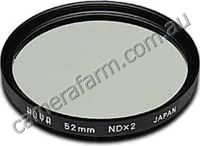 In conditions of extreme light intensity, such as sunshine on snowy mountains or on the beach, or when using a camcorder, ND (Neutral Density) filters are recommended as essential. |
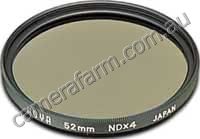 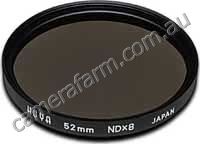 |
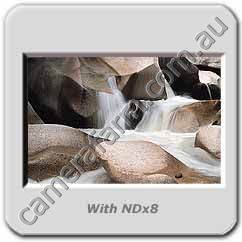 Neutral Density filters are often ignored by photographers, but they have several uses and offer the possibility to achieve otherwise unachievable results. ND filters appear grey and reduce the amount of light reaching the film, they have no affect on color balance. They have four main uses:
- To enable slow shutter speeds to be used, especially with fast films, to record movement in subjects such as waterfalls, clouds, cars, seas etc.
- To decrease depth of field by allowing wider apertures to be used, which helps separate subjects from their background.
- To decrease the effective ISO of high speed film (ie: above ISO400) and allow it to be used outdoors in blight situations.
- To allow cine and video cameras (which have fixed shutter speeds) to film subjects such as snow, sand or other bright scenes which would normally cause over-exposure.
|
NDx2 |
NDx4 |
NDx8 |
Shutter Spped/
Aperture Decrease |
1 Stop |
2 Stops |
3 Stops |
ISO Film Speed
Decrease
i.e. ISO800 |
1/2
ISO400 |
1/4
ISO200 |
1/8
ISO100 |
|
|
|
|
|
02/10
|
Hoya Neutral Density 8x Filter - 77mm Hoya Neutral Density 8x Filter - 77mm

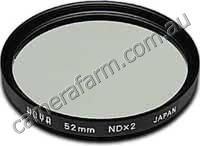 In conditions of extreme light intensity, such as sunshine on snowy mountains or on the beach, or when using a camcorder, ND (Neutral Density) filters are recommended as essential. |
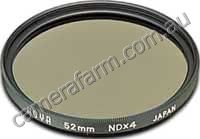 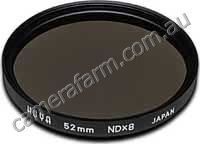 |
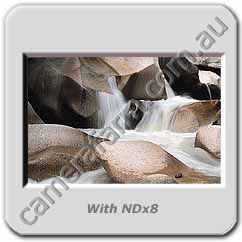 Neutral Density filters are often ignored by photographers, but they have several uses and offer the possibility to achieve otherwise unachievable results. ND filters appear grey and reduce the amount of light reaching the film, they have no affect on color balance. They have four main uses:
- To enable slow shutter speeds to be used, especially with fast films, to record movement in subjects such as waterfalls, clouds, cars, seas etc.
- To decrease depth of field by allowing wider apertures to be used, which helps separate subjects from their background.
- To decrease the effective ISO of high speed film (ie: above ISO400) and allow it to be used outdoors in blight situations.
- To allow cine and video cameras (which have fixed shutter speeds) to film subjects such as snow, sand or other bright scenes which would normally cause over-exposure.
|
NDx2 |
NDx4 |
NDx8 |
Shutter Spped/
Aperture Decrease |
1 Stop |
2 Stops |
3 Stops |
ISO Film Speed
Decrease
i.e. ISO800 |
1/2
ISO400 |
1/4
ISO200 |
1/8
ISO100 |
|
|
|
|
|
02/10
|
Hoya Neutral Density 8x Filter - 72mm Hoya Neutral Density 8x Filter - 72mm

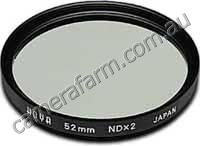 In conditions of extreme light intensity, such as sunshine on snowy mountains or on the beach, or when using a camcorder, ND (Neutral Density) filters are recommended as essential. |
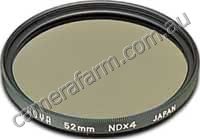 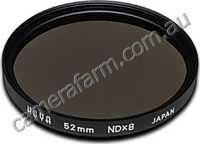 |
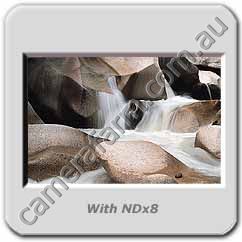 Neutral Density filters are often ignored by photographers, but they have several uses and offer the possibility to achieve otherwise unachievable results. ND filters appear grey and reduce the amount of light reaching the film, they have no affect on color balance. They have four main uses:
- To enable slow shutter speeds to be used, especially with fast films, to record movement in subjects such as waterfalls, clouds, cars, seas etc.
- To decrease depth of field by allowing wider apertures to be used, which helps separate subjects from their background.
- To decrease the effective ISO of high speed film (ie: above ISO400) and allow it to be used outdoors in blight situations.
- To allow cine and video cameras (which have fixed shutter speeds) to film subjects such as snow, sand or other bright scenes which would normally cause over-exposure.
|
NDx2 |
NDx4 |
NDx8 |
Shutter Spped/
Aperture Decrease |
1 Stop |
2 Stops |
3 Stops |
ISO Film Speed
Decrease
i.e. ISO800 |
1/2
ISO400 |
1/4
ISO200 |
1/8
ISO100 |
|
|
|
|
|
02/10
|
Hoya Colour Conversion Filter 82C - 86mm
These are light balancing filters used to increase the color temperature slightly for a cooler (bluer) tone.
Corrects the tendency toward reddish tones. For example, select the 82B when using tungsten Type B color film (3200K) with ordinary household 100W electric bulbs (2900K). These series filters are also used to prevent the reddish tones in early morning or late evening light for natural skin tones. These filters can be used together, but do not mix 81 and 82 series filters since they cancel out each other. |
|
|
|
|
02/10
|
Hoya Neutral Density 8x Filter - 67mm Hoya Neutral Density 8x Filter - 67mm

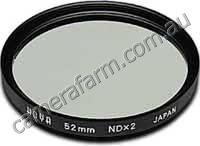 In conditions of extreme light intensity, such as sunshine on snowy mountains or on the beach, or when using a camcorder, ND (Neutral Density) filters are recommended as essential. |
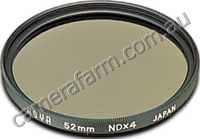 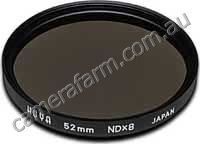 |
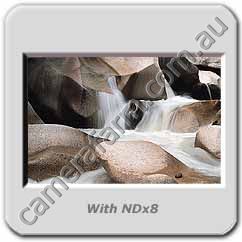 Neutral Density filters are often ignored by photographers, but they have several uses and offer the possibility to achieve otherwise unachievable results. ND filters appear grey and reduce the amount of light reaching the film, they have no affect on color balance. They have four main uses:
- To enable slow shutter speeds to be used, especially with fast films, to record movement in subjects such as waterfalls, clouds, cars, seas etc.
- To decrease depth of field by allowing wider apertures to be used, which helps separate subjects from their background.
- To decrease the effective ISO of high speed film (ie: above ISO400) and allow it to be used outdoors in blight situations.
- To allow cine and video cameras (which have fixed shutter speeds) to film subjects such as snow, sand or other bright scenes which would normally cause over-exposure.
|
NDx2 |
NDx4 |
NDx8 |
Shutter Spped/
Aperture Decrease |
1 Stop |
2 Stops |
3 Stops |
ISO Film Speed
Decrease
i.e. ISO800 |
1/2
ISO400 |
1/4
ISO200 |
1/8
ISO100 |
|
|
|
|
|
02/10
|
Hoya Colour Conversion Filter 82C - 82mm
These are light balancing filters used to increase the color temperature slightly for a cooler (bluer) tone.
Corrects the tendency toward reddish tones. For example, select the 82B when using tungsten Type B color film (3200K) with ordinary household 100W electric bulbs (2900K). These series filters are also used to prevent the reddish tones in early morning or late evening light for natural skin tones. These filters can be used together, but do not mix 81 and 82 series filters since they cancel out each other. |
|
|
|
|
02/10
|
Hoya Neutral Density 8x Filter - 62mm Hoya Neutral Density 8x Filter - 62mm

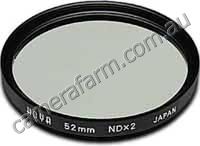 In conditions of extreme light intensity, such as sunshine on snowy mountains or on the beach, or when using a camcorder, ND (Neutral Density) filters are recommended as essential. |
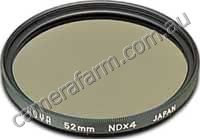 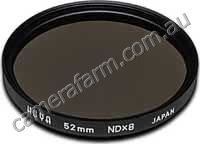 |
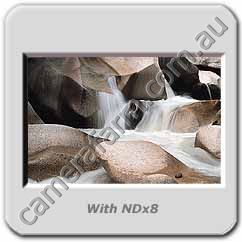 Neutral Density filters are often ignored by photographers, but they have several uses and offer the possibility to achieve otherwise unachievable results. ND filters appear grey and reduce the amount of light reaching the film, they have no affect on color balance. They have four main uses:
- To enable slow shutter speeds to be used, especially with fast films, to record movement in subjects such as waterfalls, clouds, cars, seas etc.
- To decrease depth of field by allowing wider apertures to be used, which helps separate subjects from their background.
- To decrease the effective ISO of high speed film (ie: above ISO400) and allow it to be used outdoors in blight situations.
- To allow cine and video cameras (which have fixed shutter speeds) to film subjects such as snow, sand or other bright scenes which would normally cause over-exposure.
|
NDx2 |
NDx4 |
NDx8 |
Shutter Spped/
Aperture Decrease |
1 Stop |
2 Stops |
3 Stops |
ISO Film Speed
Decrease
i.e. ISO800 |
1/2
ISO400 |
1/4
ISO200 |
1/8
ISO100 |
|
|
|
|
|
02/10
|
Hoya Colour Conversion Filter 82C - 77mm
These are light balancing filters used to increase the color temperature slightly for a cooler (bluer) tone.
Corrects the tendency toward reddish tones. For example, select the 82B when using tungsten Type B color film (3200K) with ordinary household 100W electric bulbs (2900K). These series filters are also used to prevent the reddish tones in early morning or late evening light for natural skin tones. These filters can be used together, but do not mix 81 and 82 series filters since they cancel out each other. |
|
|
|
|
02/10
|
Hoya Neutral Density 8x Filter - 58mm Hoya Neutral Density 8x Filter - 58mm

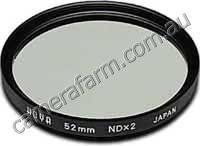 In conditions of extreme light intensity, such as sunshine on snowy mountains or on the beach, or when using a camcorder, ND (Neutral Density) filters are recommended as essential. |
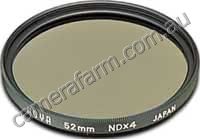 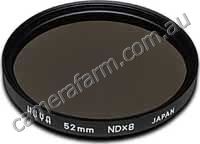 |
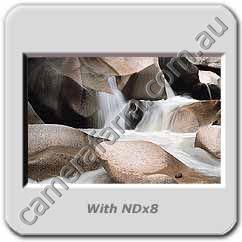 Neutral Density filters are often ignored by photographers, but they have several uses and offer the possibility to achieve otherwise unachievable results. ND filters appear grey and reduce the amount of light reaching the film, they have no affect on color balance. They have four main uses:
- To enable slow shutter speeds to be used, especially with fast films, to record movement in subjects such as waterfalls, clouds, cars, seas etc.
- To decrease depth of field by allowing wider apertures to be used, which helps separate subjects from their background.
- To decrease the effective ISO of high speed film (ie: above ISO400) and allow it to be used outdoors in blight situations.
- To allow cine and video cameras (which have fixed shutter speeds) to film subjects such as snow, sand or other bright scenes which would normally cause over-exposure.
|
NDx2 |
NDx4 |
NDx8 |
Shutter Spped/
Aperture Decrease |
1 Stop |
2 Stops |
3 Stops |
ISO Film Speed
Decrease
i.e. ISO800 |
1/2
ISO400 |
1/4
ISO200 |
1/8
ISO100 |
|
|
|
|
|
02/10
|
Hoya Colour Conversion Filter 82C - 72mm
These are light balancing filters used to increase the color temperature slightly for a cooler (bluer) tone.
Corrects the tendency toward reddish tones. For example, select the 82B when using tungsten Type B color film (3200K) with ordinary household 100W electric bulbs (2900K). These series filters are also used to prevent the reddish tones in early morning or late evening light for natural skin tones. These filters can be used together, but do not mix 81 and 82 series filters since they cancel out each other. |
|
|
|
|
02/10
|
Hoya Neutral Density 8x Filter - 55mm Hoya Neutral Density 8x Filter - 55mm

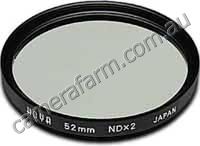 In conditions of extreme light intensity, such as sunshine on snowy mountains or on the beach, or when using a camcorder, ND (Neutral Density) filters are recommended as essential. |
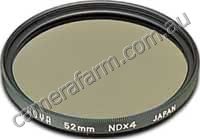 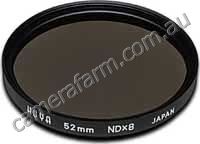 |
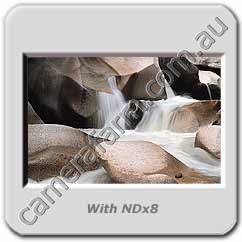 Neutral Density filters are often ignored by photographers, but they have several uses and offer the possibility to achieve otherwise unachievable results. ND filters appear grey and reduce the amount of light reaching the film, they have no affect on color balance. They have four main uses:
- To enable slow shutter speeds to be used, especially with fast films, to record movement in subjects such as waterfalls, clouds, cars, seas etc.
- To decrease depth of field by allowing wider apertures to be used, which helps separate subjects from their background.
- To decrease the effective ISO of high speed film (ie: above ISO400) and allow it to be used outdoors in blight situations.
- To allow cine and video cameras (which have fixed shutter speeds) to film subjects such as snow, sand or other bright scenes which would normally cause over-exposure.
|
NDx2 |
NDx4 |
NDx8 |
Shutter Spped/
Aperture Decrease |
1 Stop |
2 Stops |
3 Stops |
ISO Film Speed
Decrease
i.e. ISO800 |
1/2
ISO400 |
1/4
ISO200 |
1/8
ISO100 |
|
|
|
|
|
02/10
|
Hoya Colour Conversion Filter 82C - 67mm
These are light balancing filters used to increase the color temperature slightly for a cooler (bluer) tone.
Corrects the tendency toward reddish tones. For example, select the 82B when using tungsten Type B color film (3200K) with ordinary household 100W electric bulbs (2900K). These series filters are also used to prevent the reddish tones in early morning or late evening light for natural skin tones. These filters can be used together, but do not mix 81 and 82 series filters since they cancel out each other. |
|
|
|
|
02/10
|
Hoya Neutral Density 8x Filter - 52mm Hoya Neutral Density 8x Filter - 52mm

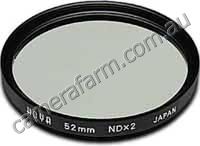 In conditions of extreme light intensity, such as sunshine on snowy mountains or on the beach, or when using a camcorder, ND (Neutral Density) filters are recommended as essential. |
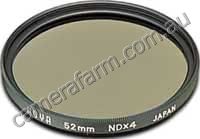 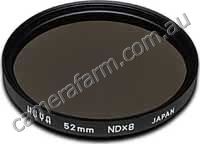 |
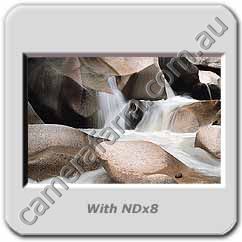 Neutral Density filters are often ignored by photographers, but they have several uses and offer the possibility to achieve otherwise unachievable results. ND filters appear grey and reduce the amount of light reaching the film, they have no affect on color balance. They have four main uses:
- To enable slow shutter speeds to be used, especially with fast films, to record movement in subjects such as waterfalls, clouds, cars, seas etc.
- To decrease depth of field by allowing wider apertures to be used, which helps separate subjects from their background.
- To decrease the effective ISO of high speed film (ie: above ISO400) and allow it to be used outdoors in blight situations.
- To allow cine and video cameras (which have fixed shutter speeds) to film subjects such as snow, sand or other bright scenes which would normally cause over-exposure.
|
NDx2 |
NDx4 |
NDx8 |
Shutter Spped/
Aperture Decrease |
1 Stop |
2 Stops |
3 Stops |
ISO Film Speed
Decrease
i.e. ISO800 |
1/2
ISO400 |
1/4
ISO200 |
1/8
ISO100 |
|
|
|
|
|
02/10
|
Hoya Colour Conversion Filter 82C - 62mm
These are light balancing filters used to increase the color temperature slightly for a cooler (bluer) tone.
Corrects the tendency toward reddish tones. For example, select the 82B when using tungsten Type B color film (3200K) with ordinary household 100W electric bulbs (2900K). These series filters are also used to prevent the reddish tones in early morning or late evening light for natural skin tones. These filters can be used together, but do not mix 81 and 82 series filters since they cancel out each other. |
|
|
|
|
02/10
|
Hoya Colour Conversion Filter 82C - Bayonet 60 (newer/current Hasselblad lenses)
These are light balancing filters used to increase the color temperature slightly for a cooler (bluer) tone.
Corrects the tendency toward reddish tones. For example, select the 82B when using tungsten Type B color film (3200K) with ordinary household 100W electric bulbs (2900K). These series filters are also used to prevent the reddish tones in early morning or late evening light for natural skin tones. These filters can be used together, but do not mix 81 and 82 series filters since they cancel out each other. |
|
|
|
|
02/10
|
Hoya Colour Conversion Filter 82C - 58mm
These are light balancing filters used to increase the color temperature slightly for a cooler (bluer) tone.
Corrects the tendency toward reddish tones. For example, select the 82B when using tungsten Type B color film (3200K) with ordinary household 100W electric bulbs (2900K). These series filters are also used to prevent the reddish tones in early morning or late evening light for natural skin tones. These filters can be used together, but do not mix 81 and 82 series filters since they cancel out each other. |
|
|
|
|
02/10
|
Hoya Colour Conversion Filter 82C - 55mm
These are light balancing filters used to increase the color temperature slightly for a cooler (bluer) tone.
Corrects the tendency toward reddish tones. For example, select the 82B when using tungsten Type B color film (3200K) with ordinary household 100W electric bulbs (2900K). These series filters are also used to prevent the reddish tones in early morning or late evening light for natural skin tones. These filters can be used together, but do not mix 81 and 82 series filters since they cancel out each other. |
|
|
|
|
02/10
|
Hoya Colour Conversion Filter 82C - 52mm
These are light balancing filters used to increase the color temperature slightly for a cooler (bluer) tone.
Corrects the tendency toward reddish tones. For example, select the 82B when using tungsten Type B color film (3200K) with ordinary household 100W electric bulbs (2900K). These series filters are also used to prevent the reddish tones in early morning or late evening light for natural skin tones. These filters can be used together, but do not mix 81 and 82 series filters since they cancel out each other. |
|
|
|
|
02/10
|
Hoya Colour Conversion Filter 82C - Bayonet 50 (older Hasselblad lenses)
These are light balancing filters used to increase the color temperature slightly for a cooler (bluer) tone.
Corrects the tendency toward reddish tones. For example, select the 82B when using tungsten Type B color film (3200K) with ordinary household 100W electric bulbs (2900K). These series filters are also used to prevent the reddish tones in early morning or late evening light for natural skin tones. These filters can be used together, but do not mix 81 and 82 series filters since they cancel out each other. |
|
|
|
|
02/10
|
Hoya Colour Conversion Filter 82C - 49mm
These are light balancing filters used to increase the color temperature slightly for a cooler (bluer) tone.
Corrects the tendency toward reddish tones. For example, select the 82B when using tungsten Type B color film (3200K) with ordinary household 100W electric bulbs (2900K). These series filters are also used to prevent the reddish tones in early morning or late evening light for natural skin tones. These filters can be used together, but do not mix 81 and 82 series filters since they cancel out each other. |
|
|
|
|
02/10
|
Hoya Colour Conversion Filter 82C - 48mm
These are light balancing filters used to increase the color temperature slightly for a cooler (bluer) tone.
Corrects the tendency toward reddish tones. For example, select the 82B when using tungsten Type B color film (3200K) with ordinary household 100W electric bulbs (2900K). These series filters are also used to prevent the reddish tones in early morning or late evening light for natural skin tones. These filters can be used together, but do not mix 81 and 82 series filters since they cancel out each other. |
|
|
|
|
02/10
|
Hoya Colour Conversion Filter 82C - 46mm
These are light balancing filters used to increase the color temperature slightly for a cooler (bluer) tone.
Corrects the tendency toward reddish tones. For example, select the 82B when using tungsten Type B color film (3200K) with ordinary household 100W electric bulbs (2900K). These series filters are also used to prevent the reddish tones in early morning or late evening light for natural skin tones. These filters can be used together, but do not mix 81 and 82 series filters since they cancel out each other. |
|
|
|
|
02/10
|
Hoya Colour Conversion Filter 82C - 43.5mm
These are light balancing filters used to increase the color temperature slightly for a cooler (bluer) tone.
Corrects the tendency toward reddish tones. For example, select the 82B when using tungsten Type B color film (3200K) with ordinary household 100W electric bulbs (2900K). These series filters are also used to prevent the reddish tones in early morning or late evening light for natural skin tones. These filters can be used together, but do not mix 81 and 82 series filters since they cancel out each other. |
|
|
|
|
02/10
|
Hoya Colour Conversion Filter 82C - 43mm
These are light balancing filters used to increase the color temperature slightly for a cooler (bluer) tone.
Corrects the tendency toward reddish tones. For example, select the 82B when using tungsten Type B color film (3200K) with ordinary household 100W electric bulbs (2900K). These series filters are also used to prevent the reddish tones in early morning or late evening light for natural skin tones. These filters can be used together, but do not mix 81 and 82 series filters since they cancel out each other. |
|
|
|
|
02/10
|
Hoya Colour Conversion Filter 82C - 40.5mm
These are light balancing filters used to increase the color temperature slightly for a cooler (bluer) tone.
Corrects the tendency toward reddish tones. For example, select the 82B when using tungsten Type B color film (3200K) with ordinary household 100W electric bulbs (2900K). These series filters are also used to prevent the reddish tones in early morning or late evening light for natural skin tones. These filters can be used together, but do not mix 81 and 82 series filters since they cancel out each other. |
|
|
|
|
02/10
|
Hoya Colour Conversion Filter 82C - 35.5mm
These are light balancing filters used to increase the color temperature slightly for a cooler (bluer) tone.
Corrects the tendency toward reddish tones. For example, select the 82B when using tungsten Type B color film (3200K) with ordinary household 100W electric bulbs (2900K). These series filters are also used to prevent the reddish tones in early morning or late evening light for natural skin tones. These filters can be used together, but do not mix 81 and 82 series filters since they cancel out each other. |
|
|
|
|
02/10
|
Hoya Neutral Density 8x Filter - 49mm Hoya Neutral Density 8x Filter - 49mm

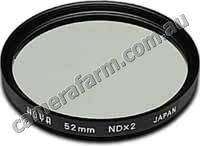 In conditions of extreme light intensity, such as sunshine on snowy mountains or on the beach, or when using a camcorder, ND (Neutral Density) filters are recommended as essential. |
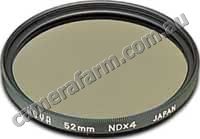 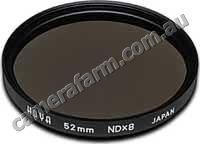 |
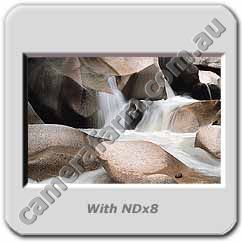 Neutral Density filters are often ignored by photographers, but they have several uses and offer the possibility to achieve otherwise unachievable results. ND filters appear grey and reduce the amount of light reaching the film, they have no affect on color balance. They have four main uses:
- To enable slow shutter speeds to be used, especially with fast films, to record movement in subjects such as waterfalls, clouds, cars, seas etc.
- To decrease depth of field by allowing wider apertures to be used, which helps separate subjects from their background.
- To decrease the effective ISO of high speed film (ie: above ISO400) and allow it to be used outdoors in blight situations.
- To allow cine and video cameras (which have fixed shutter speeds) to film subjects such as snow, sand or other bright scenes which would normally cause over-exposure.
|
NDx2 |
NDx4 |
NDx8 |
Shutter Spped/
Aperture Decrease |
1 Stop |
2 Stops |
3 Stops |
ISO Film Speed
Decrease
i.e. ISO800 |
1/2
ISO400 |
1/4
ISO200 |
1/8
ISO100 |
|
|
|
|
|
02/10
|
Hoya Neutral Density 8x Filter - 46mm Hoya Neutral Density 8x Filter - 46mm

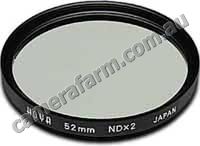 In conditions of extreme light intensity, such as sunshine on snowy mountains or on the beach, or when using a camcorder, ND (Neutral Density) filters are recommended as essential. |
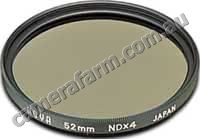 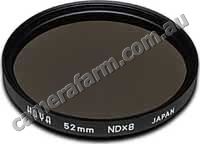 |
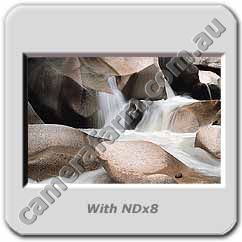 Neutral Density filters are often ignored by photographers, but they have several uses and offer the possibility to achieve otherwise unachievable results. ND filters appear grey and reduce the amount of light reaching the film, they have no affect on color balance. They have four main uses:
- To enable slow shutter speeds to be used, especially with fast films, to record movement in subjects such as waterfalls, clouds, cars, seas etc.
- To decrease depth of field by allowing wider apertures to be used, which helps separate subjects from their background.
- To decrease the effective ISO of high speed film (ie: above ISO400) and allow it to be used outdoors in blight situations.
- To allow cine and video cameras (which have fixed shutter speeds) to film subjects such as snow, sand or other bright scenes which would normally cause over-exposure.
|
NDx2 |
NDx4 |
NDx8 |
Shutter Spped/
Aperture Decrease |
1 Stop |
2 Stops |
3 Stops |
ISO Film Speed
Decrease
i.e. ISO800 |
1/2
ISO400 |
1/4
ISO200 |
1/8
ISO100 |
|
|
|
|
|
02/10
|
Hoya Neutral Density 8x Filter - 43mm Hoya Neutral Density 8x Filter - 43mm

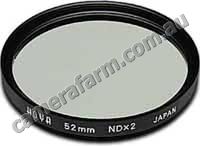 In conditions of extreme light intensity, such as sunshine on snowy mountains or on the beach, or when using a camcorder, ND (Neutral Density) filters are recommended as essential. |
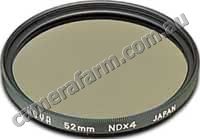 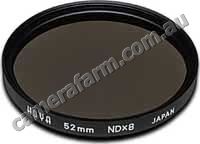 |
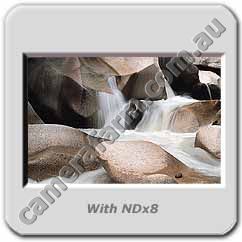 Neutral Density filters are often ignored by photographers, but they have several uses and offer the possibility to achieve otherwise unachievable results. ND filters appear grey and reduce the amount of light reaching the film, they have no affect on color balance. They have four main uses:
- To enable slow shutter speeds to be used, especially with fast films, to record movement in subjects such as waterfalls, clouds, cars, seas etc.
- To decrease depth of field by allowing wider apertures to be used, which helps separate subjects from their background.
- To decrease the effective ISO of high speed film (ie: above ISO400) and allow it to be used outdoors in blight situations.
- To allow cine and video cameras (which have fixed shutter speeds) to film subjects such as snow, sand or other bright scenes which would normally cause over-exposure.
|
NDx2 |
NDx4 |
NDx8 |
Shutter Spped/
Aperture Decrease |
1 Stop |
2 Stops |
3 Stops |
ISO Film Speed
Decrease
i.e. ISO800 |
1/2
ISO400 |
1/4
ISO200 |
1/8
ISO100 |
|
|
|
|
|
02/10
|
Hoya Neutral Density 8x Filter - 40.5mm Hoya Neutral Density 8x Filter - 40.5mm

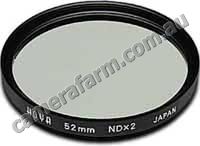 In conditions of extreme light intensity, such as sunshine on snowy mountains or on the beach, or when using a camcorder, ND (Neutral Density) filters are recommended as essential. |
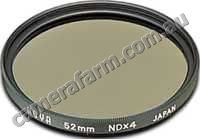 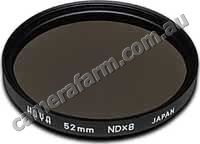 |
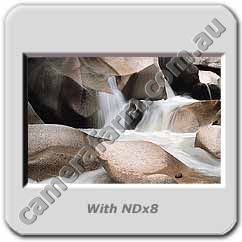 Neutral Density filters are often ignored by photographers, but they have several uses and offer the possibility to achieve otherwise unachievable results. ND filters appear grey and reduce the amount of light reaching the film, they have no affect on color balance. They have four main uses:
- To enable slow shutter speeds to be used, especially with fast films, to record movement in subjects such as waterfalls, clouds, cars, seas etc.
- To decrease depth of field by allowing wider apertures to be used, which helps separate subjects from their background.
- To decrease the effective ISO of high speed film (ie: above ISO400) and allow it to be used outdoors in blight situations.
- To allow cine and video cameras (which have fixed shutter speeds) to film subjects such as snow, sand or other bright scenes which would normally cause over-exposure.
|
NDx2 |
NDx4 |
NDx8 |
Shutter Spped/
Aperture Decrease |
1 Stop |
2 Stops |
3 Stops |
ISO Film Speed
Decrease
i.e. ISO800 |
1/2
ISO400 |
1/4
ISO200 |
1/8
ISO100 |
|
|
|
|
|
02/10
|
Hoya Neutral Density 8x Filter - 35.5mm Hoya Neutral Density 8x Filter - 35.5mm

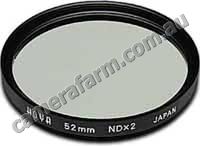 In conditions of extreme light intensity, such as sunshine on snowy mountains or on the beach, or when using a camcorder, ND (Neutral Density) filters are recommended as essential. |
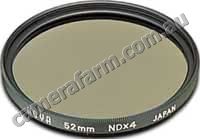 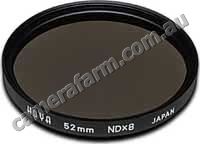 |
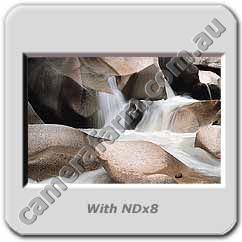 Neutral Density filters are often ignored by photographers, but they have several uses and offer the possibility to achieve otherwise unachievable results. ND filters appear grey and reduce the amount of light reaching the film, they have no affect on color balance. They have four main uses:
- To enable slow shutter speeds to be used, especially with fast films, to record movement in subjects such as waterfalls, clouds, cars, seas etc.
- To decrease depth of field by allowing wider apertures to be used, which helps separate subjects from their background.
- To decrease the effective ISO of high speed film (ie: above ISO400) and allow it to be used outdoors in blight situations.
- To allow cine and video cameras (which have fixed shutter speeds) to film subjects such as snow, sand or other bright scenes which would normally cause over-exposure.
|
NDx2 |
NDx4 |
NDx8 |
Shutter Spped/
Aperture Decrease |
1 Stop |
2 Stops |
3 Stops |
ISO Film Speed
Decrease
i.e. ISO800 |
1/2
ISO400 |
1/4
ISO200 |
1/8
ISO100 |
|
|
|
|
|
02/10
|
Hoya Neutral Density 4x Filter - 86mm Hoya Neutral Density 4x Filter - 86mm

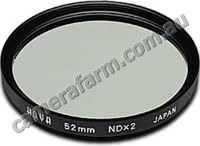 In conditions of extreme light intensity, such as sunshine on snowy mountains or on the beach, or when using a camcorder, ND (Neutral Density) filters are recommended as essential. |
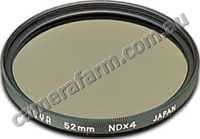 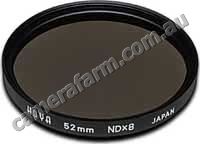 |
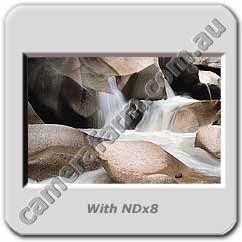 Neutral Density filters are often ignored by photographers, but they have several uses and offer the possibility to achieve otherwise unachievable results. ND filters appear grey and reduce the amount of light reaching the film, they have no affect on color balance. They have four main uses:
- To enable slow shutter speeds to be used, especially with fast films, to record movement in subjects such as waterfalls, clouds, cars, seas etc.
- To decrease depth of field by allowing wider apertures to be used, which helps separate subjects from their background.
- To decrease the effective ISO of high speed film (ie: above ISO400) and allow it to be used outdoors in blight situations.
- To allow cine and video cameras (which have fixed shutter speeds) to film subjects such as snow, sand or other bright scenes which would normally cause over-exposure.
|
NDx2 |
NDx4 |
NDx8 |
Shutter Spped/
Aperture Decrease |
1 Stop |
2 Stops |
3 Stops |
ISO Film Speed
Decrease
i.e. ISO800 |
1/2
ISO400 |
1/4
ISO200 |
1/8
ISO100 |
|
|
|
|
|
02/10
|
Hoya Neutral Density 4x Filter - 82mm Hoya Neutral Density 4x Filter - 82mm

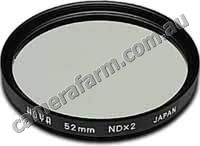 In conditions of extreme light intensity, such as sunshine on snowy mountains or on the beach, or when using a camcorder, ND (Neutral Density) filters are recommended as essential. |
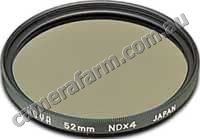 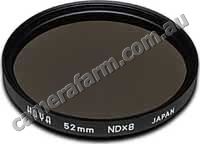 |
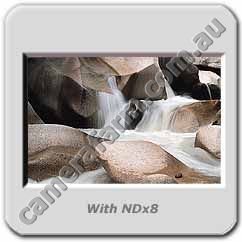 Neutral Density filters are often ignored by photographers, but they have several uses and offer the possibility to achieve otherwise unachievable results. ND filters appear grey and reduce the amount of light reaching the film, they have no affect on color balance. They have four main uses:
- To enable slow shutter speeds to be used, especially with fast films, to record movement in subjects such as waterfalls, clouds, cars, seas etc.
- To decrease depth of field by allowing wider apertures to be used, which helps separate subjects from their background.
- To decrease the effective ISO of high speed film (ie: above ISO400) and allow it to be used outdoors in blight situations.
- To allow cine and video cameras (which have fixed shutter speeds) to film subjects such as snow, sand or other bright scenes which would normally cause over-exposure.
|
NDx2 |
NDx4 |
NDx8 |
Shutter Spped/
Aperture Decrease |
1 Stop |
2 Stops |
3 Stops |
ISO Film Speed
Decrease
i.e. ISO800 |
1/2
ISO400 |
1/4
ISO200 |
1/8
ISO100 |
|
|
|
|
|
02/10
|
Hoya Neutral Density 4x Filter - 77mm Hoya Neutral Density 4x Filter - 77mm

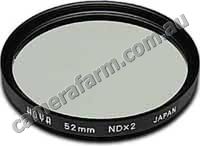 In conditions of extreme light intensity, such as sunshine on snowy mountains or on the beach, or when using a camcorder, ND (Neutral Density) filters are recommended as essential. |
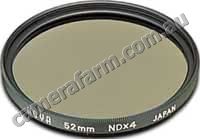 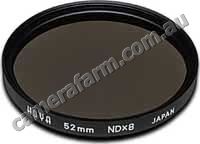 |
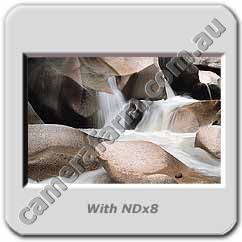 Neutral Density filters are often ignored by photographers, but they have several uses and offer the possibility to achieve otherwise unachievable results. ND filters appear grey and reduce the amount of light reaching the film, they have no affect on color balance. They have four main uses:
- To enable slow shutter speeds to be used, especially with fast films, to record movement in subjects such as waterfalls, clouds, cars, seas etc.
- To decrease depth of field by allowing wider apertures to be used, which helps separate subjects from their background.
- To decrease the effective ISO of high speed film (ie: above ISO400) and allow it to be used outdoors in blight situations.
- To allow cine and video cameras (which have fixed shutter speeds) to film subjects such as snow, sand or other bright scenes which would normally cause over-exposure.
|
NDx2 |
NDx4 |
NDx8 |
Shutter Spped/
Aperture Decrease |
1 Stop |
2 Stops |
3 Stops |
ISO Film Speed
Decrease
i.e. ISO800 |
1/2
ISO400 |
1/4
ISO200 |
1/8
ISO100 |
|
|
|
|
|
02/10
|
Hoya Neutral Density 4x Filter - 72mm Hoya Neutral Density 4x Filter - 72mm

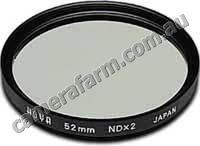 In conditions of extreme light intensity, such as sunshine on snowy mountains or on the beach, or when using a camcorder, ND (Neutral Density) filters are recommended as essential. |
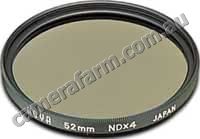 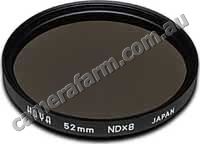 |
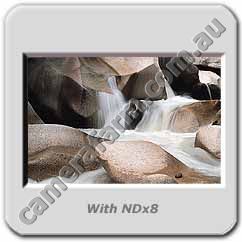 Neutral Density filters are often ignored by photographers, but they have several uses and offer the possibility to achieve otherwise unachievable results. ND filters appear grey and reduce the amount of light reaching the film, they have no affect on color balance. They have four main uses:
- To enable slow shutter speeds to be used, especially with fast films, to record movement in subjects such as waterfalls, clouds, cars, seas etc.
- To decrease depth of field by allowing wider apertures to be used, which helps separate subjects from their background.
- To decrease the effective ISO of high speed film (ie: above ISO400) and allow it to be used outdoors in blight situations.
- To allow cine and video cameras (which have fixed shutter speeds) to film subjects such as snow, sand or other bright scenes which would normally cause over-exposure.
|
NDx2 |
NDx4 |
NDx8 |
Shutter Spped/
Aperture Decrease |
1 Stop |
2 Stops |
3 Stops |
ISO Film Speed
Decrease
i.e. ISO800 |
1/2
ISO400 |
1/4
ISO200 |
1/8
ISO100 |
|
|
|
|
|
02/10
|
Hoya Neutral Density 4x Filter - 67mm Hoya Neutral Density 4x Filter - 67mm

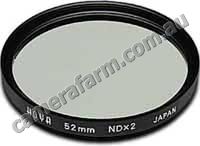 In conditions of extreme light intensity, such as sunshine on snowy mountains or on the beach, or when using a camcorder, ND (Neutral Density) filters are recommended as essential. |
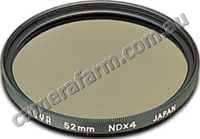 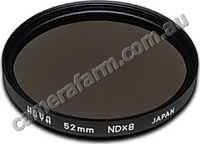 |
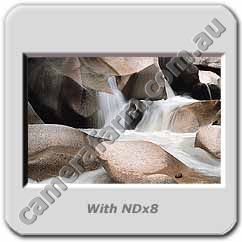 Neutral Density filters are often ignored by photographers, but they have several uses and offer the possibility to achieve otherwise unachievable results. ND filters appear grey and reduce the amount of light reaching the film, they have no affect on color balance. They have four main uses:
- To enable slow shutter speeds to be used, especially with fast films, to record movement in subjects such as waterfalls, clouds, cars, seas etc.
- To decrease depth of field by allowing wider apertures to be used, which helps separate subjects from their background.
- To decrease the effective ISO of high speed film (ie: above ISO400) and allow it to be used outdoors in blight situations.
- To allow cine and video cameras (which have fixed shutter speeds) to film subjects such as snow, sand or other bright scenes which would normally cause over-exposure.
|
NDx2 |
NDx4 |
NDx8 |
Shutter Spped/
Aperture Decrease |
1 Stop |
2 Stops |
3 Stops |
ISO Film Speed
Decrease
i.e. ISO800 |
1/2
ISO400 |
1/4
ISO200 |
1/8
ISO100 |
|
|
|
|
|
02/10
|
Hoya Neutral Density 4x Filter - 62mm Hoya Neutral Density 4x Filter - 62mm

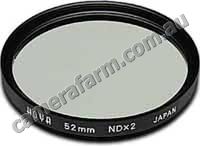 In conditions of extreme light intensity, such as sunshine on snowy mountains or on the beach, or when using a camcorder, ND (Neutral Density) filters are recommended as essential. |
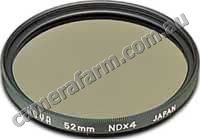 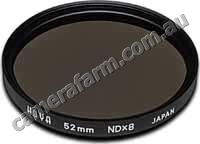 |
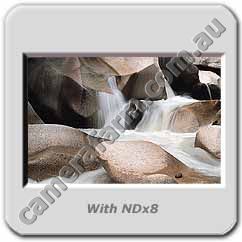 Neutral Density filters are often ignored by photographers, but they have several uses and offer the possibility to achieve otherwise unachievable results. ND filters appear grey and reduce the amount of light reaching the film, they have no affect on color balance. They have four main uses:
- To enable slow shutter speeds to be used, especially with fast films, to record movement in subjects such as waterfalls, clouds, cars, seas etc.
- To decrease depth of field by allowing wider apertures to be used, which helps separate subjects from their background.
- To decrease the effective ISO of high speed film (ie: above ISO400) and allow it to be used outdoors in blight situations.
- To allow cine and video cameras (which have fixed shutter speeds) to film subjects such as snow, sand or other bright scenes which would normally cause over-exposure.
|
NDx2 |
NDx4 |
NDx8 |
Shutter Spped/
Aperture Decrease |
1 Stop |
2 Stops |
3 Stops |
ISO Film Speed
Decrease
i.e. ISO800 |
1/2
ISO400 |
1/4
ISO200 |
1/8
ISO100 |
|
|
|
|
|
02/10
|
Hoya Neutral Density 4x Filter - B60 Hoya Neutral Density 4x Filter - B60

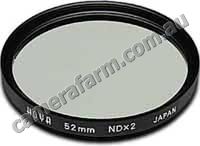 In conditions of extreme light intensity, such as sunshine on snowy mountains or on the beach, or when using a camcorder, ND (Neutral Density) filters are recommended as essential. |
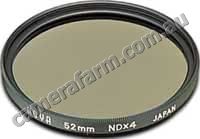 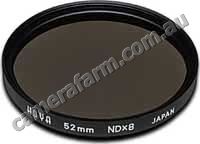 |
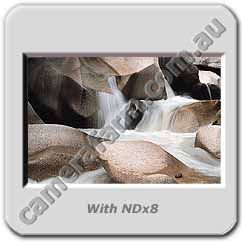 Neutral Density filters are often ignored by photographers, but they have several uses and offer the possibility to achieve otherwise unachievable results. ND filters appear grey and reduce the amount of light reaching the film, they have no affect on color balance. They have four main uses:
- To enable slow shutter speeds to be used, especially with fast films, to record movement in subjects such as waterfalls, clouds, cars, seas etc.
- To decrease depth of field by allowing wider apertures to be used, which helps separate subjects from their background.
- To decrease the effective ISO of high speed film (ie: above ISO400) and allow it to be used outdoors in blight situations.
- To allow cine and video cameras (which have fixed shutter speeds) to film subjects such as snow, sand or other bright scenes which would normally cause over-exposure.
|
NDx2 |
NDx4 |
NDx8 |
Shutter Spped/
Aperture Decrease |
1 Stop |
2 Stops |
3 Stops |
ISO Film Speed
Decrease
i.e. ISO800 |
1/2
ISO400 |
1/4
ISO200 |
1/8
ISO100 |
|
|
|
|
|
02/10
|
Hoya Neutral Density 4x Filter - 58mm Neutral Density 4x Filter - 58mm

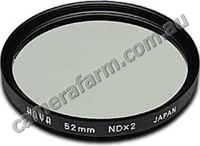 In conditions of extreme light intensity, such as sunshine on snowy mountains or on the beach, or when using a camcorder, ND (Neutral Density) filters are recommended as essential. |
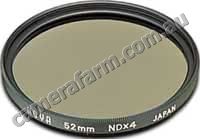 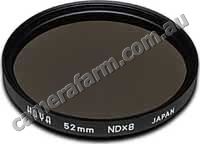 |
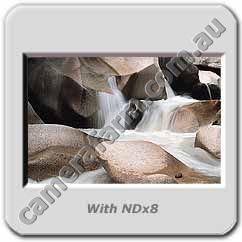 Neutral Density filters are often ignored by photographers, but they have several uses and offer the possibility to achieve otherwise unachievable results. ND filters appear grey and reduce the amount of light reaching the film, they have no affect on color balance. They have four main uses:
- To enable slow shutter speeds to be used, especially with fast films, to record movement in subjects such as waterfalls, clouds, cars, seas etc.
- To decrease depth of field by allowing wider apertures to be used, which helps separate subjects from their background.
- To decrease the effective ISO of high speed film (ie: above ISO400) and allow it to be used outdoors in blight situations.
- To allow cine and video cameras (which have fixed shutter speeds) to film subjects such as snow, sand or other bright scenes which would normally cause over-exposure.
|
NDx2 |
NDx4 |
NDx8 |
Shutter Spped/
Aperture Decrease |
1 Stop |
2 Stops |
3 Stops |
ISO Film Speed
Decrease
i.e. ISO800 |
1/2
ISO400 |
1/4
ISO200 |
1/8
ISO100 |
|
|
|
|
|
02/10
|
Hoya Neutral Density 4x Filter - 55mm Hoya Neutral Density 4x Filter - 55mm

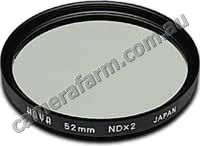 In conditions of extreme light intensity, such as sunshine on snowy mountains or on the beach, or when using a camcorder, ND (Neutral Density) filters are recommended as essential. |
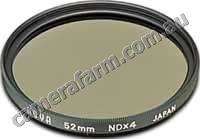 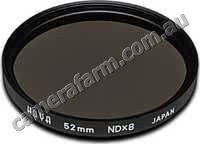 |
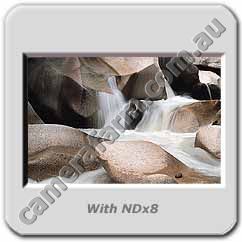 Neutral Density filters are often ignored by photographers, but they have several uses and offer the possibility to achieve otherwise unachievable results. ND filters appear grey and reduce the amount of light reaching the film, they have no affect on color balance. They have four main uses:
- To enable slow shutter speeds to be used, especially with fast films, to record movement in subjects such as waterfalls, clouds, cars, seas etc.
- To decrease depth of field by allowing wider apertures to be used, which helps separate subjects from their background.
- To decrease the effective ISO of high speed film (ie: above ISO400) and allow it to be used outdoors in blight situations.
- To allow cine and video cameras (which have fixed shutter speeds) to film subjects such as snow, sand or other bright scenes which would normally cause over-exposure.
|
NDx2 |
NDx4 |
NDx8 |
Shutter Spped/
Aperture Decrease |
1 Stop |
2 Stops |
3 Stops |
ISO Film Speed
Decrease
i.e. ISO800 |
1/2
ISO400 |
1/4
ISO200 |
1/8
ISO100 |
|
|
|
|
|
02/10
|
Hoya Neutral Density 4x Filter - 52mm Hoya Neutral Density 4x Filter - 52mm

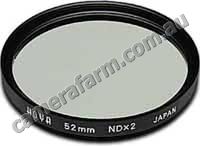 In conditions of extreme light intensity, such as sunshine on snowy mountains or on the beach, or when using a camcorder, ND (Neutral Density) filters are recommended as essential. |
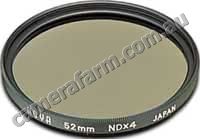 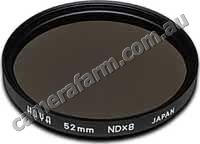 |
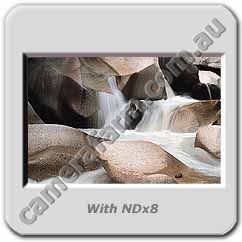 Neutral Density filters are often ignored by photographers, but they have several uses and offer the possibility to achieve otherwise unachievable results. ND filters appear grey and reduce the amount of light reaching the film, they have no affect on color balance. They have four main uses:
- To enable slow shutter speeds to be used, especially with fast films, to record movement in subjects such as waterfalls, clouds, cars, seas etc.
- To decrease depth of field by allowing wider apertures to be used, which helps separate subjects from their background.
- To decrease the effective ISO of high speed film (ie: above ISO400) and allow it to be used outdoors in blight situations.
- To allow cine and video cameras (which have fixed shutter speeds) to film subjects such as snow, sand or other bright scenes which would normally cause over-exposure.
|
NDx2 |
NDx4 |
NDx8 |
Shutter Spped/
Aperture Decrease |
1 Stop |
2 Stops |
3 Stops |
ISO Film Speed
Decrease
i.e. ISO800 |
1/2
ISO400 |
1/4
ISO200 |
1/8
ISO100 |
|
|
|
|
|
02/10
|
Hoya Neutral Density 4x Filter - B50 Hoya Neutral Density 4x Filter - B50

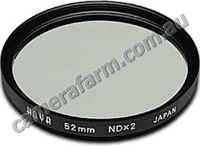 In conditions of extreme light intensity, such as sunshine on snowy mountains or on the beach, or when using a camcorder, ND (Neutral Density) filters are recommended as essential. |
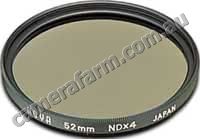 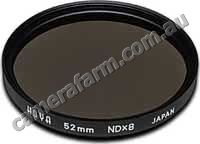 |
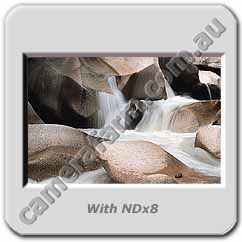 Neutral Density filters are often ignored by photographers, but they have several uses and offer the possibility to achieve otherwise unachievable results. ND filters appear grey and reduce the amount of light reaching the film, they have no affect on color balance. They have four main uses:
- To enable slow shutter speeds to be used, especially with fast films, to record movement in subjects such as waterfalls, clouds, cars, seas etc.
- To decrease depth of field by allowing wider apertures to be used, which helps separate subjects from their background.
- To decrease the effective ISO of high speed film (ie: above ISO400) and allow it to be used outdoors in blight situations.
- To allow cine and video cameras (which have fixed shutter speeds) to film subjects such as snow, sand or other bright scenes which would normally cause over-exposure.
|
NDx2 |
NDx4 |
NDx8 |
Shutter Spped/
Aperture Decrease |
1 Stop |
2 Stops |
3 Stops |
ISO Film Speed
Decrease
i.e. ISO800 |
1/2
ISO400 |
1/4
ISO200 |
1/8
ISO100 |
|
|
|
|
|
02/10
|
Hoya Neutral Density 4x Filter - 49mm Hoya Neutral Density 4x Filter - 49mm

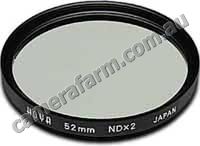 In conditions of extreme light intensity, such as sunshine on snowy mountains or on the beach, or when using a camcorder, ND (Neutral Density) filters are recommended as essential. |
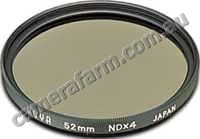 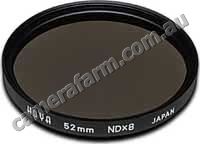 |
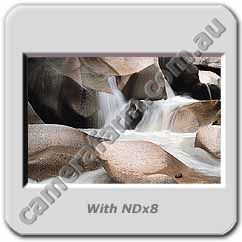 Neutral Density filters are often ignored by photographers, but they have several uses and offer the possibility to achieve otherwise unachievable results. ND filters appear grey and reduce the amount of light reaching the film, they have no affect on color balance. They have four main uses:
- To enable slow shutter speeds to be used, especially with fast films, to record movement in subjects such as waterfalls, clouds, cars, seas etc.
- To decrease depth of field by allowing wider apertures to be used, which helps separate subjects from their background.
- To decrease the effective ISO of high speed film (ie: above ISO400) and allow it to be used outdoors in blight situations.
- To allow cine and video cameras (which have fixed shutter speeds) to film subjects such as snow, sand or other bright scenes which would normally cause over-exposure.
|
NDx2 |
NDx4 |
NDx8 |
Shutter Spped/
Aperture Decrease |
1 Stop |
2 Stops |
3 Stops |
ISO Film Speed
Decrease
i.e. ISO800 |
1/2
ISO400 |
1/4
ISO200 |
1/8
ISO100 |
|
|
|
|
|
02/10
|
Hoya Neutral Density 4x Filter - 46mm Hoya Neutral Density 4x Filter - 46mm

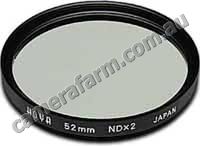 In conditions of extreme light intensity, such as sunshine on snowy mountains or on the beach, or when using a camcorder, ND (Neutral Density) filters are recommended as essential. |
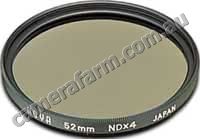 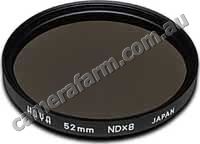 |
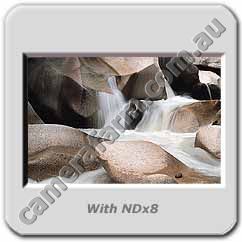 Neutral Density filters are often ignored by photographers, but they have several uses and offer the possibility to achieve otherwise unachievable results. ND filters appear grey and reduce the amount of light reaching the film, they have no affect on color balance. They have four main uses:
- To enable slow shutter speeds to be used, especially with fast films, to record movement in subjects such as waterfalls, clouds, cars, seas etc.
- To decrease depth of field by allowing wider apertures to be used, which helps separate subjects from their background.
- To decrease the effective ISO of high speed film (ie: above ISO400) and allow it to be used outdoors in blight situations.
- To allow cine and video cameras (which have fixed shutter speeds) to film subjects such as snow, sand or other bright scenes which would normally cause over-exposure.
|
NDx2 |
NDx4 |
NDx8 |
Shutter Spped/
Aperture Decrease |
1 Stop |
2 Stops |
3 Stops |
ISO Film Speed
Decrease
i.e. ISO800 |
1/2
ISO400 |
1/4
ISO200 |
1/8
ISO100 |
|
|
|
|
|
02/10
|
Hoya Neutral Density 4x Filter - 43.5mm Hoya Neutral Density 4x Filter - 43.5mm

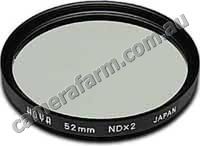 In conditions of extreme light intensity, such as sunshine on snowy mountains or on the beach, or when using a camcorder, ND (Neutral Density) filters are recommended as essential. |
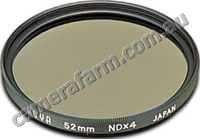 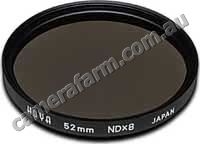 |
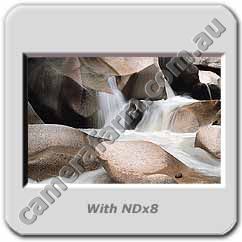 Neutral Density filters are often ignored by photographers, but they have several uses and offer the possibility to achieve otherwise unachievable results. ND filters appear grey and reduce the amount of light reaching the film, they have no affect on color balance. They have four main uses:
- To enable slow shutter speeds to be used, especially with fast films, to record movement in subjects such as waterfalls, clouds, cars, seas etc.
- To decrease depth of field by allowing wider apertures to be used, which helps separate subjects from their background.
- To decrease the effective ISO of high speed film (ie: above ISO400) and allow it to be used outdoors in blight situations.
- To allow cine and video cameras (which have fixed shutter speeds) to film subjects such as snow, sand or other bright scenes which would normally cause over-exposure.
|
NDx2 |
NDx4 |
NDx8 |
Shutter Spped/
Aperture Decrease |
1 Stop |
2 Stops |
3 Stops |
ISO Film Speed
Decrease
i.e. ISO800 |
1/2
ISO400 |
1/4
ISO200 |
1/8
ISO100 |
|
|
|
|
|
02/10
|
Hoya Colour Conversion Filter 82B, HMC - 82mm

These are light balancing filters used to increase the color temperature slightly for a cooler (bluer) tone.
Corrects the tendency toward reddish tones. For example, select the 82B when using tungsten Type B color film (3200K) with ordinary household 100W electric bulbs (2900K). These series filters are also used to prevent the reddish tones in early morning or late evening light for natural skin tones. These filters can be used together, but do not mix 81 and 82 series filters since they cancel out each other. |
 These popular filters are renowned for their ability to minimise reflection at the filter surfaces which reduces flare and ghosting. The result is an average light transmission of over 97%, giving sharp contrast and well balanced color. HOYA HMC filters are recommended for enhancing the performance of today's multicoated lenses. |
|
|
|
|
02/10
|
Hoya Neutral Density 4x Filter - 43mm Hoya Neutral Density 4x Filter - 43mm

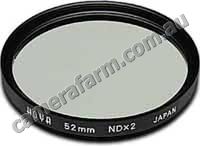 In conditions of extreme light intensity, such as sunshine on snowy mountains or on the beach, or when using a camcorder, ND (Neutral Density) filters are recommended as essential. |
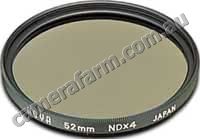 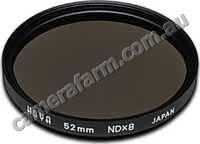 |
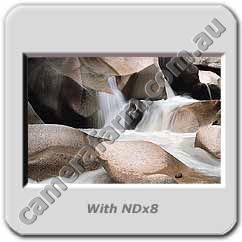 Neutral Density filters are often ignored by photographers, but they have several uses and offer the possibility to achieve otherwise unachievable results. ND filters appear grey and reduce the amount of light reaching the film, they have no affect on color balance. They have four main uses:
- To enable slow shutter speeds to be used, especially with fast films, to record movement in subjects such as waterfalls, clouds, cars, seas etc.
- To decrease depth of field by allowing wider apertures to be used, which helps separate subjects from their background.
- To decrease the effective ISO of high speed film (ie: above ISO400) and allow it to be used outdoors in blight situations.
- To allow cine and video cameras (which have fixed shutter speeds) to film subjects such as snow, sand or other bright scenes which would normally cause over-exposure.
|
NDx2 |
NDx4 |
NDx8 |
Shutter Spped/
Aperture Decrease |
1 Stop |
2 Stops |
3 Stops |
ISO Film Speed
Decrease
i.e. ISO800 |
1/2
ISO400 |
1/4
ISO200 |
1/8
ISO100 |
|
|
|
|
|
02/10
|
Hoya Colour Conversion Filter 82B, HMC - 77mm

These are light balancing filters used to increase the color temperature slightly for a cooler (bluer) tone.
Corrects the tendency toward reddish tones. For example, select the 82B when using tungsten Type B color film (3200K) with ordinary household 100W electric bulbs (2900K). These series filters are also used to prevent the reddish tones in early morning or late evening light for natural skin tones. These filters can be used together, but do not mix 81 and 82 series filters since they cancel out each other. |
 These popular filters are renowned for their ability to minimise reflection at the filter surfaces which reduces flare and ghosting. The result is an average light transmission of over 97%, giving sharp contrast and well balanced color. HOYA HMC filters are recommended for enhancing the performance of today's multicoated lenses. |
|
|
|
|
02/10
|
Hoya Neutral Density 4x Filter - 40.5mm Hoya Neutral Density 4x Filter - 40.5mm

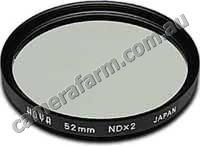 In conditions of extreme light intensity, such as sunshine on snowy mountains or on the beach, or when using a camcorder, ND (Neutral Density) filters are recommended as essential. |
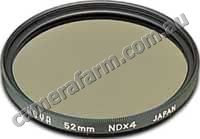 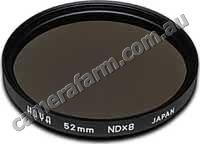 |
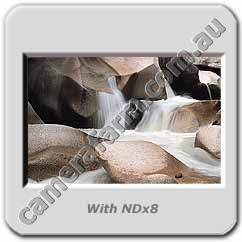 Neutral Density filters are often ignored by photographers, but they have several uses and offer the possibility to achieve otherwise unachievable results. ND filters appear grey and reduce the amount of light reaching the film, they have no affect on color balance. They have four main uses:
- To enable slow shutter speeds to be used, especially with fast films, to record movement in subjects such as waterfalls, clouds, cars, seas etc.
- To decrease depth of field by allowing wider apertures to be used, which helps separate subjects from their background.
- To decrease the effective ISO of high speed film (ie: above ISO400) and allow it to be used outdoors in blight situations.
- To allow cine and video cameras (which have fixed shutter speeds) to film subjects such as snow, sand or other bright scenes which would normally cause over-exposure.
|
NDx2 |
NDx4 |
NDx8 |
Shutter Spped/
Aperture Decrease |
1 Stop |
2 Stops |
3 Stops |
ISO Film Speed
Decrease
i.e. ISO800 |
1/2
ISO400 |
1/4
ISO200 |
1/8
ISO100 |
|
|
|
|
|
02/10
|
Hoya Colour Conversion Filter 82B, HMC - 72mm

These are light balancing filters used to increase the color temperature slightly for a cooler (bluer) tone.
Corrects the tendency toward reddish tones. For example, select the 82B when using tungsten Type B color film (3200K) with ordinary household 100W electric bulbs (2900K). These series filters are also used to prevent the reddish tones in early morning or late evening light for natural skin tones. These filters can be used together, but do not mix 81 and 82 series filters since they cancel out each other. |
 These popular filters are renowned for their ability to minimise reflection at the filter surfaces which reduces flare and ghosting. The result is an average light transmission of over 97%, giving sharp contrast and well balanced color. HOYA HMC filters are recommended for enhancing the performance of today's multicoated lenses. |
|
|
|
|
02/10
|
Hoya Neutral Density 2x Filter - 86mm Hoya Neutral Density 2x Filter - 86mm

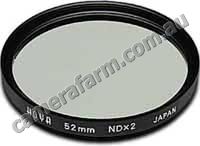 In conditions of extreme light intensity, such as sunshine on snowy mountains or on the beach, or when using a camcorder, ND (Neutral Density) filters are recommended as essential. |
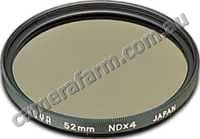 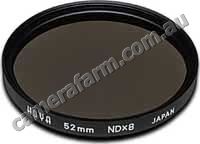 |
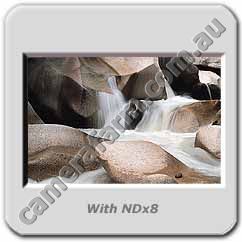 Neutral Density filters are often ignored by photographers, but they have several uses and offer the possibility to achieve otherwise unachievable results. ND filters appear grey and reduce the amount of light reaching the film, they have no affect on color balance. They have four main uses:
- To enable slow shutter speeds to be used, especially with fast films, to record movement in subjects such as waterfalls, clouds, cars, seas etc.
- To decrease depth of field by allowing wider apertures to be used, which helps separate subjects from their background.
- To decrease the effective ISO of high speed film (ie: above ISO400) and allow it to be used outdoors in blight situations.
- To allow cine and video cameras (which have fixed shutter speeds) to film subjects such as snow, sand or other bright scenes which would normally cause over-exposure.
|
NDx2 |
NDx4 |
NDx8 |
Shutter Spped/
Aperture Decrease |
1 Stop |
2 Stops |
3 Stops |
ISO Film Speed
Decrease
i.e. ISO800 |
1/2
ISO400 |
1/4
ISO200 |
1/8
ISO100 |
|
|
|
|
|
02/10
|
Hoya Neutral Density 2x Filter - 82mm Hoya Neutral Density 2x Filter - 82mm

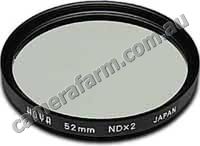 In conditions of extreme light intensity, such as sunshine on snowy mountains or on the beach, or when using a camcorder, ND (Neutral Density) filters are recommended as essential. |
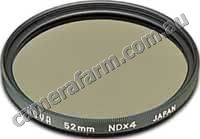 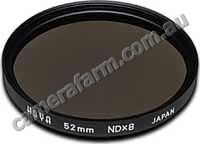 |
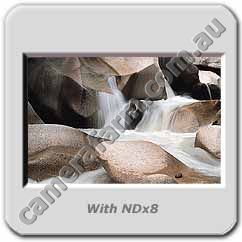 Neutral Density filters are often ignored by photographers, but they have several uses and offer the possibility to achieve otherwise unachievable results. ND filters appear grey and reduce the amount of light reaching the film, they have no affect on color balance. They have four main uses:
- To enable slow shutter speeds to be used, especially with fast films, to record movement in subjects such as waterfalls, clouds, cars, seas etc.
- To decrease depth of field by allowing wider apertures to be used, which helps separate subjects from their background.
- To decrease the effective ISO of high speed film (ie: above ISO400) and allow it to be used outdoors in blight situations.
- To allow cine and video cameras (which have fixed shutter speeds) to film subjects such as snow, sand or other bright scenes which would normally cause over-exposure.
|
NDx2 |
NDx4 |
NDx8 |
Shutter Spped/
Aperture Decrease |
1 Stop |
2 Stops |
3 Stops |
ISO Film Speed
Decrease
i.e. ISO800 |
1/2
ISO400 |
1/4
ISO200 |
1/8
ISO100 |
|
|
|
|
|
02/10
|
Hoya Neutral Density 2x Filter - 77mm Hoya Neutral Density 2x Filter - 77mm

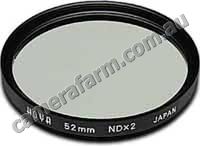 In conditions of extreme light intensity, such as sunshine on snowy mountains or on the beach, or when using a camcorder, ND (Neutral Density) filters are recommended as essential. |
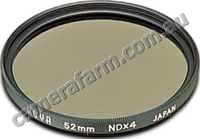 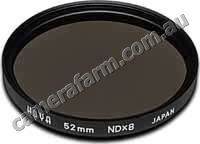 |
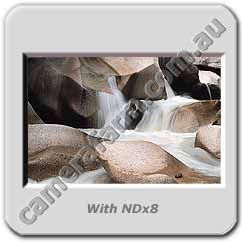 Neutral Density filters are often ignored by photographers, but they have several uses and offer the possibility to achieve otherwise unachievable results. ND filters appear grey and reduce the amount of light reaching the film, they have no affect on color balance. They have four main uses:
- To enable slow shutter speeds to be used, especially with fast films, to record movement in subjects such as waterfalls, clouds, cars, seas etc.
- To decrease depth of field by allowing wider apertures to be used, which helps separate subjects from their background.
- To decrease the effective ISO of high speed film (ie: above ISO400) and allow it to be used outdoors in blight situations.
- To allow cine and video cameras (which have fixed shutter speeds) to film subjects such as snow, sand or other bright scenes which would normally cause over-exposure.
|
NDx2 |
NDx4 |
NDx8 |
Shutter Spped/
Aperture Decrease |
1 Stop |
2 Stops |
3 Stops |
ISO Film Speed
Decrease
i.e. ISO800 |
1/2
ISO400 |
1/4
ISO200 |
1/8
ISO100 |
|
|
|
|
|
02/10
|
Hoya Neutral Density 2x Filter - 72mm Hoya Neutral Density 2x Filter - 72mm

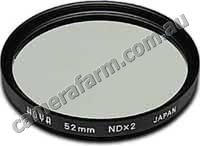 In conditions of extreme light intensity, such as sunshine on snowy mountains or on the beach, or when using a camcorder, ND (Neutral Density) filters are recommended as essential. |
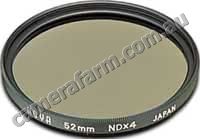 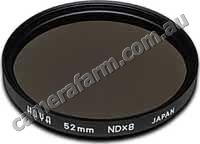 |
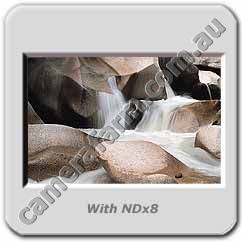 Neutral Density filters are often ignored by photographers, but they have several uses and offer the possibility to achieve otherwise unachievable results. ND filters appear grey and reduce the amount of light reaching the film, they have no affect on color balance. They have four main uses:
- To enable slow shutter speeds to be used, especially with fast films, to record movement in subjects such as waterfalls, clouds, cars, seas etc.
- To decrease depth of field by allowing wider apertures to be used, which helps separate subjects from their background.
- To decrease the effective ISO of high speed film (ie: above ISO400) and allow it to be used outdoors in blight situations.
- To allow cine and video cameras (which have fixed shutter speeds) to film subjects such as snow, sand or other bright scenes which would normally cause over-exposure.
|
NDx2 |
NDx4 |
NDx8 |
Shutter Spped/
Aperture Decrease |
1 Stop |
2 Stops |
3 Stops |
ISO Film Speed
Decrease
i.e. ISO800 |
1/2
ISO400 |
1/4
ISO200 |
1/8
ISO100 |
|
|
|
|
|
02/10
|
Hoya Neutral Density 2x Filter - 67mm Hoya Neutral Density 2x Filter - 67mm

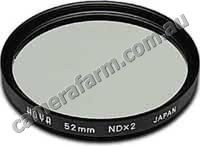 In conditions of extreme light intensity, such as sunshine on snowy mountains or on the beach, or when using a camcorder, ND (Neutral Density) filters are recommended as essential. |
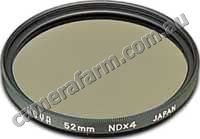 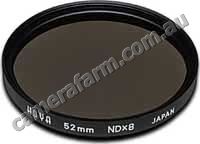 |
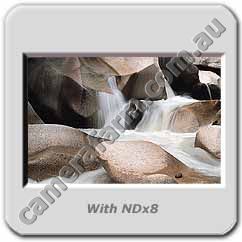 Neutral Density filters are often ignored by photographers, but they have several uses and offer the possibility to achieve otherwise unachievable results. ND filters appear grey and reduce the amount of light reaching the film, they have no affect on color balance. They have four main uses:
- To enable slow shutter speeds to be used, especially with fast films, to record movement in subjects such as waterfalls, clouds, cars, seas etc.
- To decrease depth of field by allowing wider apertures to be used, which helps separate subjects from their background.
- To decrease the effective ISO of high speed film (ie: above ISO400) and allow it to be used outdoors in blight situations.
- To allow cine and video cameras (which have fixed shutter speeds) to film subjects such as snow, sand or other bright scenes which would normally cause over-exposure.
|
NDx2 |
NDx4 |
NDx8 |
Shutter Spped/
Aperture Decrease |
1 Stop |
2 Stops |
3 Stops |
ISO Film Speed
Decrease
i.e. ISO800 |
1/2
ISO400 |
1/4
ISO200 |
1/8
ISO100 |
|
|
|
|
|
02/10
|
Hoya Neutral Density 2x Filter - 62mm Hoya Neutral Density 2x Filter - 62mm

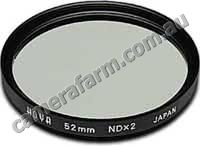 In conditions of extreme light intensity, such as sunshine on snowy mountains or on the beach, or when using a camcorder, ND (Neutral Density) filters are recommended as essential. |
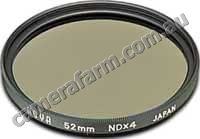 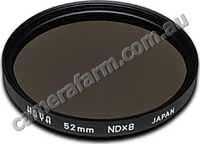 |
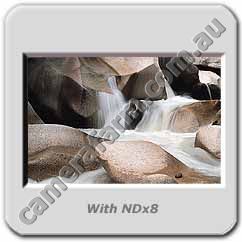 Neutral Density filters are often ignored by photographers, but they have several uses and offer the possibility to achieve otherwise unachievable results. ND filters appear grey and reduce the amount of light reaching the film, they have no affect on color balance. They have four main uses:
- To enable slow shutter speeds to be used, especially with fast films, to record movement in subjects such as waterfalls, clouds, cars, seas etc.
- To decrease depth of field by allowing wider apertures to be used, which helps separate subjects from their background.
- To decrease the effective ISO of high speed film (ie: above ISO400) and allow it to be used outdoors in blight situations.
- To allow cine and video cameras (which have fixed shutter speeds) to film subjects such as snow, sand or other bright scenes which would normally cause over-exposure.
|
NDx2 |
NDx4 |
NDx8 |
Shutter Spped/
Aperture Decrease |
1 Stop |
2 Stops |
3 Stops |
ISO Film Speed
Decrease
i.e. ISO800 |
1/2
ISO400 |
1/4
ISO200 |
1/8
ISO100 |
|
|
|
|
|
02/10
|
Hoya Neutral Density 2x Filter - B60 Hoya Neutral Density 2x Filter - B60

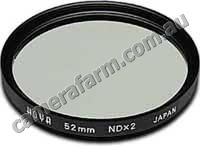 In conditions of extreme light intensity, such as sunshine on snowy mountains or on the beach, or when using a camcorder, ND (Neutral Density) filters are recommended as essential. |
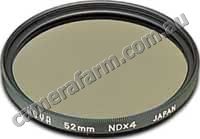 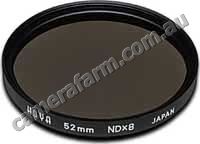 |
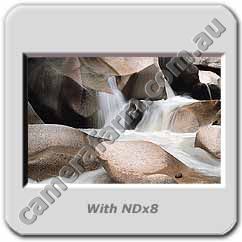 Neutral Density filters are often ignored by photographers, but they have several uses and offer the possibility to achieve otherwise unachievable results. ND filters appear grey and reduce the amount of light reaching the film, they have no affect on color balance. They have four main uses:
- To enable slow shutter speeds to be used, especially with fast films, to record movement in subjects such as waterfalls, clouds, cars, seas etc.
- To decrease depth of field by allowing wider apertures to be used, which helps separate subjects from their background.
- To decrease the effective ISO of high speed film (ie: above ISO400) and allow it to be used outdoors in blight situations.
- To allow cine and video cameras (which have fixed shutter speeds) to film subjects such as snow, sand or other bright scenes which would normally cause over-exposure.
|
NDx2 |
NDx4 |
NDx8 |
Shutter Spped/
Aperture Decrease |
1 Stop |
2 Stops |
3 Stops |
ISO Film Speed
Decrease
i.e. ISO800 |
1/2
ISO400 |
1/4
ISO200 |
1/8
ISO100 |
|
|
|
|
|
02/10
|
Hoya Neutral Density 2x Filter - 58mm Hoya Neutral Density 2x Filter - 58mm

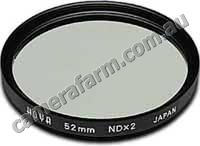 In conditions of extreme light intensity, such as sunshine on snowy mountains or on the beach, or when using a camcorder, ND (Neutral Density) filters are recommended as essential. |
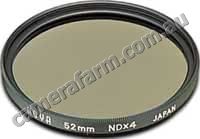 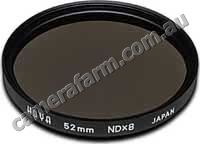 |
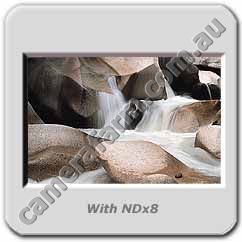 Neutral Density filters are often ignored by photographers, but they have several uses and offer the possibility to achieve otherwise unachievable results. ND filters appear grey and reduce the amount of light reaching the film, they have no affect on color balance. They have four main uses:
- To enable slow shutter speeds to be used, especially with fast films, to record movement in subjects such as waterfalls, clouds, cars, seas etc.
- To decrease depth of field by allowing wider apertures to be used, which helps separate subjects from their background.
- To decrease the effective ISO of high speed film (ie: above ISO400) and allow it to be used outdoors in blight situations.
- To allow cine and video cameras (which have fixed shutter speeds) to film subjects such as snow, sand or other bright scenes which would normally cause over-exposure.
|
NDx2 |
NDx4 |
NDx8 |
Shutter Spped/
Aperture Decrease |
1 Stop |
2 Stops |
3 Stops |
ISO Film Speed
Decrease
i.e. ISO800 |
1/2
ISO400 |
1/4
ISO200 |
1/8
ISO100 |
|
|
|
|
|
02/10
|
Hoya Neutral Density 2x Filter - 55mm Hoya Neutral Density 2x Filter - 55mm

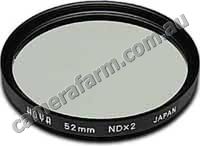 In conditions of extreme light intensity, such as sunshine on snowy mountains or on the beach, or when using a camcorder, ND (Neutral Density) filters are recommended as essential. |
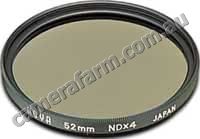 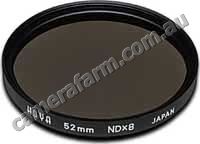 |
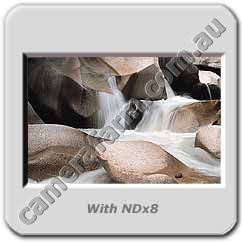 Neutral Density filters are often ignored by photographers, but they have several uses and offer the possibility to achieve otherwise unachievable results. ND filters appear grey and reduce the amount of light reaching the film, they have no affect on color balance. They have four main uses:
- To enable slow shutter speeds to be used, especially with fast films, to record movement in subjects such as waterfalls, clouds, cars, seas etc.
- To decrease depth of field by allowing wider apertures to be used, which helps separate subjects from their background.
- To decrease the effective ISO of high speed film (ie: above ISO400) and allow it to be used outdoors in blight situations.
- To allow cine and video cameras (which have fixed shutter speeds) to film subjects such as snow, sand or other bright scenes which would normally cause over-exposure.
|
NDx2 |
NDx4 |
NDx8 |
Shutter Spped/
Aperture Decrease |
1 Stop |
2 Stops |
3 Stops |
ISO Film Speed
Decrease
i.e. ISO800 |
1/2
ISO400 |
1/4
ISO200 |
1/8
ISO100 |
|
|
|
|
|
02/10
|
Hoya Neutral Density 2x Filter - 52mm Hoya Neutral Density 2x Filter - 52mm

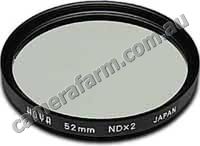 In conditions of extreme light intensity, such as sunshine on snowy mountains or on the beach, or when using a camcorder, ND (Neutral Density) filters are recommended as essential. |
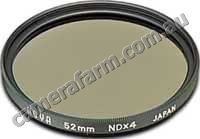 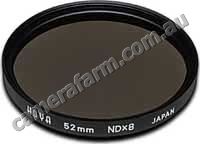 |
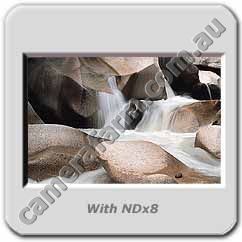 Neutral Density filters are often ignored by photographers, but they have several uses and offer the possibility to achieve otherwise unachievable results. ND filters appear grey and reduce the amount of light reaching the film, they have no affect on color balance. They have four main uses:
- To enable slow shutter speeds to be used, especially with fast films, to record movement in subjects such as waterfalls, clouds, cars, seas etc.
- To decrease depth of field by allowing wider apertures to be used, which helps separate subjects from their background.
- To decrease the effective ISO of high speed film (ie: above ISO400) and allow it to be used outdoors in blight situations.
- To allow cine and video cameras (which have fixed shutter speeds) to film subjects such as snow, sand or other bright scenes which would normally cause over-exposure.
|
NDx2 |
NDx4 |
NDx8 |
Shutter Spped/
Aperture Decrease |
1 Stop |
2 Stops |
3 Stops |
ISO Film Speed
Decrease
i.e. ISO800 |
1/2
ISO400 |
1/4
ISO200 |
1/8
ISO100 |
|
|
|
|
|
02/10
|
Hoya Neutral Density 2x Filter - B50 Hoya Neutral Density 2x Filter - B50

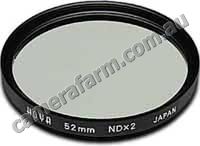 In conditions of extreme light intensity, such as sunshine on snowy mountains or on the beach, or when using a camcorder, ND (Neutral Density) filters are recommended as essential. |
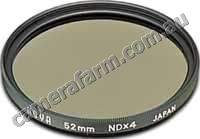 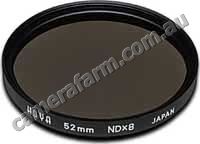 |
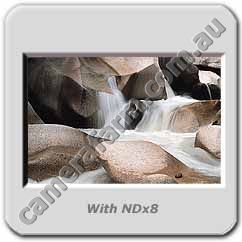 Neutral Density filters are often ignored by photographers, but they have several uses and offer the possibility to achieve otherwise unachievable results. ND filters appear grey and reduce the amount of light reaching the film, they have no affect on color balance. They have four main uses:
- To enable slow shutter speeds to be used, especially with fast films, to record movement in subjects such as waterfalls, clouds, cars, seas etc.
- To decrease depth of field by allowing wider apertures to be used, which helps separate subjects from their background.
- To decrease the effective ISO of high speed film (ie: above ISO400) and allow it to be used outdoors in blight situations.
- To allow cine and video cameras (which have fixed shutter speeds) to film subjects such as snow, sand or other bright scenes which would normally cause over-exposure.
|
NDx2 |
NDx4 |
NDx8 |
Shutter Spped/
Aperture Decrease |
1 Stop |
2 Stops |
3 Stops |
ISO Film Speed
Decrease
i.e. ISO800 |
1/2
ISO400 |
1/4
ISO200 |
1/8
ISO100 |
|
|
|
|
|
02/10
|
Hoya Neutral Density 2x Filter - 49mm Hoya Neutral Density 2x Filter - 49mm

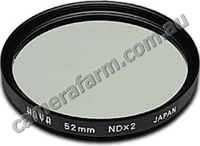 In conditions of extreme light intensity, such as sunshine on snowy mountains or on the beach, or when using a camcorder, ND (Neutral Density) filters are recommended as essential. |
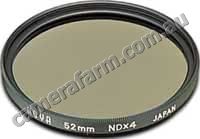 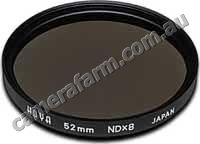 |
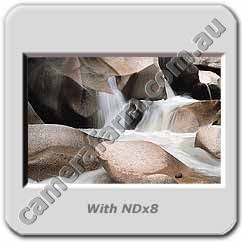 Neutral Density filters are often ignored by photographers, but they have several uses and offer the possibility to achieve otherwise unachievable results. ND filters appear grey and reduce the amount of light reaching the film, they have no affect on color balance. They have four main uses:
- To enable slow shutter speeds to be used, especially with fast films, to record movement in subjects such as waterfalls, clouds, cars, seas etc.
- To decrease depth of field by allowing wider apertures to be used, which helps separate subjects from their background.
- To decrease the effective ISO of high speed film (ie: above ISO400) and allow it to be used outdoors in blight situations.
- To allow cine and video cameras (which have fixed shutter speeds) to film subjects such as snow, sand or other bright scenes which would normally cause over-exposure.
|
NDx2 |
NDx4 |
NDx8 |
Shutter Spped/
Aperture Decrease |
1 Stop |
2 Stops |
3 Stops |
ISO Film Speed
Decrease
i.e. ISO800 |
1/2
ISO400 |
1/4
ISO200 |
1/8
ISO100 |
|
|
|
|
|
02/10
|
Hoya Neutral Density 2x Filter - 48mm Hoya Neutral Density 2x Filter - 48mm

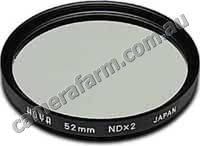 In conditions of extreme light intensity, such as sunshine on snowy mountains or on the beach, or when using a camcorder, ND (Neutral Density) filters are recommended as essential. |
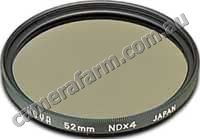 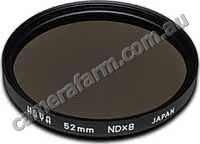 |
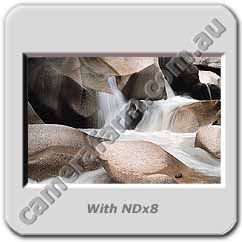 Neutral Density filters are often ignored by photographers, but they have several uses and offer the possibility to achieve otherwise unachievable results. ND filters appear grey and reduce the amount of light reaching the film, they have no affect on color balance. They have four main uses:
- To enable slow shutter speeds to be used, especially with fast films, to record movement in subjects such as waterfalls, clouds, cars, seas etc.
- To decrease depth of field by allowing wider apertures to be used, which helps separate subjects from their background.
- To decrease the effective ISO of high speed film (ie: above ISO400) and allow it to be used outdoors in blight situations.
- To allow cine and video cameras (which have fixed shutter speeds) to film subjects such as snow, sand or other bright scenes which would normally cause over-exposure.
|
NDx2 |
NDx4 |
NDx8 |
Shutter Spped/
Aperture Decrease |
1 Stop |
2 Stops |
3 Stops |
ISO Film Speed
Decrease
i.e. ISO800 |
1/2
ISO400 |
1/4
ISO200 |
1/8
ISO100 |
|
|
|
|
|
02/10
|
Hoya Colour Conversion Filter 82B, HMC - 67mm

These are light balancing filters used to increase the color temperature slightly for a cooler (bluer) tone.
Corrects the tendency toward reddish tones. For example, select the 82B when using tungsten Type B color film (3200K) with ordinary household 100W electric bulbs (2900K). These series filters are also used to prevent the reddish tones in early morning or late evening light for natural skin tones. These filters can be used together, but do not mix 81 and 82 series filters since they cancel out each other. |
 These popular filters are renowned for their ability to minimise reflection at the filter surfaces which reduces flare and ghosting. The result is an average light transmission of over 97%, giving sharp contrast and well balanced color. HOYA HMC filters are recommended for enhancing the performance of today's multicoated lenses. |
|
|
|
|
02/10
|
Hoya Neutral Density 2x Filter - 46mm Hoya Neutral Density 2x Filter - 46mm

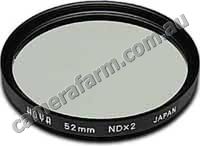 In conditions of extreme light intensity, such as sunshine on snowy mountains or on the beach, or when using a camcorder, ND (Neutral Density) filters are recommended as essential. |
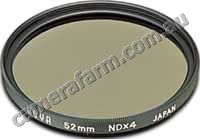 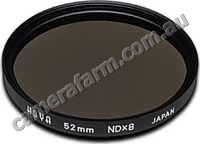 |
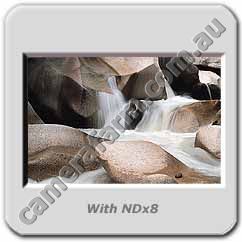 Neutral Density filters are often ignored by photographers, but they have several uses and offer the possibility to achieve otherwise unachievable results. ND filters appear grey and reduce the amount of light reaching the film, they have no affect on color balance. They have four main uses:
- To enable slow shutter speeds to be used, especially with fast films, to record movement in subjects such as waterfalls, clouds, cars, seas etc.
- To decrease depth of field by allowing wider apertures to be used, which helps separate subjects from their background.
- To decrease the effective ISO of high speed film (ie: above ISO400) and allow it to be used outdoors in blight situations.
- To allow cine and video cameras (which have fixed shutter speeds) to film subjects such as snow, sand or other bright scenes which would normally cause over-exposure.
|
NDx2 |
NDx4 |
NDx8 |
Shutter Spped/
Aperture Decrease |
1 Stop |
2 Stops |
3 Stops |
ISO Film Speed
Decrease
i.e. ISO800 |
1/2
ISO400 |
1/4
ISO200 |
1/8
ISO100 |
|
|
|
|
|
02/10
|
Hoya Neutral Density 2x Filter - 43.5mm Hoya Neutral Density 2x Filter - 43.5mm

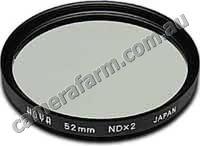 In conditions of extreme light intensity, such as sunshine on snowy mountains or on the beach, or when using a camcorder, ND (Neutral Density) filters are recommended as essential. |
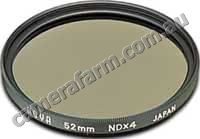 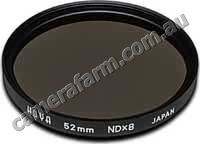 |
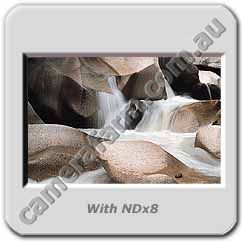 Neutral Density filters are often ignored by photographers, but they have several uses and offer the possibility to achieve otherwise unachievable results. ND filters appear grey and reduce the amount of light reaching the film, they have no affect on color balance. They have four main uses:
- To enable slow shutter speeds to be used, especially with fast films, to record movement in subjects such as waterfalls, clouds, cars, seas etc.
- To decrease depth of field by allowing wider apertures to be used, which helps separate subjects from their background.
- To decrease the effective ISO of high speed film (ie: above ISO400) and allow it to be used outdoors in blight situations.
- To allow cine and video cameras (which have fixed shutter speeds) to film subjects such as snow, sand or other bright scenes which would normally cause over-exposure.
|
NDx2 |
NDx4 |
NDx8 |
Shutter Spped/
Aperture Decrease |
1 Stop |
2 Stops |
3 Stops |
ISO Film Speed
Decrease
i.e. ISO800 |
1/2
ISO400 |
1/4
ISO200 |
1/8
ISO100 |
|
|
|
|
|
02/10
|
Hoya Neutral Density 2x Filter - 43mm Hoya Neutral Density 2x Filter - 43mm

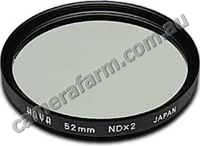 In conditions of extreme light intensity, such as sunshine on snowy mountains or on the beach, or when using a camcorder, ND (Neutral Density) filters are recommended as essential. |
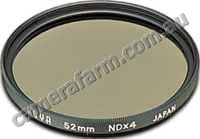 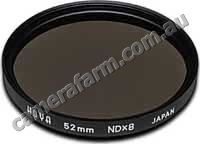 |
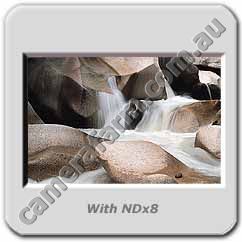 Neutral Density filters are often ignored by photographers, but they have several uses and offer the possibility to achieve otherwise unachievable results. ND filters appear grey and reduce the amount of light reaching the film, they have no affect on color balance. They have four main uses:
- To enable slow shutter speeds to be used, especially with fast films, to record movement in subjects such as waterfalls, clouds, cars, seas etc.
- To decrease depth of field by allowing wider apertures to be used, which helps separate subjects from their background.
- To decrease the effective ISO of high speed film (ie: above ISO400) and allow it to be used outdoors in blight situations.
- To allow cine and video cameras (which have fixed shutter speeds) to film subjects such as snow, sand or other bright scenes which would normally cause over-exposure.
|
NDx2 |
NDx4 |
NDx8 |
Shutter Spped/
Aperture Decrease |
1 Stop |
2 Stops |
3 Stops |
ISO Film Speed
Decrease
i.e. ISO800 |
1/2
ISO400 |
1/4
ISO200 |
1/8
ISO100 |
|
|
|
|
|
02/10
|
Hoya Colour Conversion Filter 82B, HMC - 62mm

These are light balancing filters used to increase the color temperature slightly for a cooler (bluer) tone.
Corrects the tendency toward reddish tones. For example, select the 82B when using tungsten Type B color film (3200K) with ordinary household 100W electric bulbs (2900K). These series filters are also used to prevent the reddish tones in early morning or late evening light for natural skin tones. These filters can be used together, but do not mix 81 and 82 series filters since they cancel out each other. |
 These popular filters are renowned for their ability to minimise reflection at the filter surfaces which reduces flare and ghosting. The result is an average light transmission of over 97%, giving sharp contrast and well balanced color. HOYA HMC filters are recommended for enhancing the performance of today's multicoated lenses. |
|
|
|
|
02/10
|
Hoya Neutral Density 2x Filter - 40.5mm Hoya Neutral Density 2x Filter - 40.5mm

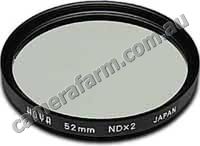 In conditions of extreme light intensity, such as sunshine on snowy mountains or on the beach, or when using a camcorder, ND (Neutral Density) filters are recommended as essential. |
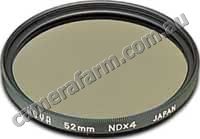 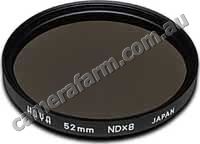 |
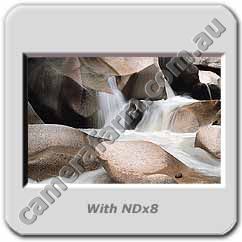 Neutral Density filters are often ignored by photographers, but they have several uses and offer the possibility to achieve otherwise unachievable results. ND filters appear grey and reduce the amount of light reaching the film, they have no affect on color balance. They have four main uses:
- To enable slow shutter speeds to be used, especially with fast films, to record movement in subjects such as waterfalls, clouds, cars, seas etc.
- To decrease depth of field by allowing wider apertures to be used, which helps separate subjects from their background.
- To decrease the effective ISO of high speed film (ie: above ISO400) and allow it to be used outdoors in blight situations.
- To allow cine and video cameras (which have fixed shutter speeds) to film subjects such as snow, sand or other bright scenes which would normally cause over-exposure.
|
NDx2 |
NDx4 |
NDx8 |
Shutter Spped/
Aperture Decrease |
1 Stop |
2 Stops |
3 Stops |
ISO Film Speed
Decrease
i.e. ISO800 |
1/2
ISO400 |
1/4
ISO200 |
1/8
ISO100 |
|
|
|
|
|
02/10
|
Hoya Colour Conversion Filter 82B, HMC - Bayonet 60 (newer/current Hasselblad lenses)

These are light balancing filters used to increase the color temperature slightly for a cooler (bluer) tone.
Corrects the tendency toward reddish tones. For example, select the 82B when using tungsten Type B color film (3200K) with ordinary household 100W electric bulbs (2900K). These series filters are also used to prevent the reddish tones in early morning or late evening light for natural skin tones. These filters can be used together, but do not mix 81 and 82 series filters since they cancel out each other. |
 These popular filters are renowned for their ability to minimise reflection at the filter surfaces which reduces flare and ghosting. The result is an average light transmission of over 97%, giving sharp contrast and well balanced color. HOYA HMC filters are recommended for enhancing the performance of today's multicoated lenses. |
|
|
|
|
02/10
|
Hoya Neutral Density 2x Filter - 35.5mm Hoya Neutral Density 2x Filter - 35.5mm

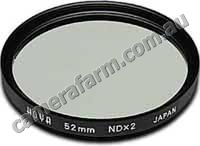 In conditions of extreme light intensity, such as sunshine on snowy mountains or on the beach, or when using a camcorder, ND (Neutral Density) filters are recommended as essential. |
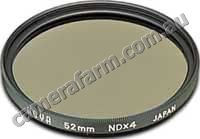 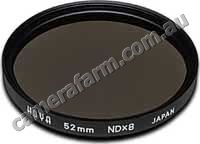 |
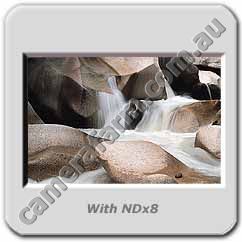 Neutral Density filters are often ignored by photographers, but they have several uses and offer the possibility to achieve otherwise unachievable results. ND filters appear grey and reduce the amount of light reaching the film, they have no affect on color balance. They have four main uses:
- To enable slow shutter speeds to be used, especially with fast films, to record movement in subjects such as waterfalls, clouds, cars, seas etc.
- To decrease depth of field by allowing wider apertures to be used, which helps separate subjects from their background.
- To decrease the effective ISO of high speed film (ie: above ISO400) and allow it to be used outdoors in blight situations.
- To allow cine and video cameras (which have fixed shutter speeds) to film subjects such as snow, sand or other bright scenes which would normally cause over-exposure.
|
NDx2 |
NDx4 |
NDx8 |
Shutter Spped/
Aperture Decrease |
1 Stop |
2 Stops |
3 Stops |
ISO Film Speed
Decrease
i.e. ISO800 |
1/2
ISO400 |
1/4
ISO200 |
1/8
ISO100 |
|
|
|
|
|
02/10
|
Hoya Colour Conversion Filter 82B, HMC - 58mm

These are light balancing filters used to increase the color temperature slightly for a cooler (bluer) tone.
Corrects the tendency toward reddish tones. For example, select the 82B when using tungsten Type B color film (3200K) with ordinary household 100W electric bulbs (2900K). These series filters are also used to prevent the reddish tones in early morning or late evening light for natural skin tones. These filters can be used together, but do not mix 81 and 82 series filters since they cancel out each other. |
 These popular filters are renowned for their ability to minimise reflection at the filter surfaces which reduces flare and ghosting. The result is an average light transmission of over 97%, giving sharp contrast and well balanced color. HOYA HMC filters are recommended for enhancing the performance of today's multicoated lenses. |
|
|
|
|
02/10
|
Hoya Colour Conversion Filter 82B, HMC - 55mm

These are light balancing filters used to increase the color temperature slightly for a cooler (bluer) tone.
Corrects the tendency toward reddish tones. For example, select the 82B when using tungsten Type B color film (3200K) with ordinary household 100W electric bulbs (2900K). These series filters are also used to prevent the reddish tones in early morning or late evening light for natural skin tones. These filters can be used together, but do not mix 81 and 82 series filters since they cancel out each other. |
 These popular filters are renowned for their ability to minimise reflection at the filter surfaces which reduces flare and ghosting. The result is an average light transmission of over 97%, giving sharp contrast and well balanced color. HOYA HMC filters are recommended for enhancing the performance of today's multicoated lenses. |
|
|
|
|
02/10
|
Hoya Colour Conversion Filter 82B, HMC - 52mm

These are light balancing filters used to increase the color temperature slightly for a cooler (bluer) tone.
Corrects the tendency toward reddish tones. For example, select the 82B when using tungsten Type B color film (3200K) with ordinary household 100W electric bulbs (2900K). These series filters are also used to prevent the reddish tones in early morning or late evening light for natural skin tones. These filters can be used together, but do not mix 81 and 82 series filters since they cancel out each other. |
 These popular filters are renowned for their ability to minimise reflection at the filter surfaces which reduces flare and ghosting. The result is an average light transmission of over 97%, giving sharp contrast and well balanced color. HOYA HMC filters are recommended for enhancing the performance of today's multicoated lenses. |
|
|
|
|
02/10
|
Hoya Colour Conversion Filter 82B, HMC - 49mm

These are light balancing filters used to increase the color temperature slightly for a cooler (bluer) tone.
Corrects the tendency toward reddish tones. For example, select the 82B when using tungsten Type B color film (3200K) with ordinary household 100W electric bulbs (2900K). These series filters are also used to prevent the reddish tones in early morning or late evening light for natural skin tones. These filters can be used together, but do not mix 81 and 82 series filters since they cancel out each other. |
 These popular filters are renowned for their ability to minimise reflection at the filter surfaces which reduces flare and ghosting. The result is an average light transmission of over 97%, giving sharp contrast and well balanced color. HOYA HMC filters are recommended for enhancing the performance of today's multicoated lenses. |
|
|
|
|
02/10
|
Hoya Circular Polarising Pro1D DMC Filter - 82mm Hoya Circular Polarising Pro1D DMC Filter - 82mm
|
|
|
Color and contrast enhancement
Light rays which are reflected by any surface can become polarised so polarising filters are used to select which light rays enter your camera lens. CIRCULAR PL filters allow you to remove unwanted reflections from non-metallic surfaces such as water, glass etc. They also enable colors to become more saturated and appear clearer with better contrast. This effect is often used to increase the contrast and saturation in blue skies and white clouds. HOYA's polarising filters do not affect the overall color balance of a shot.
|
|
 |
 |
| With CIRCULAR PL Filter |
Without Filter
|
Reduce Glare and Reflections with the CIRCULAR PL
Using the CIRCULAR PL filter, reflections and glare can be reduced significantly from non-metallic surfaces. A camera angle of 30 degrees from the reflecting surface (glass, water, etc.) is ideal for maximum effect.
 |
|
 |
| With CIRCULAR PL Filter |
Without Filter |
|
|
|
|
02/10
|
Hoya Circular Polarising Pro1D DMC Filter - 77mm Hoya Circular Polarising Pro1D DMC Filter - 77mm
|
|
|
Color and contrast enhancement
Light rays which are reflected by any surface can become polarised so polarising filters are used to select which light rays enter your camera lens. CIRCULAR PL filters allow you to remove unwanted reflections from non-metallic surfaces such as water, glass etc. They also enable colors to become more saturated and appear clearer with better contrast. This effect is often used to increase the contrast and saturation in blue skies and white clouds. HOYA's polarising filters do not affect the overall color balance of a shot.
|
|
|
|
| With CIRCULAR PL Filter |
Without Filter
|
Reduce Glare and Reflections with the CIRCULAR PL
Using the CIRCULAR PL filter, reflections and glare can be reduced significantly from non-metallic surfaces. A camera angle of 30 degrees from the reflecting surface (glass, water, etc.) is ideal for maximum effect.
|
|
|
| With CIRCULAR PL Filter |
Without Filter |
|
|
|
|
02/10
|
Hoya Circular Polarising Pro1D DMC Filter - 72mm Hoya Circular Polarising Pro1D DMC Filter - 72mm
|
|
|
Color and contrast enhancement
Light rays which are reflected by any surface can become polarised so polarising filters are used to select which light rays enter your camera lens. CIRCULAR PL filters allow you to remove unwanted reflections from non-metallic surfaces such as water, glass etc. They also enable colors to become more saturated and appear clearer with better contrast. This effect is often used to increase the contrast and saturation in blue skies and white clouds. HOYA's polarising filters do not affect the overall color balance of a shot.
|
|
|
|
| With CIRCULAR PL Filter |
Without Filter
|
Reduce Glare and Reflections with the CIRCULAR PL
Using the CIRCULAR PL filter, reflections and glare can be reduced significantly from non-metallic surfaces. A camera angle of 30 degrees from the reflecting surface (glass, water, etc.) is ideal for maximum effect.
|
|
|
| With CIRCULAR PL Filter |
Without Filter |
|
|
|
|
02/10
|
Hoya Circular Polarising Pro1D DMC Filter - 67mm Hoya Circular Polarising Pro1D DMC Filter - 67mm
|
|
|
Color and contrast enhancement
Light rays which are reflected by any surface can become polarised so polarising filters are used to select which light rays enter your camera lens. CIRCULAR PL filters allow you to remove unwanted reflections from non-metallic surfaces such as water, glass etc. They also enable colors to become more saturated and appear clearer with better contrast. This effect is often used to increase the contrast and saturation in blue skies and white clouds. HOYA's polarising filters do not affect the overall color balance of a shot.
|
|
|
|
| With CIRCULAR PL Filter |
Without Filter
|
Reduce Glare and Reflections with the CIRCULAR PL
Using the CIRCULAR PL filter, reflections and glare can be reduced significantly from non-metallic surfaces. A camera angle of 30 degrees from the reflecting surface (glass, water, etc.) is ideal for maximum effect.
|
|
|
| With CIRCULAR PL Filter |
Without Filter |
|
|
|
|
02/10
|
Hoya Circular Polarising Pro1D DMC Filter - 62mm Hoya Circular Polarising Pro1D DMC Filter - 62mm
|
|
|
Color and contrast enhancement
Light rays which are reflected by any surface can become polarised so polarising filters are used to select which light rays enter your camera lens. CIRCULAR PL filters allow you to remove unwanted reflections from non-metallic surfaces such as water, glass etc. They also enable colors to become more saturated and appear clearer with better contrast. This effect is often used to increase the contrast and saturation in blue skies and white clouds. HOYA's polarising filters do not affect the overall color balance of a shot.
|
|
|
|
| With CIRCULAR PL Filter |
Without Filter
|
Reduce Glare and Reflections with the CIRCULAR PL
Using the CIRCULAR PL filter, reflections and glare can be reduced significantly from non-metallic surfaces. A camera angle of 30 degrees from the reflecting surface (glass, water, etc.) is ideal for maximum effect.
|
|
|
| With CIRCULAR PL Filter |
Without Filter |
|
|
|
|
02/10
|
Hoya Circular Polarising Pro1D DMC Filter - 58mm Hoya Circular Polarising Pro1D DMC Filter - 58mm
|
|
|
Color and contrast enhancement
Light rays which are reflected by any surface can become polarised so polarising filters are used to select which light rays enter your camera lens. CIRCULAR PL filters allow you to remove unwanted reflections from non-metallic surfaces such as water, glass etc. They also enable colors to become more saturated and appear clearer with better contrast. This effect is often used to increase the contrast and saturation in blue skies and white clouds. HOYA's polarising filters do not affect the overall color balance of a shot.
|
|
|
|
| With CIRCULAR PL Filter |
Without Filter
|
Reduce Glare and Reflections with the CIRCULAR PL
Using the CIRCULAR PL filter, reflections and glare can be reduced significantly from non-metallic surfaces. A camera angle of 30 degrees from the reflecting surface (glass, water, etc.) is ideal for maximum effect.
|
|
|
| With CIRCULAR PL Filter |
Without Filter |
|
|
|
|
02/10
|
Hoya Colour Conversion Filter 82B, HMC - 46mm

These are light balancing filters used to increase the color temperature slightly for a cooler (bluer) tone.
Corrects the tendency toward reddish tones. For example, select the 82B when using tungsten Type B color film (3200K) with ordinary household 100W electric bulbs (2900K). These series filters are also used to prevent the reddish tones in early morning or late evening light for natural skin tones. These filters can be used together, but do not mix 81 and 82 series filters since they cancel out each other. |
 These popular filters are renowned for their ability to minimise reflection at the filter surfaces which reduces flare and ghosting. The result is an average light transmission of over 97%, giving sharp contrast and well balanced color. HOYA HMC filters are recommended for enhancing the performance of today's multicoated lenses. |
|
|
|
|
02/10
|
Hoya Colour Conversion Filter 82B - 86mm
These are light balancing filters used to increase the color temperature slightly for a cooler (bluer) tone.
Corrects the tendency toward reddish tones. For example, select the 82B when using tungsten Type B color film (3200K) with ordinary household 100W electric bulbs (2900K). These series filters are also used to prevent the reddish tones in early morning or late evening light for natural skin tones. These filters can be used together, but do not mix 81 and 82 series filters since they cancel out each other. |
|
|
|
|
02/10
|
Hoya Colour Conversion Fitler 82B - 82mm
These are light balancing filters used to increase the color temperature slightly for a cooler (bluer) tone.
Corrects the tendency toward reddish tones. For example, select the 82B when using tungsten Type B color film (3200K) with ordinary household 100W electric bulbs (2900K). These series filters are also used to prevent the reddish tones in early morning or late evening light for natural skin tones. These filters can be used together, but do not mix 81 and 82 series filters since they cancel out each other. |
|
|
|
|
02/10
|
Hoya Colour Conversion Filter 82B - 77mm
These are light balancing filters used to increase the color temperature slightly for a cooler (bluer) tone.
Corrects the tendency toward reddish tones. For example, select the 82B when using tungsten Type B color film (3200K) with ordinary household 100W electric bulbs (2900K). These series filters are also used to prevent the reddish tones in early morning or late evening light for natural skin tones. These filters can be used together, but do not mix 81 and 82 series filters since they cancel out each other. |
|
|
|
|
02/10
|
Hoya Colour Conversion Filter 82B - 72mm
These are light balancing filters used to increase the color temperature slightly for a cooler (bluer) tone.
Corrects the tendency toward reddish tones. For example, select the 82B when using tungsten Type B color film (3200K) with ordinary household 100W electric bulbs (2900K). These series filters are also used to prevent the reddish tones in early morning or late evening light for natural skin tones. These filters can be used together, but do not mix 81 and 82 series filters since they cancel out each other. |
|
|
|
|
02/10
|
Hoya Colour Conversion Filter 82B - 67mm
These are light balancing filters used to increase the color temperature slightly for a cooler (bluer) tone.
Corrects the tendency toward reddish tones. For example, select the 82B when using tungsten Type B color film (3200K) with ordinary household 100W electric bulbs (2900K). These series filters are also used to prevent the reddish tones in early morning or late evening light for natural skin tones. These filters can be used together, but do not mix 81 and 82 series filters since they cancel out each other. |
|
|
|
|
02/10
|
Hoya Colour Conversion Filter 82B - 62mm
These are light balancing filters used to increase the color temperature slightly for a cooler (bluer) tone.
Corrects the tendency toward reddish tones. For example, select the 82B when using tungsten Type B color film (3200K) with ordinary household 100W electric bulbs (2900K). These series filters are also used to prevent the reddish tones in early morning or late evening light for natural skin tones. These filters can be used together, but do not mix 81 and 82 series filters since they cancel out each other. |
|
|
|
|
02/10
|
Hoya Colour Conversion Filter 82B - Bayonet 60 (newer/current Hasselblad lenses)
These are light balancing filters used to increase the color temperature slightly for a cooler (bluer) tone.
Corrects the tendency toward reddish tones. For example, select the 82B when using tungsten Type B color film (3200K) with ordinary household 100W electric bulbs (2900K). These series filters are also used to prevent the reddish tones in early morning or late evening light for natural skin tones. These filters can be used together, but do not mix 81 and 82 series filters since they cancel out each other. |
|
|
|
|
02/10
|
Hoya Colour Conversion Filter 82B - 58mm
These are light balancing filters used to increase the color temperature slightly for a cooler (bluer) tone.
Corrects the tendency toward reddish tones. For example, select the 82B when using tungsten Type B color film (3200K) with ordinary household 100W electric bulbs (2900K). These series filters are also used to prevent the reddish tones in early morning or late evening light for natural skin tones. These filters can be used together, but do not mix 81 and 82 series filters since they cancel out each other. |
|
|
|
|
02/10
|
Hoya Colour Conversion Filter 82B - 55mm
These are light balancing filters used to increase the color temperature slightly for a cooler (bluer) tone.
Corrects the tendency toward reddish tones. For example, select the 82B when using tungsten Type B color film (3200K) with ordinary household 100W electric bulbs (2900K). These series filters are also used to prevent the reddish tones in early morning or late evening light for natural skin tones. These filters can be used together, but do not mix 81 and 82 series filters since they cancel out each other. |
|
|
|
|
02/10
|
Hoya Colour Conversion Filter 82B - 52mm
These are light balancing filters used to increase the color temperature slightly for a cooler (bluer) tone.
Corrects the tendency toward reddish tones. For example, select the 82B when using tungsten Type B color film (3200K) with ordinary household 100W electric bulbs (2900K). These series filters are also used to prevent the reddish tones in early morning or late evening light for natural skin tones. These filters can be used together, but do not mix 81 and 82 series filters since they cancel out each other. |
|
|
|
|
02/10
|
Hoya Colour Conversion Filter 82B - Bayonet 50 (older Hasselblad lenses)
These are light balancing filters used to increase the color temperature slightly for a cooler (bluer) tone.
Corrects the tendency toward reddish tones. For example, select the 82B when using tungsten Type B color film (3200K) with ordinary household 100W electric bulbs (2900K). These series filters are also used to prevent the reddish tones in early morning or late evening light for natural skin tones. These filters can be used together, but do not mix 81 and 82 series filters since they cancel out each other. |
|
|
|
|
02/10
|
Hoya Circular Polarising Pro1D DMC Filter - 55mm Hoya Circular Polarising Pro1D DMC Filter - 55mm
|

|
|
|
02/10
|
Hoya Circular Polarising Pro1D DMC Filter - 52mm Hoya Circular Polarising Pro1D DMC Filter - 52mm
|
|
|
Color and contrast enhancement
Light rays which are reflected by any surface can become polarised so polarising filters are used to select which light rays enter your camera lens. CIRCULAR PL filters allow you to remove unwanted reflections from non-metallic surfaces such as water, glass etc. They also enable colors to become more saturated and appear clearer with better contrast. This effect is often used to increase the contrast and saturation in blue skies and white clouds. HOYA's polarising filters do not affect the overall color balance of a shot.
|
|
|
|
| With CIRCULAR PL Filter |
Without Filter
|
Reduce Glare and Reflections with the CIRCULAR PL
Using the CIRCULAR PL filter, reflections and glare can be reduced significantly from non-metallic surfaces. A camera angle of 30 degrees from the reflecting surface (glass, water, etc.) is ideal for maximum effect.
|
|
|
| With CIRCULAR PL Filter |
Without Filter |
|
|
|
|
02/10
|
Hoya Colour Conversion Filter 82B - 49mm
These are light balancing filters used to increase the color temperature slightly for a cooler (bluer) tone.
Corrects the tendency toward reddish tones. For example, select the 82B when using tungsten Type B color film (3200K) with ordinary household 100W electric bulbs (2900K). These series filters are also used to prevent the reddish tones in early morning or late evening light for natural skin tones. These filters can be used together, but do not mix 81 and 82 series filters since they cancel out each other. |
|
|
|
|
02/10
|
Hoya Colour Conversion Filter 82B - 48mm
These are light balancing filters used to increase the color temperature slightly for a cooler (bluer) tone.
Corrects the tendency toward reddish tones. For example, select the 82B when using tungsten Type B color film (3200K) with ordinary household 100W electric bulbs (2900K). These series filters are also used to prevent the reddish tones in early morning or late evening light for natural skin tones. These filters can be used together, but do not mix 81 and 82 series filters since they cancel out each other. |
|
|
|
|
02/10
|
Hoya Colour Conversion Filter 82B - 46mm
These are light balancing filters used to increase the color temperature slightly for a cooler (bluer) tone.
Corrects the tendency toward reddish tones. For example, select the 82B when using tungsten Type B color film (3200K) with ordinary household 100W electric bulbs (2900K). These series filters are also used to prevent the reddish tones in early morning or late evening light for natural skin tones. These filters can be used together, but do not mix 81 and 82 series filters since they cancel out each other. |
|
|
|
|
02/10
|
Hoya Circular Polarising Super HMC Filter - 82mm Hoya Circular Polarising Super HMC Filter - 82mm
These outstanding filters offer revolutionary performance in light transmission and color balance. 12 layers of Super Multicoating are applied to the surfaces of the Skylight 1B and UV(0) models, which produces an average transmission of 99.7%! Coupled with maximum surface precision, this allows increased resistance to flare and stunning images can be recorded at wide apertures without compromising the performance of your lenses. Our ultra thin Circular Polarising filters have seven layers of Multicoating applied to their rear surface to eliminate internal reflections and ghosting. Advanced thin selective film is used to guarantee perfectly polarised light with neutral color balance. Their slim profile of just 5mm avoids any vignetting problems and makes them ideal for use with wide angle lenses. There is no front female thread, but they do accept our push-on lens caps. HOYA Super HMC filters will appeal to the most demanding of photographers who require the ultimate in performance.
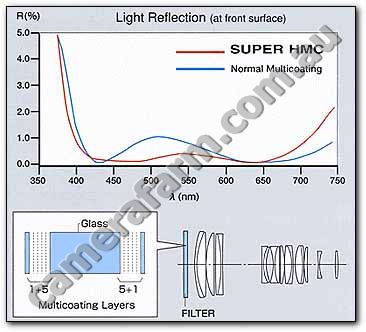
|
|
|
|
02/10
|
Hoya Circular Polarising Super HMC Filter - 77mm Hoya Circular Polarising Super HMC Filter - 77mm
These outstanding filters offer revolutionary performance in light transmission and color balance. 12 layers of Super Multicoating are applied to the surfaces of the Skylight 1B and UV(0) models, which produces an average transmission of 99.7%! Coupled with maximum surface precision, this allows increased resistance to flare and stunning images can be recorded at wide apertures without compromising the performance of your lenses. Our ultra thin Circular Polarising filters have seven layers of Multicoating applied to their rear surface to eliminate internal reflections and ghosting. Advanced thin selective film is used to guarantee perfectly polarised light with neutral color balance. Their slim profile of just 5mm avoids any vignetting problems and makes them ideal for use with wide angle lenses. There is no front female thread, but they do accept our push-on lens caps. HOYA Super HMC filters will appeal to the most demanding of photographers who require the ultimate in performance.
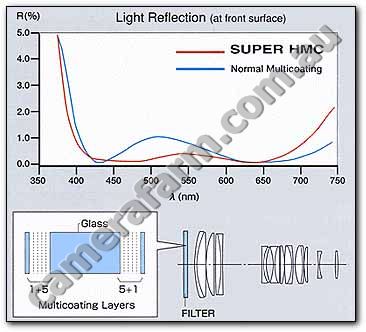
|
|
|
|
02/10
|
Hoya Colour Conversion Filter 82B - 43.5mm
These are light balancing filters used to increase the color temperature slightly for a cooler (bluer) tone.
Corrects the tendency toward reddish tones. For example, select the 82B when using tungsten Type B color film (3200K) with ordinary household 100W electric bulbs (2900K). These series filters are also used to prevent the reddish tones in early morning or late evening light for natural skin tones. These filters can be used together, but do not mix 81 and 82 series filters since they cancel out each other. |
|
|
|
|
02/10
|
Hoya Circular Polarising Super HMC Filter - 72mm Hoya Circular Polarising Super HMC Filter - 72mm
These outstanding filters offer revolutionary performance in light transmission and color balance. 12 layers of Super Multicoating are applied to the surfaces of the Skylight 1B and UV(0) models, which produces an average transmission of 99.7%! Coupled with maximum surface precision, this allows increased resistance to flare and stunning images can be recorded at wide apertures without compromising the performance of your lenses. Our ultra thin Circular Polarising filters have seven layers of Multicoating applied to their rear surface to eliminate internal reflections and ghosting. Advanced thin selective film is used to guarantee perfectly polarised light with neutral color balance. Their slim profile of just 5mm avoids any vignetting problems and makes them ideal for use with wide angle lenses. There is no front female thread, but they do accept our push-on lens caps. HOYA Super HMC filters will appeal to the most demanding of photographers who require the ultimate in performance.
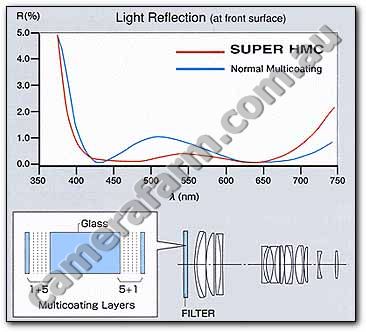
|
|
|
|
02/10
|
Hoya Colour Conversion Filter 82B - 43mm
These are light balancing filters used to increase the color temperature slightly for a cooler (bluer) tone.
Corrects the tendency toward reddish tones. For example, select the 82B when using tungsten Type B color film (3200K) with ordinary household 100W electric bulbs (2900K). These series filters are also used to prevent the reddish tones in early morning or late evening light for natural skin tones. These filters can be used together, but do not mix 81 and 82 series filters since they cancel out each other. |
|
|
|
|
02/10
|
Hoya Circular Polarising Super HMC Filter - 67mm Hoya Circular Polarising Super HMC Filter - 67mm
These outstanding filters offer revolutionary performance in light transmission and color balance. 12 layers of Super Multicoating are applied to the surfaces of the Skylight 1B and UV(0) models, which produces an average transmission of 99.7%! Coupled with maximum surface precision, this allows increased resistance to flare and stunning images can be recorded at wide apertures without compromising the performance of your lenses. Our ultra thin Circular Polarising filters have seven layers of Multicoating applied to their rear surface to eliminate internal reflections and ghosting. Advanced thin selective film is used to guarantee perfectly polarised light with neutral color balance. Their slim profile of just 5mm avoids any vignetting problems and makes them ideal for use with wide angle lenses. There is no front female thread, but they do accept our push-on lens caps. HOYA Super HMC filters will appeal to the most demanding of photographers who require the ultimate in performance.
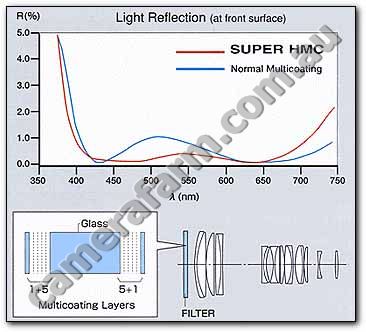
|
|
|
|
02/10
|
Hoya Circular Polarising Super HMC Filter - 62mm Hoya Circular Polarising Super HMC Filter - 62mm
These outstanding filters offer revolutionary performance in light transmission and color balance. 12 layers of Super Multicoating are applied to the surfaces of the Skylight 1B and UV(0) models, which produces an average transmission of 99.7%! Coupled with maximum surface precision, this allows increased resistance to flare and stunning images can be recorded at wide apertures without compromising the performance of your lenses. Our ultra thin Circular Polarising filters have seven layers of Multicoating applied to their rear surface to eliminate internal reflections and ghosting. Advanced thin selective film is used to guarantee perfectly polarised light with neutral color balance. Their slim profile of just 5mm avoids any vignetting problems and makes them ideal for use with wide angle lenses. There is no front female thread, but they do accept our push-on lens caps. HOYA Super HMC filters will appeal to the most demanding of photographers who require the ultimate in performance.
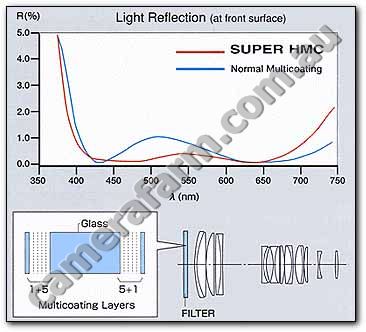
|
|
|
|
02/10
|
Hoya Circular Polarising Super HMC Filter - 58mm Hoya Circular Polarising Super HMC Filter - 58mm
These outstanding filters offer revolutionary performance in light transmission and color balance. 12 layers of Super Multicoating are applied to the surfaces of the Skylight 1B and UV(0) models, which produces an average transmission of 99.7%! Coupled with maximum surface precision, this allows increased resistance to flare and stunning images can be recorded at wide apertures without compromising the performance of your lenses. Our ultra thin Circular Polarising filters have seven layers of Multicoating applied to their rear surface to eliminate internal reflections and ghosting. Advanced thin selective film is used to guarantee perfectly polarised light with neutral color balance. Their slim profile of just 5mm avoids any vignetting problems and makes them ideal for use with wide angle lenses. There is no front female thread, but they do accept our push-on lens caps. HOYA Super HMC filters will appeal to the most demanding of photographers who require the ultimate in performance.
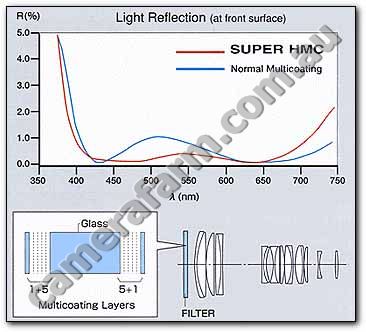
|
|
|
|
02/10
|
Hoya Circular Polarising Super HMC Filter - 55mm Hoya Circular Polarising Super HMC Filter - 55mm
These outstanding filters offer revolutionary performance in light transmission and color balance. 12 layers of Super Multicoating are applied to the surfaces of the Skylight 1B and UV(0) models, which produces an average transmission of 99.7%! Coupled with maximum surface precision, this allows increased resistance to flare and stunning images can be recorded at wide apertures without compromising the performance of your lenses. Our ultra thin Circular Polarising filters have seven layers of Multicoating applied to their rear surface to eliminate internal reflections and ghosting. Advanced thin selective film is used to guarantee perfectly polarised light with neutral color balance. Their slim profile of just 5mm avoids any vignetting problems and makes them ideal for use with wide angle lenses. There is no front female thread, but they do accept our push-on lens caps. HOYA Super HMC filters will appeal to the most demanding of photographers who require the ultimate in performance.
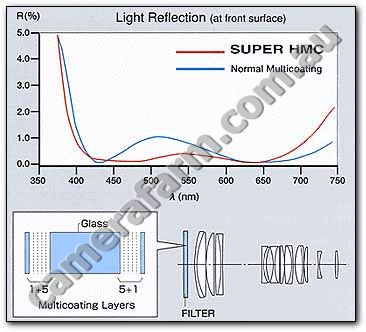
|
|
|
|
02/10
|
Hoya Circular Polarising HD Series Filter - 82mm Hoya Circular Polarising HD Series Filter - 82mm
HARDENED GLASSHardened optical glass that has 4 times the breaking strength in ANSI standardized testing (ANSI Z80.3 : 2001) where a steel balls of varying size and weight were dropped from a height of 50 inches onto the glass.
HIGH TRANSPARENCY POLARIZING FILM
The polarizing film is the same as that used in the latest high
definition LCD TV screens. It has 25% higher light transmission than standard polarizing film used in current photographic filters.
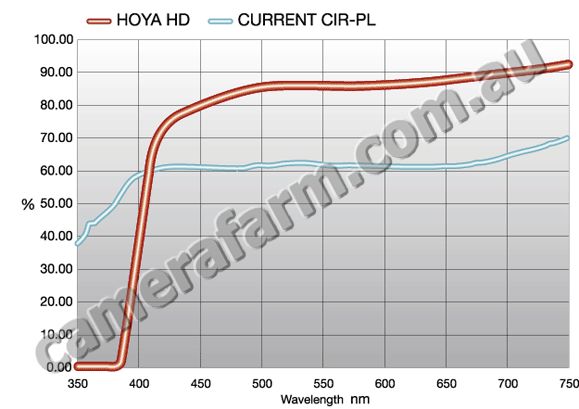
WATERPROOF / SCRATCH & STAIN RESISTANT MULTI-COATING
Specialized coatings that are not just water-proof to repel water spots but also hardened to be scratch and stain resistant. Of course these coatings are from HOYA so they are greatly reduce reflections off the surface of the glass allowing you to capture more light in your photos.
|
|
|
|
02/10
|
Hoya Circular Polarising HD Series Filter - 77mm Hoya Circular Polarising HD Series Filter - 77mm
HARDENED GLASSHardened optical glass that has 4 times the breaking strength in ANSI standardized testing (ANSI Z80.3 : 2001) where a steel balls of varying size and weight were dropped from a height of 50 inches onto the glass.
HIGH TRANSPARENCY POLARIZING FILM
The polarizing film is the same as that used in the latest high
definition LCD TV screens. It has 25% higher light transmission than standard polarizing film used in current photographic filters.
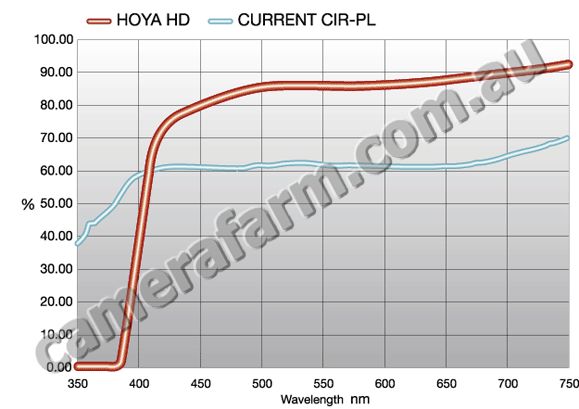
WATERPROOF / SCRATCH & STAIN RESISTANT MULTI-COATING
Specialized coatings that are not just water-proof to repel water spots but also hardened to be scratch and stain resistant. Of course these coatings are from HOYA so they are greatly reduce reflections off the surface of the glass allowing you to capture more light in your photos.
|
|
|
|
02/10
|
Hoya Circular Polarising HD Series Filter - 72mm Hoya Circular Polarising HD Series Filter - 72mm
HARDENED GLASSHardened optical glass that has 4 times the breaking strength in ANSI standardized testing (ANSI Z80.3 : 2001) where a steel balls of varying size and weight were dropped from a height of 50 inches onto the glass.
HIGH TRANSPARENCY POLARIZING FILM
The polarizing film is the same as that used in the latest high
definition LCD TV screens. It has 25% higher light transmission than standard polarizing film used in current photographic filters.
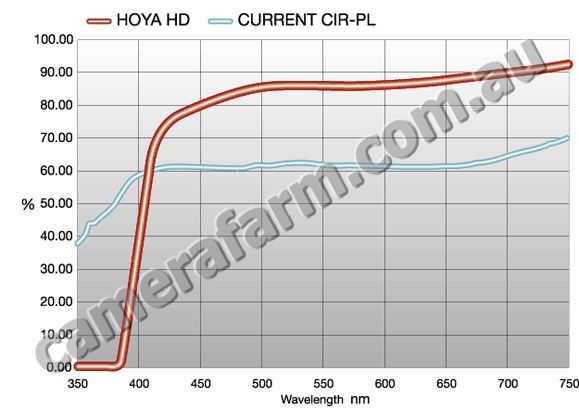
WATERPROOF / SCRATCH & STAIN RESISTANT MULTI-COATING
Specialized coatings that are not just water-proof to repel water spots but also hardened to be scratch and stain resistant. Of course these coatings are from HOYA so they are greatly reduce reflections off the surface of the glass allowing you to capture more light in your photos.
|
|
|
|
02/10
|
Hoya Circular Polarising HD Series Filter - 67mm Hoya Circular Polarising HD Series Filter - 67mm
HARDENED GLASSHardened optical glass that has 4 times the breaking strength in ANSI standardized testing (ANSI Z80.3 : 2001) where a steel balls of varying size and weight were dropped from a height of 50 inches onto the glass.
HIGH TRANSPARENCY POLARIZING FILM
The polarizing film is the same as that used in the latest high
definition LCD TV screens. It has 25% higher light transmission than standard polarizing film used in current photographic filters.
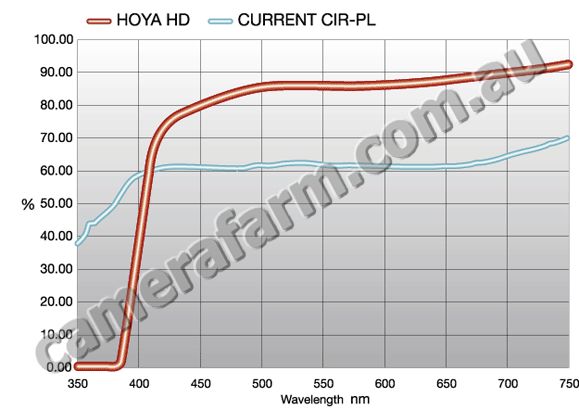
WATERPROOF / SCRATCH & STAIN RESISTANT MULTI-COATING
Specialized coatings that are not just water-proof to repel water spots but also hardened to be scratch and stain resistant. Of course these coatings are from HOYA so they are greatly reduce reflections off the surface of the glass allowing you to capture more light in your photos.
|
|
|
|
02/10
|
Hoya Circular Polarising HD Series Filter - 62mm Hoya Circular Polarising HD Series Filter - 62mm
HARDENED GLASS
Hardened optical glass that has 4 times the breaking strength in ANSI standardized testing (ANSI Z80.3 : 2001) where a steel balls of varying size and weight were dropped from a height of 50 inches onto the glass.
HIGH TRANSPARENCY POLARIZING FILM
The polarizing film is the same as that used in the latest high definition LCD TV screens. It has 25% higher light transmission than standard polarizing film used in current photographic filters. 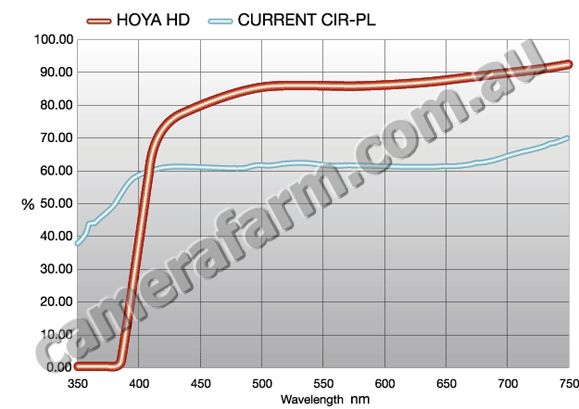 WATERPROOF / SCRATCH & STAIN RESISTANT MULTI-COATING
Specialized coatings that are not just water-proof to repel water spots but also hardened to be scratch and stain resistant. Of course these coatings are from HOYA so they are greatly reduce reflections off the surface of the glass allowing you to capture more light in your photos.
|
|
|
|
02/10
|
Hoya Circular Polarising HD Series Filter - 58mm Hoya Circular Polarising HD Series Filter - 58mm
HARDENED GLASS
Hardened optical glass that has 4 times the breaking strength in ANSI standardized testing (ANSI Z80.3 : 2001) where a steel balls of varying size and weight were dropped from a height of 50 inches onto the glass.
HIGH TRANSPARENCY POLARIZING FILM
The polarizing film is the same as that used in the latest high definition LCD TV screens. It has 25% higher light transmission than standard polarizing film used in current photographic filters. 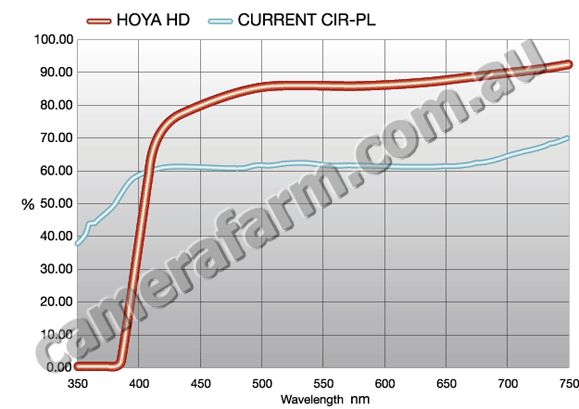 WATERPROOF / SCRATCH & STAIN RESISTANT MULTI-COATING
Specialized coatings that are not just water-proof to repel water spots but also hardened to be scratch and stain resistant. Of course these coatings are from HOYA so they are greatly reduce reflections off the surface of the glass allowing you to capture more light in your photos.
|
|
|
|
02/10
|
Hoya Circular Polarising HD Series Filter - 55mm Hoya Circular Polarising HD Series Filter - 55mm
HARDENED GLASS
Hardened optical glass that has 4 times the breaking strength in ANSI standardized testing (ANSI Z80.3 : 2001) where a steel balls of varying size and weight were dropped from a height of 50 inches onto the glass.
HIGH TRANSPARENCY POLARIZING FILM
The polarizing film is the same as that used in the latest high definition LCD TV screens. It has 25% higher light transmission than standard polarizing film used in current photographic filters. 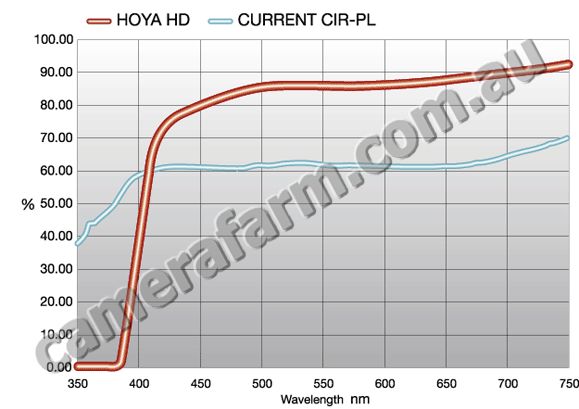 WATERPROOF / SCRATCH & STAIN RESISTANT MULTI-COATING
Specialized coatings that are not just water-proof to repel water spots but also hardened to be scratch and stain resistant. Of course these coatings are from HOYA so they are greatly reduce reflections off the surface of the glass allowing you to capture more light in your photos.
|
|
|
|
02/10
|
Hoya Circular Polarising HD Series Filter - 52mm Hoya Circular Polarising HD Series Filter - 52mm
HARDENED GLASS
Hardened optical glass that has 4 times the breaking strength in ANSI standardized testing (ANSI Z80.3 : 2001) where a steel balls of varying size and weight were dropped from a height of 50 inches onto the glass.
HIGH TRANSPARENCY POLARIZING FILM
The polarizing film is the same as that used in the latest high definition LCD TV screens. It has 25% higher light transmission than standard polarizing film used in current photographic filters. 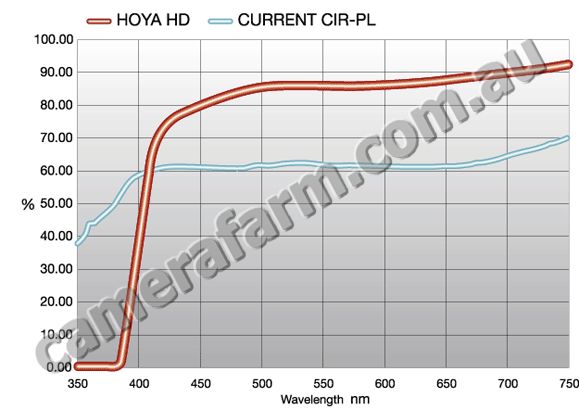 WATERPROOF / SCRATCH & STAIN RESISTANT MULTI-COATING
Specialized coatings that are not just water-proof to repel water spots but also hardened to be scratch and stain resistant. Of course these coatings are from HOYA so they are greatly reduce reflections off the surface of the glass allowing you to capture more light in your photos.
|
|
|
|
02/10
|
Hoya Circular Polarising HMC Filter - 82mm Hoya Circular Polarising HMC Filter - 82mm
These popular filters are renowned for their ability to minimise reflection at the filter surfaces which reduces flare and ghosting. The result is an average light transmission of over 97%, giving sharp contrast and well balanced color. HOYA HMC filters are recommended for enhancing the performance of today's multicoated lenses.
|
|
|
|
02/10
|
Hoya Colour Conversion Filter 82B - 40.5mm
These are light balancing filters used to increase the color temperature slightly for a cooler (bluer) tone.
Corrects the tendency toward reddish tones. For example, select the 82B when using tungsten Type B color film (3200K) with ordinary household 100W electric bulbs (2900K). These series filters are also used to prevent the reddish tones in early morning or late evening light for natural skin tones. These filters can be used together, but do not mix 81 and 82 series filters since they cancel out each other. |
|
|
|
|
02/10
|
Hoya Circular Polarising HMC Filter - 77mm Hoya Circular Polarising HMC Filter - 77mm
These popular filters are renowned for their ability to minimise reflection at the filter surfaces which reduces flare and ghosting. The result is an average light transmission of over 97%, giving sharp contrast and well balanced color. HOYA HMC filters are recommended for enhancing the performance of today's multicoated lenses.
|
|
|
|
02/10
|
Hoya Circular Polarising HMC Filter - 72mm Hoya Circular Polarising HMC Filter - 72mm
These popular filters are renowned for their ability to minimise reflection at the filter surfaces which reduces flare and ghosting. The result is an average light transmission of over 97%, giving sharp contrast and well balanced color. HOYA HMC filters are recommended for enhancing the performance of today's multicoated lenses.
|
|
|
|
02/10
|
Hoya Circular Polarising HMC Filter - 67mm Hoya Circular Polarising HMC Filter - 67mm
These popular filters are renowned for their ability to minimise reflection at the filter surfaces which reduces flare and ghosting. The result is an average light transmission of over 97%, giving sharp contrast and well balanced color. HOYA HMC filters are recommended for enhancing the performance of today's multicoated lenses.
|
|
|
|
02/10
|
Hoya Circular Polarising HMC Filter - 62mm Hoya Circular Polarising HMC Filter - 62mm
These popular filters are renowned for their ability to minimise reflection at the filter surfaces which reduces flare and ghosting. The result is an average light transmission of over 97%, giving sharp contrast and well balanced color. HOYA HMC filters are recommended for enhancing the performance of today's multicoated lenses.
|
|
|
|
02/10
|
Hoya Colour Conversion Filter 82B - 35.5mm
These are light balancing filters used to increase the color temperature slightly for a cooler (bluer) tone.
Corrects the tendency toward reddish tones. For example, select the 82B when using tungsten Type B color film (3200K) with ordinary household 100W electric bulbs (2900K). These series filters are also used to prevent the reddish tones in early morning or late evening light for natural skin tones. These filters can be used together, but do not mix 81 and 82 series filters since they cancel out each other. |
|
|
|
|
02/10
|
Hoya Circular Polarising HMC Filter - 58mm Hoya Circular Polarising HMC Filter - 58mm
These popular filters are renowned for their ability to minimise reflection at the filter surfaces which reduces flare and ghosting. The result is an average light transmission of over 97%, giving sharp contrast and well balanced color. HOYA HMC filters are recommended for enhancing the performance of today's multicoated lenses.
|
|
|
|
02/10
|
Hoya Circular Polarising HMC Filter - 55mm Hoya Circular Polarising HMC Filter - 55mm
These popular filters are renowned for their ability to minimise reflection at the filter surfaces which reduces flare and ghosting. The result is an average light transmission of over 97%, giving sharp contrast and well balanced color. HOYA HMC filters are recommended for enhancing the performance of today's multicoated lenses.
|
|
|
|
02/10
|
Hoya Circular Polarising HMC Filter - 52mm Hoya Circular Polarising HMC Filter - 52mm
These popular filters are renowned for their ability to minimise reflection at the filter surfaces which reduces flare and ghosting. The result is an average light transmission of over 97%, giving sharp contrast and well balanced color. HOYA HMC filters are recommended for enhancing the performance of today's multicoated lenses.
|
|
|
|
02/10
|
Hoya Circular Polarising HMC Filter - 49mm Hoya Circular Polarising HMC Filter - 49mm
These popular filters are renowned for their ability to minimise reflection at the filter surfaces which reduces flare and ghosting. The result is an average light transmission of over 97%, giving sharp contrast and well balanced color. HOYA HMC filters are recommended for enhancing the performance of today's multicoated lenses.
|
|
|
|
02/10
|
Hoya Circular Polarising HMC Filter - 46mm Hoya Circular Polarising HMC Filter - 46mm
These popular filters are renowned for their ability to minimise reflection at the filter surfaces which reduces flare and ghosting. The result is an average light transmission of over 97%, giving sharp contrast and well balanced color. HOYA HMC filters are recommended for enhancing the performance of today's multicoated lenses.
|
|
|
|
02/10
|
Hoya Circular Polarising HMC (Video) Filter - 37mm Hoya Circular Polarising HMC (Video) Filter - 37mm
These popular filters are renowned for their ability to minimise reflection at the filter surfaces which reduces flare and ghosting. The result is an average light transmission of over 97%, giving sharp contrast and well balanced color. HOYA HMC filters are recommended for enhancing the performance of today's multicoated lenses.
|
|
|
|
02/10
|
Hoya Circular Polarising HMC (Video) Filter - 27mm Hoya Circular Polarising HMC (Video) Filter - 27mm
These popular filters are renowned for their ability to minimise reflection at the filter surfaces which reduces flare and ghosting. The result is an average light transmission of over 97%, giving sharp contrast and well balanced color. HOYA HMC filters are recommended for enhancing the performance of today's multicoated lenses.
|
|
|
|
02/10
|
Hoya Circular Polarising G Series Filter - 77mm Hoya Circular Polarising G Series Filter - 77mm
They allow you to remove unwanted reflections from non-metallic surfaces such as water, glass etc. They also enable colors to become more saturated and appear clearer, with better contrast. This effect is often used to increase the contrast and saturation in blue skies and white clouds. HOYA's polarising filters do not affect the overall color balance of a shot.
|
|
|
|
02/10
|
Hoya Circular Polarising G Series Filter 1/10 - 72mm Hoya Circular Polarising G Series Filter 1/10 - 72mm
They allow you to remove unwanted reflections from non-metallic surfaces such as water, glass etc. They also enable colors to become more saturated and appear clearer, with better contrast. This effect is often used to increase the contrast and saturation in blue skies and white clouds. HOYA's polarising filters do not affect the overall color balance of a shot.
|
|
|
|
02/10
|
Hoya Circular Polarising G Series Filter - 67mm Hoya Circular Polarising G Series Filter - 67mm
They allow you to remove unwanted reflections from non-metallic surfaces such as water, glass etc. They also enable colors to become more saturated and appear clearer, with better contrast. This effect is often used to increase the contrast and saturation in blue skies and white clouds. HOYA's polarising filters do not affect the overall color balance of a shot.
|
|
|
|
02/10
|
Hoya Circular Polarising G Series Filter - 62mm Hoya Circular Polarising G Series Filter - 62mm
They allow you to remove unwanted reflections from non-metallic surfaces such as water, glass etc. They also enable colors to become more saturated and appear clearer, with better contrast. This effect is often used to increase the contrast and saturation in blue skies and white clouds. HOYA's polarising filters do not affect the overall color balance of a shot.
|
|
|
|
02/10
|
Hoya Circular Polarising G Series Filter - 58mm Hoya Circular Polarising G Series Filter - 58mm
They allow you to remove unwanted reflections from non-metallic surfaces such as water, glass etc. They also enable colors to become more saturated and appear clearer, with better contrast. This effect is often used to increase the contrast and saturation in blue skies and white clouds. HOYA's polarising filters do not affect the overall color balance of a shot.
|
|
|
|
02/10
|
Hoya Circular Polarising G Series Filter - 55mm Hoya Circular Polarising G Series Filter - 55mm
They allow you to remove unwanted reflections from non-metallic surfaces such as water, glass etc. They also enable colors to become more saturated and appear clearer, with better contrast. This effect is often used to increase the contrast and saturation in blue skies and white clouds. HOYA's polarising filters do not affect the overall color balance of a shot.
|
|
|
|
02/10
|
Hoya Circular Polarising G Series Filter - 52mm Hoya Circular Polarising G Series Filter - 52mm
They allow you to remove unwanted reflections from non-metallic surfaces such as water, glass etc. They also enable colors to become more saturated and appear clearer, with better contrast. This effect is often used to increase the contrast and saturation in blue skies and white clouds. HOYA's polarising filters do not affect the overall color balance of a shot.
|
|
|
|
02/10
|
Hoya Circular Polarising G Series 1/10 Filter - 49mm Hoya Circular Polarising G Series 1/10 Filter - 49mm
They allow you to remove unwanted reflections from non-metallic surfaces such as water, glass etc. They also enable colors to become more saturated and appear clearer, with better contrast. This effect is often used to increase the contrast and saturation in blue skies and white clouds. HOYA's polarising filters do not affect the overall color balance of a shot.
|
|
|
|
02/10
|
Hoya Circular Polarising G Series 1/10 Filter - 46mm Hoya Circular Polarising G Series 1/10 Filter - 46mm
They allow you to remove unwanted reflections from non-metallic surfaces such as water, glass etc. They also enable colors to become more saturated and appear clearer, with better contrast. This effect is often used to increase the contrast and saturation in blue skies and white clouds. HOYA's polarising filters do not affect the overall color balance of a shot.
|
|
|
|
02/10
|
Hoya Circular Polarising G Series Video Filter - 37mm Hoya Circular Polarising G Series Video Filter - 37mm
They allow you to remove unwanted reflections from non-metallic surfaces such as water, glass etc. They also enable colors to become more saturated and appear clearer, with better contrast. This effect is often used to increase the contrast and saturation in blue skies and white clouds. HOYA's polarising filters do not affect the overall color balance of a shot.
|
|
|
|
02/10
|
Hoya Circular Polarising Digital S Filter 1/10 - 30.5mm Hoya Circular Polarising Digital S Filter 1/10 - 30.5mm
Light rays which are reflected by any surface become polarised and polarising filters are used to select which light rays enter your camara lens. PL (Linear Polarising) and PL-CIR (Circular Polarising) filters have the same effect, but it is important that you choose the correct version for your camera. They allow you to remove unwanted reflections from non-metallic surfaces such as water, glass etc. They also enable colors to become more saturated and appear clearer, with better contrast. This effect is often used to increase the contrast and saturation in blue skies and white clouds. HOYA's polarising filters do not affect the overall color balance of a shot.
|
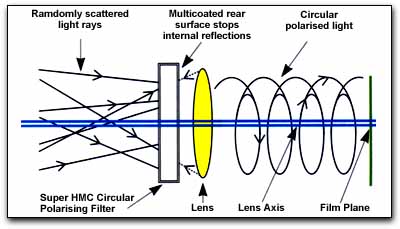
How to select the correct Polarising filter:
Many of today's cameras use semi-silvered mirrors or prisms to split the light entering the viewfinder in order to calculate exposure and focusing distance. PL (Linear Polarising) filters can sometimes interact with these items to give unpredictable exposure or focusing. So we recommend that you choose a PL-CIR filter unless you have a manual focus camera which has no beam splitter.
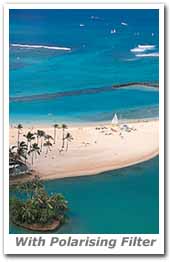 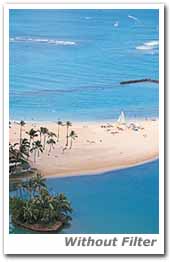
|
|
|
|
02/10
|
Hoya Circular Polarising Digital B Filter - 30mm Hoya Circular Polarising Digital B Filter - 30mm
Light rays which are reflected by any surface become polarised and polarising filters are used to select which light rays enter your camara lens. PL (Linear Polarising) and PL-CIR (Circular Polarising) filters have the same effect, but it is important that you choose the correct version for your camera. They allow you to remove unwanted reflections from non-metallic surfaces such as water, glass etc. They also enable colors to become more saturated and appear clearer, with better contrast. This effect is often used to increase the contrast and saturation in blue skies and white clouds. HOYA's polarising filters do not affect the overall color balance of a shot.
|
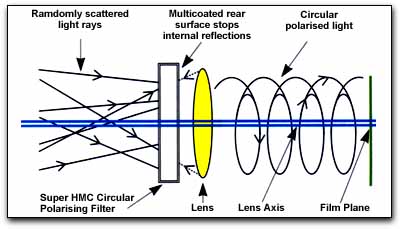
How to select the correct Polarising filter:
Many of today's cameras use semi-silvered mirrors or prisms to split the light entering the viewfinder in order to calculate exposure and focusing distance. PL (Linear Polarising) filters can sometimes interact with these items to give unpredictable exposure or focusing. So we recommend that you choose a PL-CIR filter unless you have a manual focus camera which has no beam splitter.
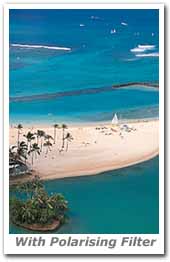 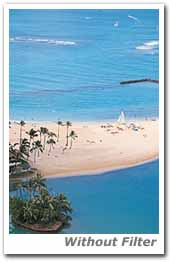
|
|
|
|
02/10
|
Hoya Circular Polarising Digital B Filter - 28mm Hoya Circular Polarising Digital B Filter - 28mm
Light rays which are reflected by any surface become polarised and polarising filters are used to select which light rays enter your camara lens. PL (Linear Polarising) and PL-CIR (Circular Polarising) filters have the same effect, but it is important that you choose the correct version for your camera. They allow you to remove unwanted reflections from non-metallic surfaces such as water, glass etc. They also enable colors to become more saturated and appear clearer, with better contrast. This effect is often used to increase the contrast and saturation in blue skies and white clouds. HOYA's polarising filters do not affect the overall color balance of a shot.
|
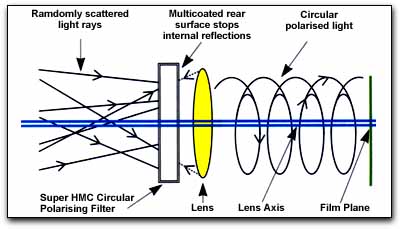
How to select the correct Polarising filter:
Many of today's cameras use semi-silvered mirrors or prisms to split the light entering the viewfinder in order to calculate exposure and focusing distance. PL (Linear Polarising) filters can sometimes interact with these items to give unpredictable exposure or focusing. So we recommend that you choose a PL-CIR filter unless you have a manual focus camera which has no beam splitter.
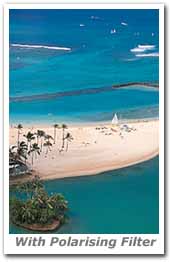 
|
|
|
|
02/10
|
Hoya Circular Polarising (Video) Filter - 27mm Hoya Circular Polarising (Video) Filter - 27mm
Light rays which are reflected by any surface become polarised and polarising filters are used to select which light rays enter your camara lens. PL (Linear Polarising) and PL-CIR (Circular Polarising) filters have the same effect, but it is important that you choose the correct version for your camera. They allow you to remove unwanted reflections from non-metallic surfaces such as water, glass etc. They also enable colors to become more saturated and appear clearer, with better contrast. This effect is often used to increase the contrast and saturation in blue skies and white clouds. HOYA's polarising filters do not affect the overall color balance of a shot.
|
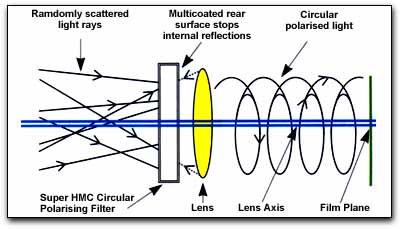
How to select the correct Polarising filter:
Many of today's cameras use semi-silvered mirrors or prisms to split the light entering the viewfinder in order to calculate exposure and focusing distance. PL (Linear Polarising) filters can sometimes interact with these items to give unpredictable exposure or focusing. So we recommend that you choose a PL-CIR filter unless you have a manual focus camera which has no beam splitter.
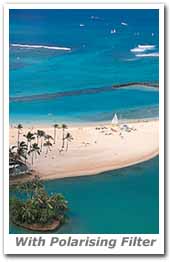 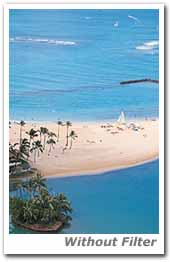
|
|
|
|
Previous Page
|
Next Page
|
|


